
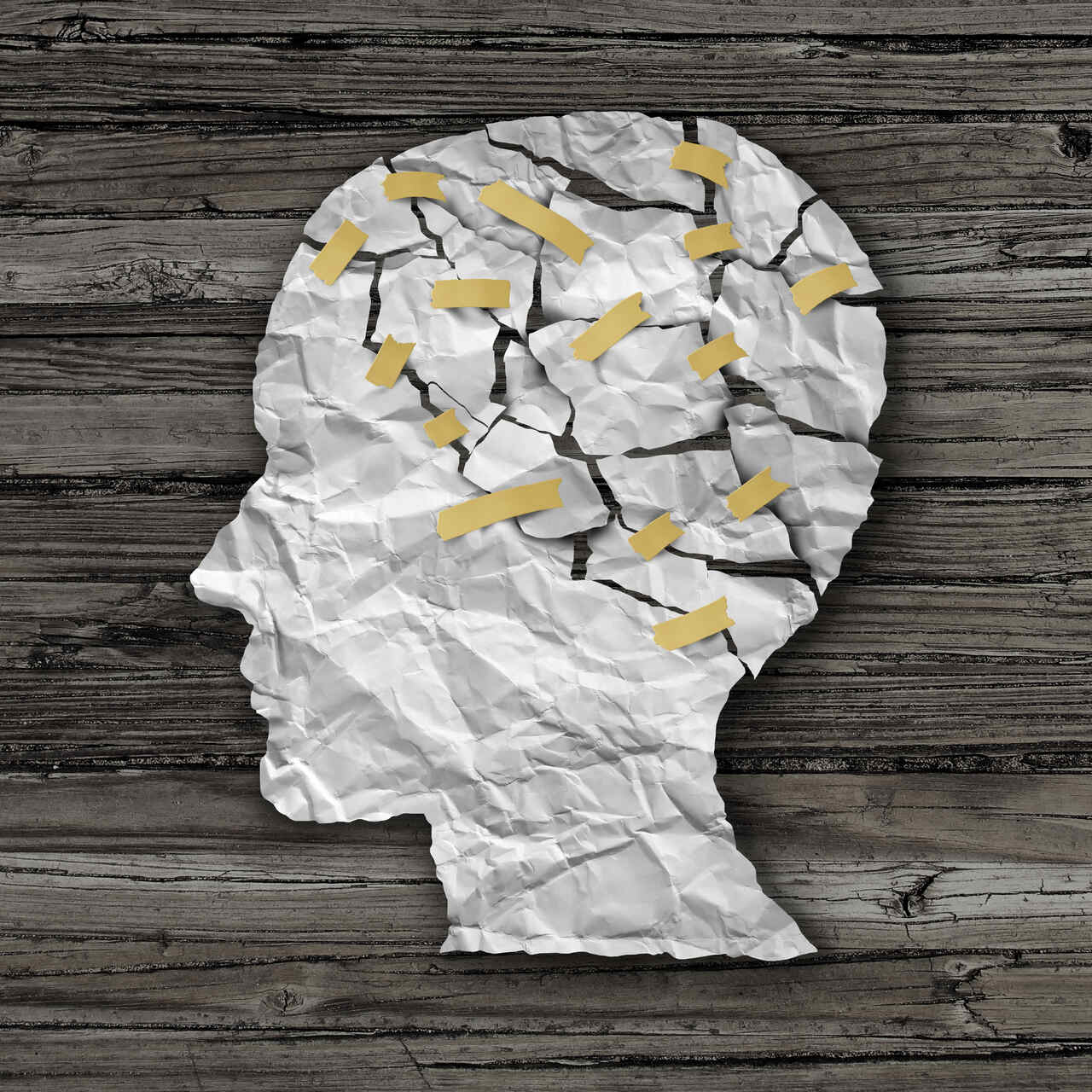
Breaking the Silence: Understanding Trauma and PTSD Counseling
Understanding Trauma and PTSD
Understanding trauma and Post-Traumatic Stress Disorder (PTSD) is the first step toward seeking effective trauma and PTSD counseling. Our aim is to provide clarity on these complex conditions.
Defining Trauma and PTSD
Trauma refers to a deeply distressing or disturbing event that overwhelms an individual’s ability to cope. It can result from various experiences, such as physical assault, natural disasters, or witnessing violence. These events have a profound impact on mental and emotional well-being.
PTSD is a mental health condition triggered by witnessing or experiencing a traumatic event. It is characterized by recurring, intense distress and anxiety related to the event, even long after it has occurred. PTSD may include flashbacks, nightmares, and severe anxiety. For more insights on trauma definitions and its impacts, you might find anxiety counseling useful.
How Trauma and PTSD Impact Daily Life
Trauma and PTSD can significantly interfere with daily activities and overall quality of life. Individuals may struggle with maintaining relationships, holding a job, or engaging in social interactions. The effects of trauma and PTSD can be profound and far-reaching.
| Impact Area | Effects of Trauma and PTSD |
|---|---|
| Emotional | Hyperarousal, mood swings, depression |
| Cognitive | Difficulty concentrating, memory issues, intrusive thoughts |
| Physical | Fatigue, headaches, sleep disturbances |
| Social | Withdrawal, conflict in relationships, isolation |
The long-term implications include difficulty managing stress and maintaining personal and professional relationships. Learning about stress management techniques can help mitigate these impacts.
Signs and Symptoms to Look Out For
Recognizing the signs and symptoms of trauma and PTSD is essential for seeking timely intervention. Symptoms may vary from person to person, but common indicators include:
- Intrusive Memories: Recurrent, distressing memories of the traumatic event, flashbacks, and nightmares.
- Avoidance: Avoiding places, people, and activities that remind the individual of the trauma.
- Negative Changes in Thoughts and Mood: Pervasive negative thoughts about oneself and others, feeling detached, and losing interest in activities.
- Changes in Physical and Emotional Reactions: Being easily startled, feeling tense or on edge, and having difficulty sleeping.
| Symptom Type | Description |
|---|---|
| Intrusion | Flashbacks, distressing memories |
| Avoidance | Avoiding reminders of the trauma |
| Cognition and Mood | Negative beliefs, emotional numbness |
| Arousal and Reactivity | Insomnia, irritability, hypervigilance |
Understanding these symptom patterns can help guide individuals toward seeking effective treatment options like cognitive behavioral therapy or other counseling methodologies.
Recognizing and interpreting these signs can lead to early intervention and better management of trauma and PTSD, setting the foundation for recovery through appropriate counseling and therapy.
Seeking Counseling Help
Trauma and PTSD counseling can play a crucial role in helping individuals manage and overcome their experiences. We will explore the importance of counseling for trauma and PTSD and the various approaches used in trauma therapy.
The Importance of Counseling for Trauma and PTSD
Counseling is vital for addressing the complex emotional and psychological impacts of trauma and PTSD. Through therapeutic intervention, individuals can gain insight into their experiences, process their emotions, and develop healthy coping mechanisms.
Key benefits of counseling for trauma and PTSD:
- Provides a safe space to express feelings
- Helps in understanding and managing symptoms
- Assists in rebuilding trust and safety
- Develops effective coping strategies
By seeking professional help, individuals can improve their quality of life and find a path to recovery. For more information on specific counseling techniques, see our article on cognitive behavioral therapy.
Different Approaches to Trauma Counseling
There are several therapeutic approaches to trauma and PTSD counseling, each offering unique methods for helping individuals heal. Understanding these approaches can aid in selecting the most suitable method for one’s needs.
1. Cognitive Behavioral Therapy (CBT): CBT focuses on identifying and changing negative thought patterns and behaviors. It helps individuals break free from the cycle of trauma-related thoughts and develop healthier mental frameworks. Learn more about CBT in our cognitive behavioral therapy article.
| CBT Techniques | Description |
|---|---|
| Cognitive Restructuring | Changing negative thinking patterns |
| Exposure Therapy | Gradually facing traumatic memories |
2. Eye Movement Desensitization and Reprocessing (EMDR): EMDR involves guided eye movements to help individuals process and integrate traumatic memories. This approach can be effective in reducing the emotional intensity of traumatic experiences.
| EMDR Phases | Description |
|---|---|
| History Taking | Collecting detailed trauma history |
| Desensitization | Processing trauma through eye movements |
3. Psychodynamic Therapy: This approach focuses on uncovering unconscious processes and understanding how past experiences influence current behavior. It aims to resolve deep-seated emotional conflicts.
| Psychodynamic Techniques | Description |
|---|---|
| Free Association | Sharing thoughts freely |
| Dream Analysis | Interpreting dreams for insight |
4. Dialectical Behavior Therapy (DBT): DBT combines cognitive-behavioral techniques with mindfulness practices. It is effective for individuals who require skills in emotional regulation and distress tolerance.
| DBT Techniques | Description |
|---|---|
| Mindfulness | Being present in the moment |
| Interpersonal Effectiveness | Improving relationship skills |
These approaches can be customized to meet the individual needs of those seeking treatment. For additional support and therapeutic options, consider our resources on anxiety counseling and depression therapy.
Choosing the right counseling method can significantly impact the healing journey. Understanding these varied approaches allows us to make informed decisions about our mental health and well-being.
What to Expect in Trauma Counseling
Understanding what to expect in trauma counseling can help individuals feel more comfortable and prepared to begin their journey towards healing. This section explores the key components of trauma counseling: establishing trust and safety, processing trauma, and building coping strategies.
Establishing Trust and Safety
The initial phase of trauma counseling focuses on creating a safe and trusting environment. A strong therapeutic relationship is crucial for effective counseling. We need to feel secure and supported to openly share our experiences. Counselors often encourage us to discuss our comfort levels and any concerns, ensuring a foundation of trust.
Processing Trauma
Processing trauma involves working through the traumatic experiences in a structured and supportive manner. This step can be challenging but is essential for healing. Different therapeutic approaches, such as cognitive behavioral therapy, can be used to help us process and understand our trauma. By gradually confronting and discussing our experiences, we can start to reduce the distress they cause.
| Therapy Approach | Description |
|---|---|
| Cognitive Behavioral Therapy (CBT) | Helps in identifying and changing negative thought patterns |
| Eye Movement Desensitization and Reprocessing (EMDR) | Uses guided eye movements to process and integrate trauma |
| Prolonged Exposure Therapy (PE) | Involves repeated and detailed reliving of traumatic events |
Building Coping Strategies
Building effective coping strategies is a critical aspect of trauma counseling. These strategies enable us to manage stress, anxiety, and other symptoms associated with trauma and PTSD. Some common techniques include:
- Mindfulness and Grounding Techniques: Helps focus on the present moment, reducing feelings of being overwhelmed.
- Relaxation Exercises: Techniques such as deep breathing and progressive muscle relaxation.
- Cognitive Restructuring: Identifying and challenging distorted thoughts related to trauma.
For more information on managing anxiety and stress, refer to our articles on anxiety counseling and stress management techniques. Additionally, practicing mindfulness can be explored further in our section on practicing mindfulness and grounding techniques.
Throughout the counseling process, your therapist will continuously support and guide you, helping you integrate these coping strategies into your daily life. It’s about building resilience and fostering a sense of empowerment on your path to recovery.
Finding the Right Counselor
Choosing the right counselor is a critical step in the journey toward healing from trauma and PTSD. It requires careful consideration of various factors to ensure you receive the best possible care.
Qualities to Look for in a Trauma Counselor
When searching for a counselor skilled in trauma and PTSD, several qualities can make a significant difference in the effectiveness of the treatment. Here are some essential attributes to consider:
- Experience and Expertise: They should have specialized training and extensive experience in treating trauma and PTSD.
- Empathy and Compassion: The ability to understand and empathize with your experiences while providing a non-judgmental space.
- Trustworthiness: It’s vital that you feel you can trust them with your story and emotions.
- Communication Skills: They should clearly explain the treatment process and listen actively to your concerns.
- Patience and Supportiveness: They must be patient, giving you the time you need to heal at your own pace.
- Cultural Sensitivity: An awareness and respect for your cultural background and personal values.
Questions to Ask When Choosing a Counselor
It’s important to ask insightful questions to assess if a counselor is the right fit for your needs. Here are some questions that can guide you in making an informed decision:
| Question | Purpose |
|---|---|
| What is your experience in treating trauma and PTSD? | To gauge their expertise and familiarity with trauma-specific treatments. |
| What approaches do you use for trauma counseling? | To understand the methods and techniques they employ. |
| How do you establish trust and safety with your clients? | To learn about their methods in creating a safe and supportive environment. |
| Can you explain your process for processing trauma? | To get insights into how they handle the core aspects of trauma therapy. |
| How do you involve clients in building coping strategies? | To know their approach to empowering clients with effective coping mechanisms. |
| Are you comfortable handling cultural and personal issues relevant to me? | To ensure they respect and understand your cultural background. |
| What is your availability and session cost? | To confirm logistical details and financial considerations. |
Finding a counselor who meets these criteria is essential for effective trauma and PTSD counseling. For more information on different counseling approaches, you might be interested in reading about cognitive behavioral therapy and anxiety counseling.
Establishing a strong therapeutic relationship with a counselor who possesses these qualities can significantly impact the healing process, providing the support and guidance needed to navigate the journey toward recovery.
Self-Care Techniques
Effective self-care is essential for individuals dealing with trauma and PTSD. Understanding how to manage triggers and flashbacks, as well as practicing mindfulness and grounding techniques, can significantly aid in the recovery process.
Managing Triggers and Flashbacks
Triggers and flashbacks are common experiences for those with trauma and PTSD. Managing these episodes requires awareness and strategies to reduce their impact. Let’s explore some methods that can help.
Identify Triggers: Understand what specific situations, people, or environments activate your trauma responses.
Create a Safe Space: Develop a physical or mental space where you feel secure. This can be a room in your home or a mental visualization.
Use Coping Tools: Write in a journal, use sensory items (like stress balls or fidget spinners), or practice deep breathing exercises.
Practicing Mindfulness and Grounding Techniques
Mindfulness and grounding techniques can help anchor you in the present moment, reducing anxiety and panic associated with trauma and PTSD.
Deep Breathing: Focus on inhaling deeply through your nose and exhaling through your mouth. Count to four on each inhale and exhale.
5-4-3-2-1 Technique: Identify five things you can see, four things you can touch, three things you can hear, two things you can smell, and one thing you can taste.
Body Scan: Mentally scan your body from head to toe, paying attention to any areas of tension or discomfort.
By incorporating these self-care techniques into our daily routines, we can better manage the challenges that come with trauma and PTSD. In conjunction with professional trauma and PTSD counseling, these practices can support our journey towards healing. For more information on various therapeutic methods, explore our resources on cognitive behavioral therapy and anxiety counseling.
| Technique | Description | Steps |
|---|---|---|
| Deep Breathing | Focus on breath to calm the mind | Inhale for 4 counts, exhale for 4 counts |
| 5-4-3-2-1 Technique | Engage senses to ground yourself | List 5 things you see, 4 things you can touch, 3 things you hear, 2 things you smell, 1 thing you taste |
| Body Scan | Increase awareness of physical sensations | Mentally scan from head to toe, noting areas of tension |
Employing these strategies can create a foundation of stability and promote long-term recovery. Additionally, considering services like grief counseling or family therapy can provide further support in navigating trauma.
For those unable to access in-person services, exploring online counseling options may provide the necessary resources to continue their healing journey.
Moving Forward in Healing
Setting Realistic Goals
In trauma and PTSD counseling, setting realistic goals is fundamental for progress. We need to establish attainable, specific objectives that guide our therapeutic journey. Goals should be SMART: Specific, Measurable, Achievable, Relevant, and Time-bound. This framework ensures that we can track our progress and make necessary adjustments.
| Goal Type | Example |
|---|---|
| Specific | Improve sleep quality to reduce nightmares by practicing a bedtime routine. |
| Measurable | Reduce panic attacks from 5 times a week to 1-2 times a week within 3 months. |
| Achievable | Attend counseling sessions once a week for six months. |
| Relevant | Focus on developing coping strategies for managing anxiety. |
| Time-bound | Achieve better emotional regulation within six months. |
We need to regularly review and adjust our goals with our counselors to ensure they remain relevant to our progress. For additional guidance on setting therapeutic goals, explore our detailed article on cognitive behavioral therapy.
Building Resilience for Long-Term Recovery
Building resilience is vital for long-term recovery from trauma and PTSD. Resilience involves developing the skills and mindset needed to cope with and adapt to stress and adversity. Here are some strategies we can implement to build resilience:
- Practicing Self-Care: Regularly engage in activities that promote physical and emotional well-being, such as exercise, healthy eating, and adequate sleep. Discover more self-care techniques in our article on stress management techniques.
- Seeking Support: Foster healthy relationships and seek support from friends, family, or support groups. Consider family therapy or couples counseling to strengthen family bonds and improve communication.
- Mindfulness and Grounding: Integrate mindfulness and grounding exercises into our daily routine to stay present and manage adverse reactions. Learn more about mindfulness practices in our article on anxiety counseling.
- Setting Boundaries: Establish and maintain healthy boundaries to protect ourselves from further trauma and stress.
- Skill Development: Enhance our problem-solving and coping skills to better handle future challenges. Explore techniques in our depression therapy article.
By focusing on these strategies, we can enhance our resilience, which is essential for maintaining long-term recovery and well-being after trauma.
BY: Laura Schneider
Psychology Cluster
COMMENTS: No Comments