
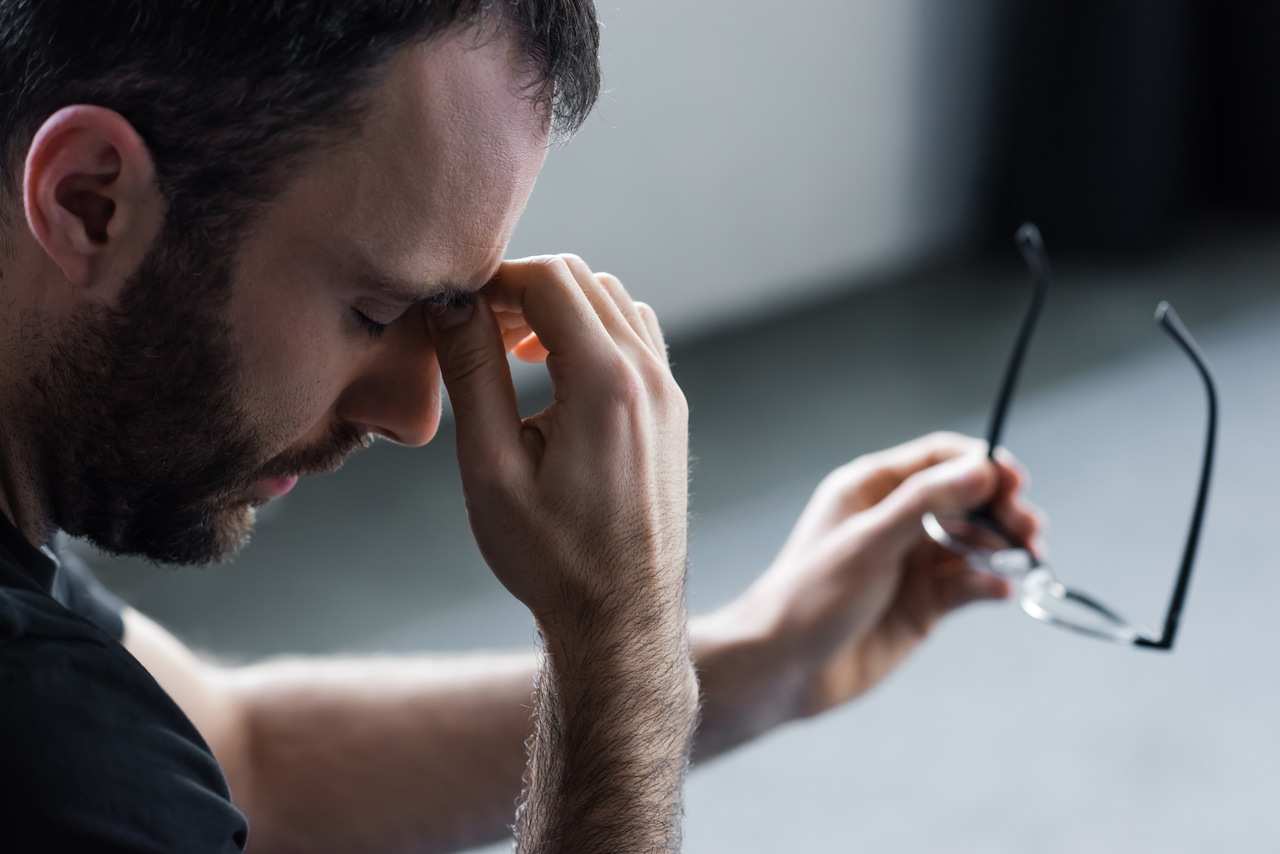
Your Path to Serenity: Specialized Anxiety Counseling Programs
Understanding Anxiety Counseling
Importance of Seeking Professional Help
Anxiety disorders are among the most common mental health issues, affecting millions of people globally. Recognizing the importance of seeking professional help is the first step on the path to healing. Anxiety counseling offers targeted support, helping individuals understand and manage their anxiety effectively.
Professional counselors have specialized training to diagnose and treat various anxiety disorders. By working with a counselor, we can develop coping strategies tailored to our specific needs. This professional guidance can make a significant difference in managing symptoms and improving our overall quality of life.
Therapy provides a safe space to express concerns and fears. It allows us to explore the root causes of our anxiety in a judgment-free environment. Engaging in therapy early can prevent the escalation of symptoms and mitigate the impact on daily activities.
Benefits of Anxiety Counseling
The benefits of anxiety counseling extend beyond symptom relief. Effective therapy can lead to a more balanced and fulfilling life. Here are some of the key benefits:
| Benefit | Description |
|---|---|
| Symptom Management | Learning techniques to manage and reduce anxiety symptoms. |
| Improved Coping Skills | Developing healthier coping mechanisms to handle stress. |
| Enhanced Self-Awareness | Gaining a deeper understanding of triggers and how to address them. |
| Better Relationships | Improving communication and interpersonal relationships. |
| Increased Resilience | Building mental resilience to navigate life’s challenges. |
Symptom Management: Anxiety counseling can help us learn specific techniques to manage and reduce anxiety symptoms, such as breathing exercises and cognitive reframing.
Improved Coping Skills: Therapy equips us with healthier coping mechanisms to handle stress and anxiety, replacing maladaptive behaviors.
Enhanced Self-Awareness: Counseling sessions foster a greater understanding of our anxiety triggers, helping us to develop personalized strategies to address them.
Better Relationships: Anxiety can strain relationships. Counseling can improve our communication skills, leading to stronger connections with friends and family. For support in this area, consider exploring options like couples counseling or family therapy.
Increased Resilience: Through consistent therapy, we build mental resilience, making it easier to navigate future challenges and setbacks.
Anxiety counseling offers a structured approach to tackling anxiety, enhancing our ability to live a more serene and productive life. For those unable to attend in-person sessions, online counseling provides an accessible alternative.
For a deeper dive into specific therapy methods used in anxiety counseling, we can look into our section on cognitive behavioral therapy. Understanding these methods can further our journey toward mental wellness.
Specialized Counseling Programs
In our journey towards serenity, understanding the specific counseling programs tailored for anxiety is crucial. Here, we explore three specialized approaches to anxiety counseling: Cognitive Behavioral Therapy (CBT), Exposure Therapy, and Mindfulness-Based Therapy.
Cognitive Behavioral Therapy (CBT)
Cognitive Behavioral Therapy (CBT) is one of the most effective methods for managing anxiety. This program focuses on identifying and challenging negative thought patterns and beliefs that contribute to anxiety. By restructuring these thoughts, individuals can alter their emotional responses and behaviors.
CBT is grounded in empirical research and is widely recognized by mental health professionals. It involves techniques such as cognitive restructuring, exposure exercises, and skill training to help us manage anxiety effectively. Learn more about CBT in our comprehensive guide on cognitive behavioral therapy.
| Feature | Description |
|---|---|
| Duration | 12-20 weeks |
| Success Rate | 60-80% |
| Techniques | Cognitive restructuring, exposure exercises, skill training |
Exposure Therapy
Exposure Therapy is designed to help individuals confront their fears in a controlled and systematic manner. This program is particularly effective for phobias and generalized anxiety disorders. The goal is to reduce fear and anxiety responses by gradually and repeatedly exposing the person to the anxiety-provoking stimulus without any actual danger.
This method involves several stages, such as graded exposure, imaginal exposure, and in vivo exposure. Each stage is planned and supervised by a certified therapist to ensure progress and safety. For related information, you can read about trauma and ptsd counseling.
| Feature | Description |
|---|---|
| Duration | 8-16 weeks |
| Success Rate | 60-90% |
| Techniques | Graded exposure, imaginal exposure, in vivo exposure |
Mindfulness-Based Therapy
Mindfulness-Based Therapy incorporates mindfulness practices to help individuals stay present and grounded. It combines traditional cognitive behavioral techniques with mindfulness strategies, such as meditation, breathing exercises, and body awareness.
This type of therapy helps us develop a non-judgmental attitude towards our thoughts and feelings, thereby reducing the impact of anxiety. Techniques like Mindfulness-Based Stress Reduction (MBSR) and Mindfulness-Based Cognitive Therapy (MBCT) are often included. For additional stress-relief methods, visit our section on stress management techniques.
| Feature | Description |
|---|---|
| Duration | 8-12 weeks |
| Success Rate | 50-70% |
| Techniques | Meditation, breathing exercises, body awareness |
By understanding these specialized counseling programs, we can find the most suitable approach to manage our anxiety. Each program offers unique methods to help us achieve peace and serenity in our lives.
Choosing the Right Program
Choosing the right anxiety counseling program can be a crucial step in addressing your mental health needs. It involves understanding your specific requirements and the different therapeutic approaches available.
Assessing Your Needs
Before selecting a counseling program, it’s important to assess your individual needs and goals. Identify the specific symptoms you’re experiencing and consider factors like the severity of your anxiety, your personal preferences, and any past experiences with therapy. Reflect on the following aspects:
- Symptom Severity: Understand the intensity and frequency of your anxiety symptoms.
- Therapy Preferences: Determine if you prefer individual, group, or online therapy.
- Past Experiences: Consider what has or hasn’t worked for you in the past.
- Additional Needs: Evaluate if you require therapy for other issues like depression or trauma.
Creating a clear picture of your needs will help you and your counselor develop a more effective treatment plan. For example, if you have had positive experiences with group settings, exploring group therapy options might be beneficial.
Understanding Different Approaches
Different therapeutic approaches can address anxiety in various ways. It’s important to understand these methods to choose the one that aligns best with your needs.
| Therapy Type | Description | Best For |
|---|---|---|
| Cognitive Behavioral Therapy (CBT) | Focuses on identifying and changing negative thought patterns | Generalized Anxiety Disorder, Social Anxiety |
| Exposure Therapy | Involves gradual exposure to anxiety triggers to desensitize responses | Phobias, PTSD |
| Mindfulness-Based Therapy | Utilizes mindfulness practices to increase awareness and manage anxiety | General Anxiety, Stress Management |
| Family Therapy | Involves family members to address dynamics contributing to anxiety | Child and Adolescent Anxiety, Family-related Stress |
For instance, if you struggle with phobias, Exposure Therapy might be the appropriate choice. However, for a broader range of anxiety issues, Cognitive Behavioral Therapy (CBT) could be more effective.
Additional Needs
If you have other psychological needs, consider therapies that address multiple issues. For example, if you experience anxiety and trauma, a program that integrates trauma and PTSD counseling might be suitable.
By assessing your needs and understanding the different approaches, you can make a more informed decision about the type of anxiety counseling that will best support your path to serenity. Remember to consult with a qualified professional to help guide your choice.
Working with a Counselor
Building a Strong Therapeutic Relationship
A key element in effective anxiety counseling is developing a strong therapeutic relationship. This bond between us and our counselor fosters trust and open communication. A beneficial therapeutic relationship is characterized by:
- Mutual respect
- Understanding and empathy
- Confidentiality
- Supportive interaction
Establishing this relationship allows us to feel safe and understood, which is crucial for delving into anxiety-related issues and implementing strategies learned in cognitive behavioral therapy or other specialized programs.
Setting Realistic Goals
In anxiety counseling, it’s important for us to set realistic and achievable goals. This helps in monitoring our progress and maintaining motivation. A well-defined goal should be:
- Specific
- Measurable
- Attainable
- Relevant
- Time-bound (SMART)
For example, reducing the frequency of panic attacks from daily to weekly within the first month of counseling can be a specific and measurable goal. Setting these goals with the guidance of our counselor ensures they align with our overall treatment plan.
Participating Actively in Your Treatment
Active participation is essential for the success of anxiety counseling. This involves:
- Attending sessions regularly
- Practicing techniques discussed in therapy
- Keeping a journal of our thoughts and progress
- Engaging in homework assignments
Active engagement not only empowers us but also provides our counselor with valuable insights into our experiences and challenges. This collaborative effort maximizes the effectiveness of the therapy.
Participation Chart
| Activity | Frequency | Notes |
|---|---|---|
| Counseling Sessions | Weekly | Attend all scheduled sessions |
| Journaling | Daily | Record thoughts, feelings, and progress |
| Practice Techniques | Daily | Implement stress reduction techniques |
| Homework Assignments | As Assigned | Complete before the next session |
Building a strong therapeutic relationship, setting realistic goals, and participating actively in our treatment are crucial steps in managing anxiety effectively. For additional resources and support, exploring options like online counseling or group therapy can be beneficial.
By working closely with a professional, we can navigate the path to serenity and improve our overall well-being. For more on therapeutic processes and mental health, visit our sections on depression therapy and trauma and PTSD counseling.
Support Systems in Counseling
Anxiety counseling can be a transformative journey, and having a strong support system can enhance the effectiveness of your therapy. Exploring different support systems can provide additional layers of care and community. Here, we’ll delve into the involvement of family and friends, group therapy options, and online and remote counseling resources.
Involvement of Family and Friends
Engaging family and friends in your counseling journey can be incredibly beneficial. Their support can provide emotional stability and encouragement throughout the process. Open communication about your experiences and progress in therapy can foster understanding and patience among your loved ones.
In family therapy, professionals often include family members in sessions to address any relational dynamics that may contribute to your anxiety. This approach can promote healthier interactions and collective healing. For more information on the benefits of family involvement, visit our article on family therapy.
Group Therapy Options
Group therapy offers a shared therapeutic experience where individuals with similar challenges come together under the guidance of a trained therapist. This setting allows participants to share experiences, learn from each other, and build a sense of community.
In group therapy, members often find solace in the shared understanding and mutual support from others who are also dealing with anxiety. The collective atmosphere can help reduce feelings of isolation and stigma, making it easier to discuss personal struggles.
| Group Therapy | Description |
|---|---|
| Anxiety Support Groups | Peer-led groups that focus on shared experiences and coping strategies |
| Cognitive Behavioral Groups | Structured sessions based on cognitive behavioral therapy techniques |
| Family Support Groups | Groups where family members of those with anxiety learn how to support their loved ones effectively |
Online and Remote Counseling Resources
Online and remote counseling has become an accessible option for many seeking anxiety counseling. These platforms offer flexibility and convenience, allowing individuals to receive professional help from the comfort of their own home.
Online counseling can include video sessions, chat services, and email exchanges with licensed therapists. This format can be particularly helpful for those who may have difficulty attending in-person sessions due to geographical, physical, or time constraints.
For more detailed insights on online counseling modalities, explore our article on online counseling.
Support systems are an essential element in the road to managing anxiety. Whether through family therapy, group sessions, or online resources, these systems can provide the additional support needed to stay committed to therapy and achieve long-term serenity. Implementing effective stress management techniques and techniques learned in therapy can further enhance your journey toward well-being.
Taking Steps Towards Serenity
Implementing Strategies Learned in Counseling
In our anxiety counseling sessions, we gain numerous strategies to help manage our anxiety. Implementing these strategies in our daily lives is crucial for long-term success. Techniques like deep breathing exercises, identifying and challenging negative thoughts, and engaging in positive activities can make a significant difference. Each of us will find unique strategies that work best for our situations. To learn more about specific approaches such as cognitive behavioral therapy, see our related articles.
| Strategy | Description | Frequency |
|---|---|---|
| Deep Breathing | Slow, deep breaths to reduce anxiety | Daily |
| Thought Challenge | Identifying and disputing negative thoughts | As needed |
| Positive Activities | Scheduling enjoyable activities | Weekly |
Practicing Self-Care and Stress Management Techniques
Maintaining our mental health also involves practicing self-care and effective stress management techniques. This can include physical activities, proper sleep hygiene, and setting aside time for relaxation. We should also make efforts to engage in activities that promote overall well-being. For more ideas, visit our article on stress management techniques.
| Self-Care Activity | Description | Frequency |
|---|---|---|
| Physical Exercise | Engage in activities like yoga, running | 3-5 times a week |
| Sleep Hygiene | Maintain a regular sleep schedule | Daily |
| Relaxation Time | Spend time unwinding through hobbies | Daily |
Monitoring Progress and Celebrating Achievements
Regularly monitoring our progress helps us stay motivated and on track. Keeping a journal of our thoughts, feelings, and experiences can provide valuable insights. It’s also important to celebrate our achievements, no matter how small. Recognizing our progress reinforces positive behavior and helps us stay committed to our journey towards serenity. Check in regularly with our counselor to discuss progress and make any necessary adjustments.
| Monitoring Method | Description | Frequency |
|---|---|---|
| Journaling | Record thoughts and feelings | Daily |
| Counseling Sessions | Discuss progress and set new goals | Weekly or Bi-weekly |
| Celebrations | Recognize achievements | As needed |
These steps pave the way for us to apply what we have learned in counseling, take care of ourselves, and recognize our growth. By doing so, we progress steadily towards achieving serenity in our lives. For additional support and resources, consider exploring options such as online counseling to stay connected with professional help.
BY: Laura Schneider
Psychology Cluster
COMMENTS: No Comments