
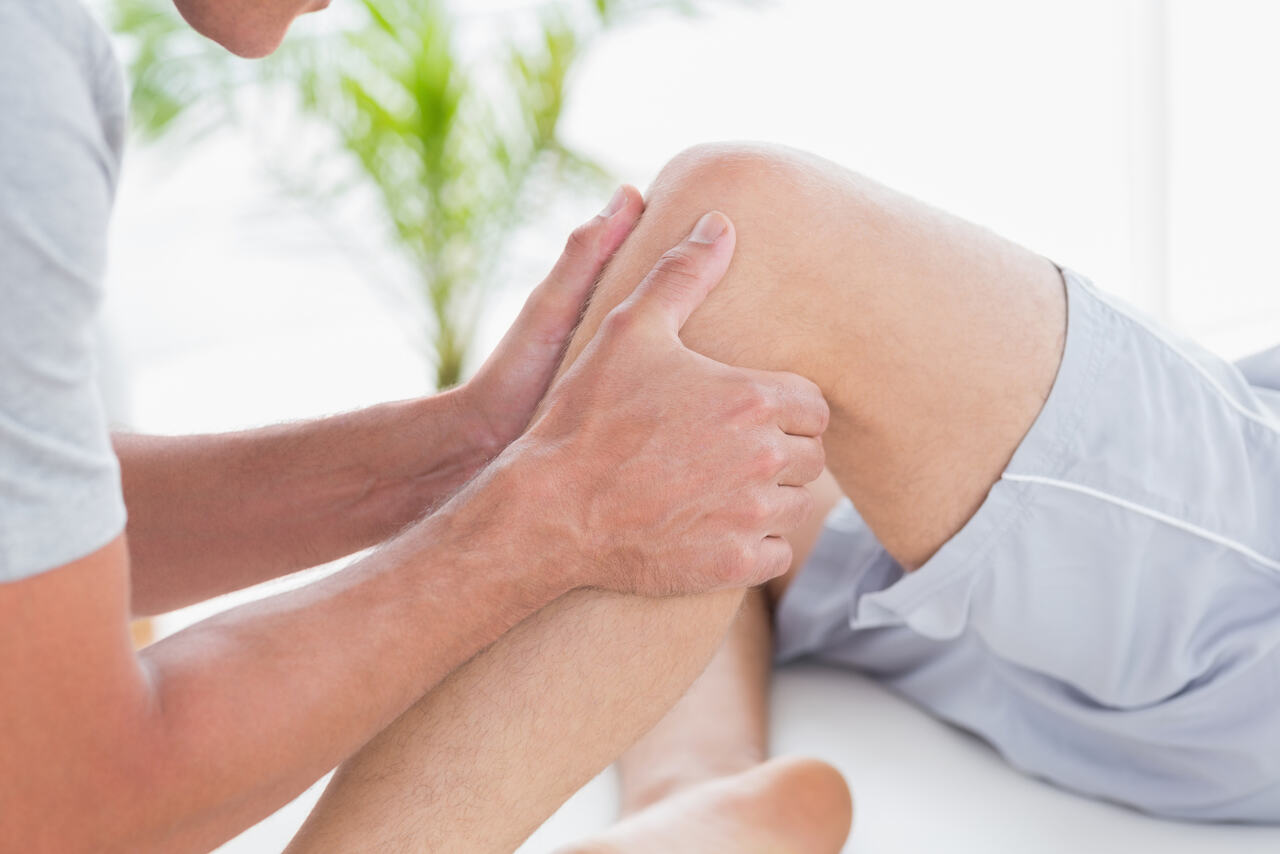
Banish Shin Splints: Effective Physiotherapy Solutions for You
Understanding Shin Splints
What Are Shin Splints?
Shin splints, also known as medial tibial stress syndrome, are a common lower leg issue that usually affects runners and athletes. Shin splints are characterized by pain along the inner edge of the tibia (shinbone). This discomfort often occurs during or after physical activity, particularly activities that involve repetitive impact on the legs, such as running or jumping.
The pain associated with shin splints can vary from mild tenderness to sharp, intense discomfort. Proper diagnosis is essential for effective treatment and to distinguish shin splints from other conditions like stress fractures or compartment syndrome.
| Symptom | Description |
|---|---|
| Pain Location | Along the inner edge of the tibia |
| Pain Timing | During or after physical activity |
| Pain Type | Dull ache to sharp pain |
Common Causes of Shin Splints
Several factors can contribute to the development of shin splints. Understanding these causes is vital for effective prevention and treatment through physiotherapy treatment. Here are some common causes:
- Overuse and Repetitive Stress: Engaging in high-impact activities like running, dancing, or playing sports can lead to overuse and repetitive stress on the shinbone and the muscles surrounding it.
- Improper Footwear: Wearing shoes that lack proper cushioning or support can increase the likelihood of developing shin splints.
- Flat Feet or Overpronation: Individuals with flat feet or those who overpronate (roll their feet inward excessively) are more prone to shin splints due to increased stress on the lower legs.
- Sudden Increase in Activity Intensity: Rapidly increasing the intensity, duration, or frequency of physical activities can strain the lower leg muscles, leading to shin splints.
- Weak Ankles or Core Muscles: Weakness in the ankles or core muscles can alter your gait and increase stress on the shins.
Seeking proper sports physiotherapy helps in addressing these underlying causes through targeted exercises and treatments. For more information on preventing shin splints, refer to physiotherapy exercises.
Importance of Seeking Physiotherapy
Benefits of Physiotherapy for Shin Splints
Proper physiotherapy can be a game-changer when it comes to managing and healing shin splints. This form of therapy offers several benefits that can accelerate your recovery and help you return to your regular activities sooner.
1. Pain Relief: One of the primary goals of physiotherapy is to alleviate pain. Techniques such as manual therapy, electrical stimulation, and ultrasound therapy can reduce inflammation and ease discomfort.
2. Customized Treatment Plans: A physiotherapist can design a treatment plan tailored to your specific needs, incorporating various exercises and therapies that target the root cause of your shin splints.
3. Improved Function: Physiotherapy helps restore the normal function of your affected muscles and joints. This is crucial for maintaining balance and stability, especially if you engage in physical activities.
4. Prevention of Future Injuries: Physiotherapists not only address existing issues but also provide guidance on preventing future injuries. They can offer advice on proper footwear, training techniques, and stretching routines.
For more detailed exercises and techniques, you can explore our resources on physiotherapy exercises and physiotherapy treatment.
When to Consult a Physiotherapist
Knowing when to seek professional help is crucial for effective recovery. Here are some indicators that it’s time to consult a physiotherapist for your shin splints:
1. Persistent Pain: If you experience ongoing pain that doesn’t improve with rest and self-care, a physiotherapist can provide advanced techniques to manage the pain.
2. Difficulty in Daily Activities: If your shin pain interferes with walking, running, or other daily activities, it’s essential to seek professional guidance.
3. Swelling and Inflammation: Noticeable swelling and inflammation that don’t subside could indicate a more severe issue that requires professional intervention.
4. Ineffective Home Remedies: If you’ve tried rest, ice, and over-the-counter pain medications without success, physiotherapy can offer specialized treatments that home remedies can’t provide.
5. History of Shin Splints: If you’ve had shin splints before and they keep coming back, a physiotherapist can help identify underlying issues and create a prevention plan.
Consider visiting a physiotherapy clinic or searching for physiotherapy near me to find a qualified professional. They can offer you tailored solutions and guide you through effective recovery protocols.
By consulting a physiotherapist, you ensure that you are receiving accurate diagnosis and treatment, which can hasten recovery and reduce the likelihood of recurring shin splints. If you’re interested in exploring more areas where physiotherapy can help, check out our articles on physiotherapy for knee pain and physiotherapy for plantar fasciitis.
Physiotherapy Treatments for Shin Splints
Effective physiotherapy solutions are crucial in managing shin splints. Several treatments can help alleviate pain and promote healing, including manual therapy techniques, therapeutic exercises, and gait analysis.
Manual Therapy Techniques
Manual therapy involves hands-on techniques to manipulate and mobilize muscles and joints. For shin splints, these techniques can help reduce muscle tightness and improve blood flow, facilitating the healing process.
Common manual therapy techniques used in treating shin splints include:
- Massage Therapy: Helps reduce muscle tension and improve circulation.
- Myofascial Release: Targets tight muscle fascia to relieve pain.
- Trigger Point Therapy: Focuses on releasing tight knots in the muscles.
Therapeutic Exercises for Rehabilitation
Therapeutic exercises play a key role in rehabilitating shin splints. These exercises strengthen the muscles around the shin and improve flexibility, reducing the risk of recurrence.
Here are some effective therapeutic exercises:
| Exercise | Target Area | Repetitions |
|---|---|---|
| Calf Raises | Calves | 3 sets of 15 |
| Ankle Circles | Ankles | 3 sets of 10 (each direction) |
| Toe Taps | Shins | 3 sets of 20 |
| Soleus Stretch | Calves | 3 sets of 30 seconds |
For more detailed guidance, consider consulting a professional at a physiotherapy clinic to ensure you are performing the exercises correctly and safely.
Gait Analysis and Correction
Gait analysis is an essential component of treating shin splints. It involves assessing how you walk or run to identify any abnormalities that could be contributing to your condition. By analyzing your gait, a physiotherapist can develop a personalized treatment plan that includes corrective exercises and strategies.
The process of gait analysis typically includes:
- Video Analysis: Captures your walking or running motion.
- Biomechanical Assessment: Evaluates the alignment and movement of your joints.
- Customized Treatment Plan: Develops exercises and techniques to correct gait issues.
Correcting gait abnormalities can significantly reduce the risk of shin splints recurrence and improve overall biomechanical efficiency.
By incorporating these physiotherapy treatments into your routine, you can effectively manage and recover from shin splints. Additionally, explore our articles on physiotherapy exercises and physiotherapy treatment for more information on therapeutic techniques for other conditions.
Preventing Shin Splints Recurrence
Effective strategies for preventing the recurrence of shin splints include addressing your footwear, implementing proper warm-up and cool-down routines, and incorporating targeted strengthening and stretching exercises.
Proper Footwear and Orthotics
Wearing the right footwear is essential for preventing shin splints. Shoes with adequate cushioning and support can minimize the impact on your shins. Additionally, orthotics or insoles can help correct biomechanical issues, such as overpronation or flat feet, that may contribute to shin splints. Ensure that your footwear is appropriate for the type of activity you engage in, and replace shoes regularly to maintain proper support.
| Footwear Feature | Importance |
|---|---|
| Cushioning | Absorbs impact, reducing stress on shins |
| Arch Support | Prevents overpronation and flat feet issues |
| Stability | Provides balance and reduces injury risk |
| Fit | Ensures comfort and proper alignment |
Importance of Warm-Up and Cool-Down
Incorporating a proper warm-up and cool-down routine is crucial for preventing shin splints. Warming up increases blood flow to your muscles and prepares them for physical activity, reducing the risk of injury. Similarly, cooling down helps to gradually lower your heart rate and prevent muscle stiffness.
A good warm-up should include dynamic stretches and light aerobic exercises, such as jogging or jumping jacks. Cooling down should involve static stretching, focusing on the muscles most affected during your activity.
| Activity | Warm-Up Duration | Cool-Down Duration |
|---|---|---|
| Jogging | 5-10 minutes | 5-10 minutes |
| Jumping Jacks | 3-5 minutes | N/A (Not needed if activity is mild) |
| Static Stretching | N/A | 5-10 minutes |
Strengthening and Stretching Exercises
Strengthening and stretching exercises target the muscles in your lower legs, improving their resilience and flexibility. Strengthening your calf muscles, Achilles tendon, and tibialis anterior can provide better support for your shins. Regular stretching of these muscles can also help alleviate tightness and reduce the risk of injury.
Strengthening Exercises:
- Calf Raises: Stand on the edge of a step, rise onto your toes, and lower your heels below the step. Repeat 15-20 times.
- Toe Taps: Sit with your feet flat on the ground, lift your toes while keeping your heels on the floor, and tap your toes up and down. Repeat 20-30 times.
Stretching Exercises:
- Calf Stretch: Stand facing a wall, place one foot behind the other, and push your heel towards the ground. Hold for 20-30 seconds on each leg.
- Tibialis Anterior Stretch: Sit on your knees with your toes pointed behind you, and gently sit back onto your heels. Hold for 20-30 seconds.
For more information on exercises and routines, check our article on physiotherapy exercises.
By adopting these preventive measures, you can significantly reduce the risk of shin splints recurrence, allowing you to enjoy your activities without pain or discomfort. For personalized guidance, consider visiting a physiotherapy clinic to tailor a prevention plan suited to your needs.
Self-Care Practices for Shin Splints
Shin splints can be a persistent and painful condition, but there are several self-care strategies you can adopt to alleviate discomfort and promote healing. Here, we will discuss rest and ice therapy, foam rolling techniques, and pain management strategies.
Rest and Ice Therapy
Rest is essential when dealing with shin splints. Reducing or modifying your physical activity allows your muscles, tendons, and bones to recover. Applying ice can help reduce inflammation and numb the affected area, providing relief from pain.
Rest and Ice Therapy Guidelines
| Practice | Duration | Frequency |
|---|---|---|
| Rest | As needed | Daily |
| Ice Application | 15-20 minutes | 3-4 times/day |
| Elevation | During ice therapy | As often as possible |
Foam Rolling Techniques
Foam rolling is an excellent way to release tension and tightness in the muscles surrounding your shins. It helps improve blood flow and promote muscle recovery.
Foam Rolling Steps
- Sit on the floor with your legs extended.
- Place the foam roller under your calf muscles.
- Lift your body slightly and roll from your ankle to your knee.
- Apply gentle pressure and pause on tight spots.
- Repeat for 5-10 minutes daily.
For more detailed instructions on foam rolling, check out our article on physiotherapy exercises.
Pain Management Strategies
Effective pain management strategies can make a significant difference in your recovery process. Over-the-counter pain relievers, proper stretching, and using compression sleeves can help alleviate discomfort.
Pain Management Tips
- Use over-the-counter pain relievers as directed.
- Perform gentle calf and shin stretches daily.
- Wear compression sleeves to support the affected area.
- Avoid activities that aggravate your symptoms.
Implementing these self-care practices can help you manage and recover from shin splints. For additional professional guidance, consider visiting a physiotherapy clinic near you, or look into specialized sports physiotherapy for tailored support.
Incorporating Lifestyle Changes
Implementing lifestyle changes can significantly aid in the management and prevention of shin splints. Here are three crucial areas to focus on.
Hydration and Nutrition Tips
Ensuring proper hydration and nutrition is essential for maintaining muscle and joint health. Dehydration can lead to muscle cramps and increase the risk of injury. Aim to hydrate before, during, and after exercise. Consuming a balanced diet rich in essential nutrients supports recovery and overall wellness.
| Nutrient | Daily Recommended Intake |
|---|---|
| Water | 8-10 glasses |
| Protein | 46-56 grams |
| Calcium | 1000 mg |
| Vitamin D | 600 IU |
A diet high in protein helps in muscle repair, while calcium and vitamin D are vital for bone health, which is critical in preventing shin splints.
Posture and Mechanics Correction
Correct posture and body mechanics are essential in reducing the strain on your lower legs. Incorrect walking or running techniques can exacerbate shin splints. A professional physiotherapy session can help analyze and correct your gait and posture.
For more information on how physiotherapy can help, visit our article on physiotherapy treatment.
Listening to Your Body’s Signals
Paying attention to your body’s signals is vital for preventing and managing shin splints. Ignoring pain and discomfort can lead to more severe issues. If you experience persistent pain, it’s crucial to consult a physiotherapist to explore effective treatment options.
| Symptom | Action Required |
|---|---|
| Persistent Pain | Consult a physiotherapist |
| Swelling | Rest and apply ice |
| Cramping | Hydrate and stretch |
Visit our page on physiotherapy for sports injuries for more information on addressing sports-related injuries like shin splints.
Incorporating these lifestyle changes can help you manage shin splints more effectively while enhancing your overall health. If you need personalized advice, consider visiting a physiotherapy clinic near you.
BY: Laura Schneider
Physiotherapy Cluster
COMMENTS: No Comments