
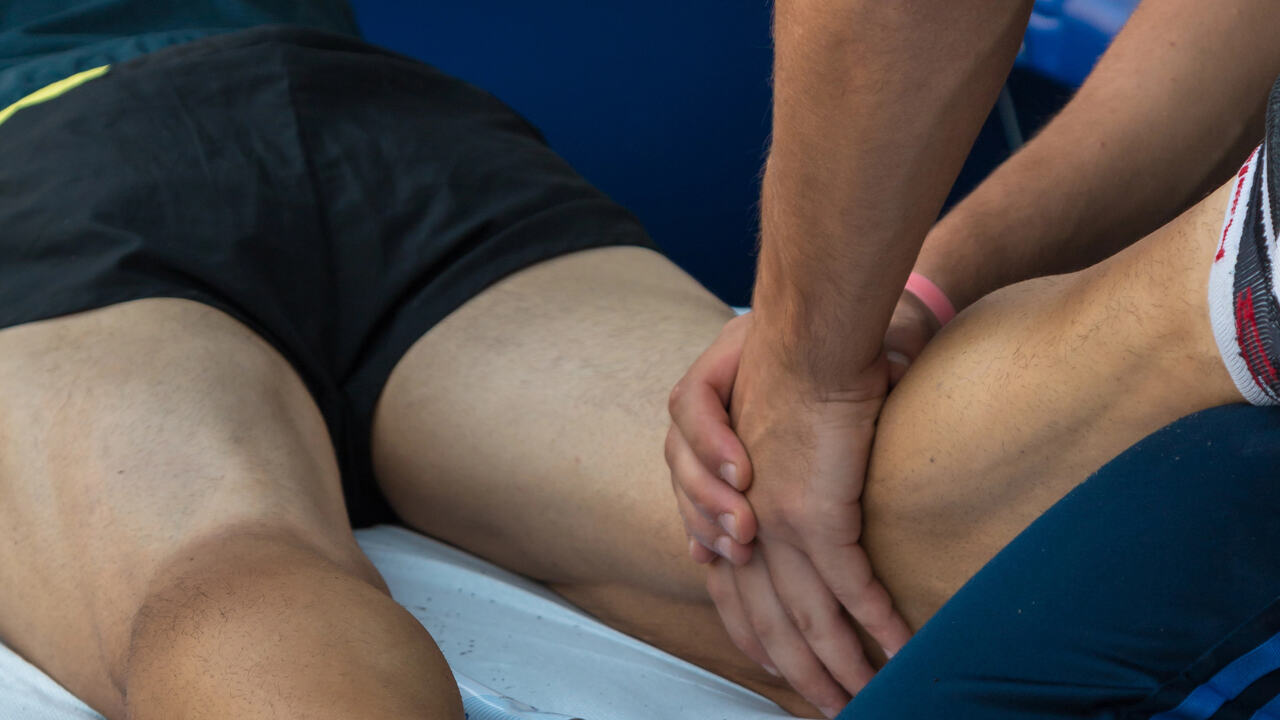
Recover Faster: Expert Physiotherapy for Sports Injuries
Understanding Physiotherapy for Sports Injuries
The Role of Physiotherapy in Sports Injury Recovery
Physiotherapy plays a crucial role in the recovery process for sports-related injuries. Whether you experience a minor strain or a more severe injury, physiotherapy can help restore function, reduce pain, and prevent future injuries. By focusing on tailored treatment plans, physiotherapy aims to promote optimal healing and expedite your return to physical activity.
Physiotherapists use a variety of techniques and modalities designed to address specific injuries and conditions. By evaluating your individual needs and condition, they can devise a personalized treatment plan that targets your unique situation. For more insights on different types of treatments, you can explore articles on physiotherapy for shoulder pain or physiotherapy for knee pain.
How Physiotherapists Can Help You
Physiotherapists are trained professionals who specialize in diagnosing, treating, and preventing musculoskeletal issues. Here’s how they can assist you during your recovery from a sports injury:
Assessment and Diagnosis: Physiotherapists perform thorough assessments to identify the extent and nature of your injury. This involves physical examinations, medical history reviews, and occasionally imaging tests to pinpoint the problem.
| Step | Description |
|---|---|
| Initial Assessment | Detailed review of medical history and symptoms |
| Physical Examination | Evaluation of range of motion, strength, and specific injury site |
| Diagnostic Tests | Imaging or other tests if necessary to confirm diagnosis |
Treatment Modalities: Physiotherapists employ a range of treatment methods to alleviate pain and accelerate recovery. These include manual therapy, electrotherapy, and modalities like ultrasound or laser therapy.
Rehabilitation Exercises: Customized exercise programs are designed to restore strength, flexibility, and function. These exercises are progressive, starting from basic movements and advancing as your condition improves. You can find more details about specific exercises in our section on physiotherapy exercises.
Preventive Strategies: To prevent recurrence, physiotherapists educate you on proper techniques, including stretching routines and correct posture during physical activities. For chronic conditions, articles like physiotherapy for chronic pain offer additional tips.
By working with a physiotherapist, you can develop a comprehensive plan that not only addresses your current injury but also sets you on the path to long-term health and performance. Explore our guide to find the best physiotherapy near me to start your journey to recovery.
Common Sports Injuries Treated by Physiotherapy
Physiotherapy plays a crucial role in the treatment and recovery of various sports injuries. Here are some common injuries that physiotherapists can help you manage and recover from.
Strains and Sprains
Strains and sprains are among the most frequent sports injuries. A strain occurs when a muscle or tendon is overstretched or torn, while a sprain involves the overstretching or tearing of ligaments. Physiotherapy can help reduce pain and swelling, restore range of motion, and strengthen the affected area.
| Injury Type | Symptoms | Treatment Options |
|---|---|---|
| Strains | Muscle pain, swelling, limited mobility | Ice, rest, physiotherapy exercises |
| Sprains | Joint pain, swelling, bruising | Compression, elevation, physiotherapy treatment |
Fractures and Dislocations
Fractures and dislocations can be severe and require immediate medical attention. Once initial treatment is provided, physiotherapy is essential for restoring strength, mobility, and function in the affected area.
| Injury Type | Symptoms | Treatment Options |
|---|---|---|
| Fractures | Severe pain, swelling, deformity | Immobilization, rehabilitation exercises, physiotherapy for back pain |
| Dislocations | Intense pain, visibly out-of-place joint | Realignment, physiotherapy for shoulder pain, strengthening exercises |
Overuse Injuries
Overuse injuries result from repetitive stress on muscles, tendons, or bones. Common examples include tendonitis, shin splints, and runner’s knee. Physiotherapy can address the root cause, provide pain relief, and guide you in gradual, safe resumption of activities.
| Injury Type | Symptoms | Treatment Options |
|---|---|---|
| Tendonitis | Pain, tenderness, stiffness | Rest, physiotherapy for tennis elbow, anti-inflammatory techniques |
| Shin Splints | Soreness along shinbone, swelling | Ice, rest, physiotherapy for shin splints |
| Runner’s Knee | Dull knee pain, stiffness | R.I.C.E protocol, physiotherapy for knee pain, strengthening exercises |
Understanding the different types of injuries that can benefit from physiotherapy is the first step towards effective recovery. If you are experiencing any of these injuries, consider consulting a professional physiotherapist near you to begin your healing journey.
Physiotherapy Techniques for Sports Injury Recovery
Effective recovery from sports injuries often involves a combination of techniques tailored to your specific needs. Understanding these techniques can help you make informed decisions about your treatment plan.
Assessment and Diagnosis
The first step in your physiotherapy journey is thorough assessment and diagnosis. Physiotherapists use various methods to evaluate your condition, ensuring an accurate diagnosis for effective treatment.
- Physical Examination: Assessing the affected area for signs of injury.
- Range of Motion Tests: Evaluating the flexibility and movement capacity.
- Imaging Studies: Utilizing X-rays, MRIs, or ultrasounds (if necessary) for a detailed view.
Assessment results inform the creation of a customized treatment plan. For more in-depth information on specific assessments used, visit sports physiotherapy.
| Evaluation Method | Purpose |
|---|---|
| Physical Examination | Identify injury extent |
| Range of Motion Tests | Test flexibility and movement |
| Imaging Studies | Detailed internal view |
Treatment Modalities
Once diagnosed, your physiotherapist will employ various treatment modalities tailored to your injury. These techniques are designed to alleviate pain, reduce inflammation, and promote healing.
- Manual Therapy: Hands-on techniques to mobilize joints and soft tissues.
- Electrotherapy: Using electrical currents (e.g., TENS, ultrasound) to reduce pain and enhance healing.
- Cryotherapy/Heat Therapy: Applying cold or heat to reduce inflammation or improve blood flow.
Each treatment modality has a specific role in your recovery process. To learn more about different treatments, visit our article on physiotherapy treatment.
| Treatment Modality | Purpose |
|---|---|
| Manual Therapy | Mobilize joints, reduce pain |
| Electrotherapy | Pain relief, tissue healing |
| Cryotherapy/Heat Therapy | Reduce inflammation, enhance circulation |
Rehabilitation Exercises
Rehabilitation exercises are a cornerstone of physiotherapy for sports injuries. These exercises help restore strength, flexibility, and function, as well as prevent re-injury.
- Strengthening Exercises: Targeting specific muscle groups to enhance power and stability.
- Flexibility Exercises: Improving range of motion and reducing stiffness.
- Balance and Coordination Exercises: Enhancing overall body control and preventing falls.
Consistency is key to successful rehabilitation. For a comprehensive list of exercises tailored to specific injuries, visit our article on physiotherapy exercises.
| Exercise Type | Purpose |
|---|---|
| Strengthening Exercises | Build muscle, improve stability |
| Flexibility Exercises | Increase range of motion |
| Balance Exercises | Enhance coordination, prevent falls |
Understanding and utilizing these physiotherapy techniques can significantly enhance your recovery journey. By working closely with your physiotherapist and staying committed to your treatment plan, you can promote faster healing and prevent further injuries. For more tips on staying consistent in your rehabilitation, explore tips for straightening curly hair.
Benefits of Physiotherapy for Sports Injuries
When contending with sports injuries, physiotherapy offers multiple benefits to expedite your recovery, restore your physical capabilities, and prevent future injuries. Here are the key advantages.
Promotes Faster Healing
Physiotherapy accelerates the healing process through targeted treatments and exercises specifically designed for your injury. Techniques such as manual therapy, electrical stimulation, and ultrasound are employed to enhance blood circulation, reduce inflammation, and promote tissue regeneration. For in-depth information on various physiotherapy treatments, explore our detailed guide.
| Physiotherapy Technique | Healing Benefits |
|---|---|
| Manual Therapy | Enhances blood flow and reduces scar tissue |
| Electrical Stimulation | Alleviates pain and accelerates muscle recovery |
| Ultrasound | Promotes tissue healing and reduces inflammation |
Restores Function and Mobility
A significant advantage of physiotherapy is its ability to help you regain full function and mobility. Physiotherapists guide you through exercises that improve strength, flexibility, and coordination. These rehabilitation exercises are crucial in ensuring that your injury heals properly and that you can return to your regular activities without lingering limitations. For specific exercises tailored to various injuries, refer to physiotherapy exercises.
Prevents Recurrence
Physiotherapy not only aids in recovery but also focuses on preventing future injuries. Your physiotherapist will assess your movement patterns, strength imbalances, and flexibility issues to identify potential risk factors. They will then design a personalized exercise regimen to address these factors. This proactive approach helps in minimizing the risk of recurrent injuries, ensuring you can continue your sports activities safely. To find out more about preventing specific injuries, visit our articles on physiotherapy for knee pain and physiotherapy for shoulder pain.
By leveraging physiotherapy, you can significantly improve your recovery outcomes, regain your physical capabilities, and secure your long-term health. Find the right physiotherapy clinic near you to begin your journey to a quicker, more effective recovery.
Finding the Right Physiotherapist for You
Choosing the right physiotherapist is crucial for your recovery from sports injuries. This section will guide you on what to consider when selecting a physiotherapist.
Qualifications and Experience
When looking for a physiotherapist, their qualifications and experience should be top of mind. Ensure they have the proper credentials and are licensed to practice in your area. A physiotherapist with specialized training in sports injuries is often more adept at treating issues related to athletic activities.
| Criteria | Importance |
|---|---|
| Licensed to Practice | High |
| Specialization in Sports Injuries | Very High |
| Years of Experience | Medium to High |
Communication and Trust
Effective communication between you and your physiotherapist is essential. You should feel comfortable discussing your symptoms, progress, and any concerns you may have. Trust is built when the physiotherapist listens to you and provides clear explanations regarding your treatment and recovery plan.
To know more about what to expect during treatment, check out our article on physiotherapy treatment.
Treatment Approach
Different physiotherapists may use varying treatment approaches. Some may focus more on manual therapies, while others incorporate advanced techniques and equipment. Understanding their treatment philosophy and ensuring it aligns with your preferences can positively impact your recovery. Be sure to inquire about their methods, the role of physiotherapy exercises in your plan, and how they assess progress.
| Treatment Approach | Description |
|---|---|
| Manual Therapy | Hands-on techniques, such as massage or manipulation |
| Modalities | Use of equipment like ultrasound, TENS, etc. |
| Exercise-Based | Focus on specific exercises for recovery |
To explore more about sports-specific rehabilitation, visit our article on sports physiotherapy.
By taking these factors into account, you can find a physiotherapist who will provide the best care for your sports injuries, helping you recover faster and more effectively.
Your Recovery Journey with Physiotherapy
Embarking on a recovery journey with physiotherapy for sports injuries is a process that requires careful planning and commitment. Here are some fundamental aspects to consider as you work towards a successful recovery.
Setting Realistic Goals
One of the first steps in your recovery journey is setting realistic goals. It is essential to work closely with your physiotherapist to outline achievable milestones. These goals will serve as a roadmap for your treatment, helping you stay focused and motivated.
Short-term Goals:
- Reduce pain and inflammation
- Restore basic range of motion
- Re-establish normal movement patterns
Long-term Goals:
- Regain full strength and functionality
- Prevent recurrence of injury
- Return to sports or daily activities
| Goal Type | Example Goals |
|---|---|
| Short-term | Reduce swelling, achieve pain-free movement |
| Long-term | Enhance strength, resume athletic activities |
Setting attainable goals ensures that you can track your progress and make necessary adjustments along the way. For more information on specific treatment plans, refer to our guide on physiotherapy treatment.
Consistency in Treatment
Consistency is crucial in achieving the best outcomes in physiotherapy for sports injuries. Following the prescribed treatment plan, attending all physiotherapy sessions, and performing recommended exercises are vital components of a successful recovery. Missing appointments or neglecting exercises can delay your progress and hinder the healing process.
Key Aspects of Consistency:
- Regularly attending therapy sessions
- Adhering to home exercise programs
- Following your physiotherapist’s advice on modifications and precautions
To maintain consistency, create a schedule that accommodates your therapy sessions and exercise routines. Use reminders or apps to keep track of your appointments and exercise regimen. Learn more about effective exercises by visiting our page on physiotherapy exercises.
Active Participation in Rehabilitation
Active participation is an essential element of the rehabilitation process. Engaging proactively with your treatment plan will significantly enhance your recovery. This means being mindful during sessions, asking questions, and providing feedback to your physiotherapist.
Active Participation Involves:
- Communication: Sharing any discomfort or progress with your physiotherapist ensures the treatment is effective and adjustments are made if necessary.
- Diligence: Performing prescribed exercises consistently and correctly.
- Awareness: Understanding your body’s signals and knowing when to rest or push harder.
| Action | Benefit |
|---|---|
| Clear Communication | Tailored treatment adjustments, faster recovery |
| Consistent Exercises | Improved strength, flexibility |
| Body Awareness | Prevents overexertion, facilitates healing |
Your commitment to active participation will make a significant difference in the effectiveness of your recovery journey. For insights on maintaining active involvement in your rehabilitation, check out our article on sports physiotherapy.
By setting realistic goals, maintaining consistency, and actively participating in your rehabilitation, you can optimize your recovery from sports injuries. This structured approach, guided by your physiotherapist, will help you achieve the best possible outcomes and return to your activities with confidence.
BY: Laura Schneider
Physiotherapy Cluster
COMMENTS: No Comments