
 15 May 2026
Building Deep Core and Gluteal Strength for Pregnancy Comfort: Proactive Movement Tips
TL;DR Building deep core and gluteal strength during pregnancy creates a functional buffer that helps your pelvis adapt to shifting loads and hormonal changes, preventing pelvic girdle pain before it starts. Focus on gentle activation exercises for your transverse abdominis, pelvic floor, and glutes throughout all trimesters. Starting these pre-hab movements early gives your body
BY: Laura Schneider
Physiotherapy
COMMENTS: No Comments
 08 May 2026
Understanding Neck and Cranial Alignment in Chronic TMJ Tension and Posture Impact
TL;DR Forward head posture and tight deep neck flexor muscles create mechanical stress that forces your jaw into compensatory positions, perpetuating chronic TMJ tension even when wearing a night guard. Physiotherapy assessment addresses these postural root causes by evaluating cranial alignment and neck muscle patterns that contribute to jaw dysfunction beyond the temporomandibular joint itself.
BY: Laura Schneider
Physiotherapy
COMMENTS: No Comments
 29 Apr 2026
How Diaphragm, Ribcage, and Foot Mechanics Affect Pelvic Floor Health and Urinary Incontinence in Women
TL;DR Urinary incontinence in women often stems from dysfunction in the entire pressure system of the body, not just weak pelvic floor muscles. The diaphragm, ribcage stiffness, and poor foot mechanics create cascading effects that overload the pelvic floor, making Kegels alone insufficient for lasting improvement. A comprehensive physiotherapy approach that addresses breathing patterns, ribcage
BY: Laura Schneider
pelvic floor physiotherapy
COMMENTS: No Comments
 22 Apr 2026
Everyday Head and Neck Habits to Support Vestibular Health and Manage Vertigo Symptoms
TL;DR Simple daily head and neck positioning habits like slow, intentional head turns, maintaining neutral neck alignment during activities, and practicing gentle gaze shifts throughout the day serve as neurological anchors that support vestibular system retraining. These micro-adjustments help reduce dizziness episodes by providing your brain with consistent, stable sensory input that complements formal vestibular
BY: Laura Schneider
Vestibular Disorders
COMMENTS: No Comments
 15 Apr 2026
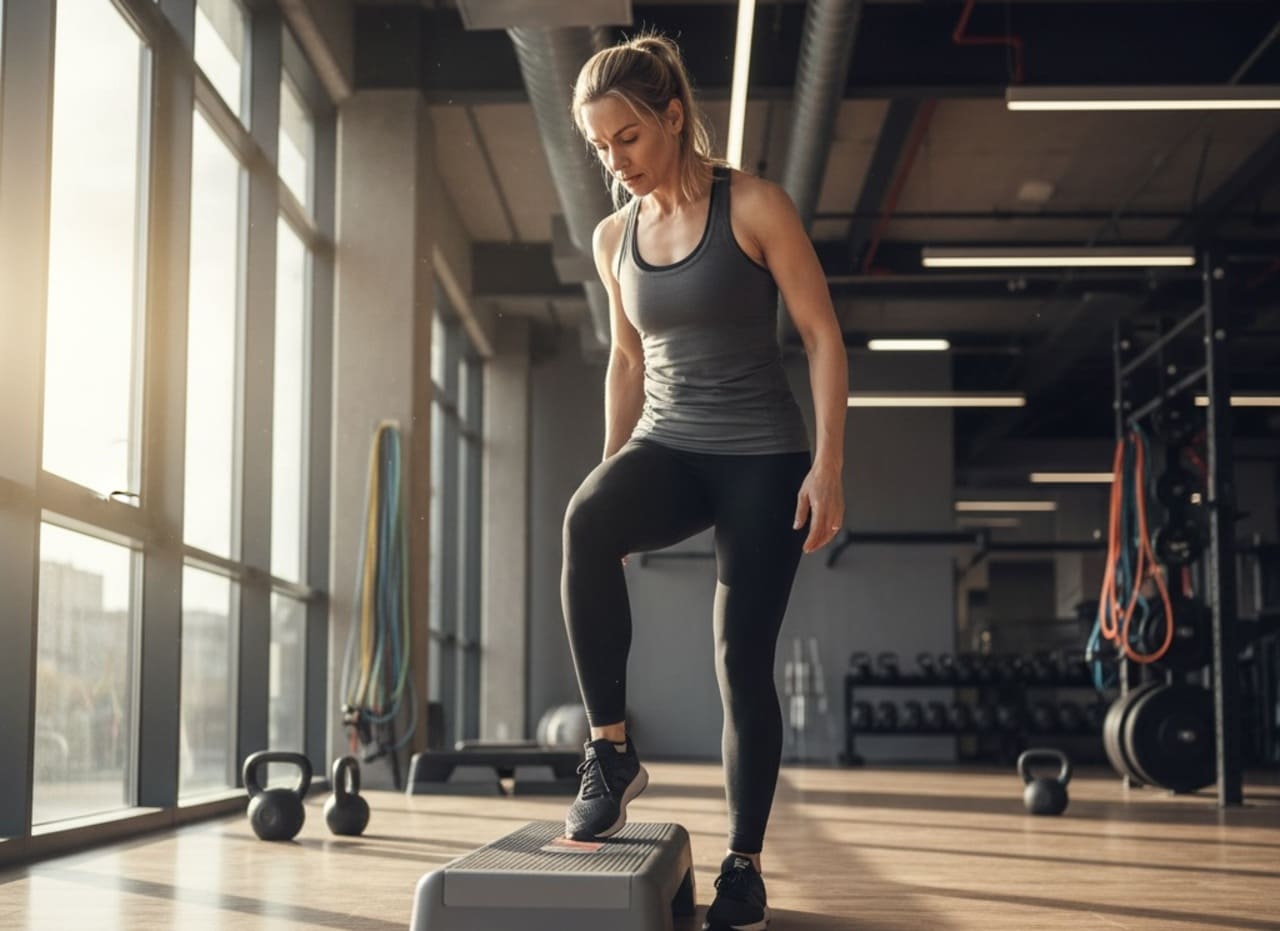
Understanding Progressive Loading for Tendonitis: From Ice Packs to Long-Term Strength
TL;DR Progressive loading for tendonitis uses controlled mechanical tension to stimulate tendon remodeling and build lasting strength, rather than just managing symptoms with ice packs. This evidence-based approach encourages collagen realignment and tendon resilience through gradual increases in load, addressing the root cause of tendon weakness. Active recovery with proper loading protocols creates stronger, more
BY: Laura Schneider
Physiotherapy
COMMENTS: No Comments
 08 Apr 2026
Unseen Impact: How Deep Fascial and Neurological Assessments Detect Hidden Injuries After Motor Vehicle Accidents
TL;DR Deep fascial and neurological assessments after car accidents reveal subtle injuries like neurological whiplash and fascial tethering that standard imaging often misses. These comprehensive hands-on evaluations help explain persistent symptoms such as brain fog, chronic pain, and fatigue that continue even after initial ER clearance, providing a pathway to targeted treatment and recovery. ────────────────────────────────────────────────────
BY: Laura Schneider
Physiotherapy
COMMENTS: No Comments
 30 Mar 2026
Overcoming Anxiety and Fear When Starting Vestibular Home Exercises: A Clear Patient’s Guide
TL;DR Anxiety and fear about vestibular home exercises are completely normal responses when you already feel dizzy or off-balance. The key to success is starting slowly, working with a physiotherapist who understands these concerns, and accepting that temporary discomfort during exercises is part of your brain’s healing process. ────────────────────────────────────────────── What Makes Starting Vestibular Home Exercises
BY: Laura Schneider
Vestibular Disorders
COMMENTS: No Comments
 15 Mar 2026
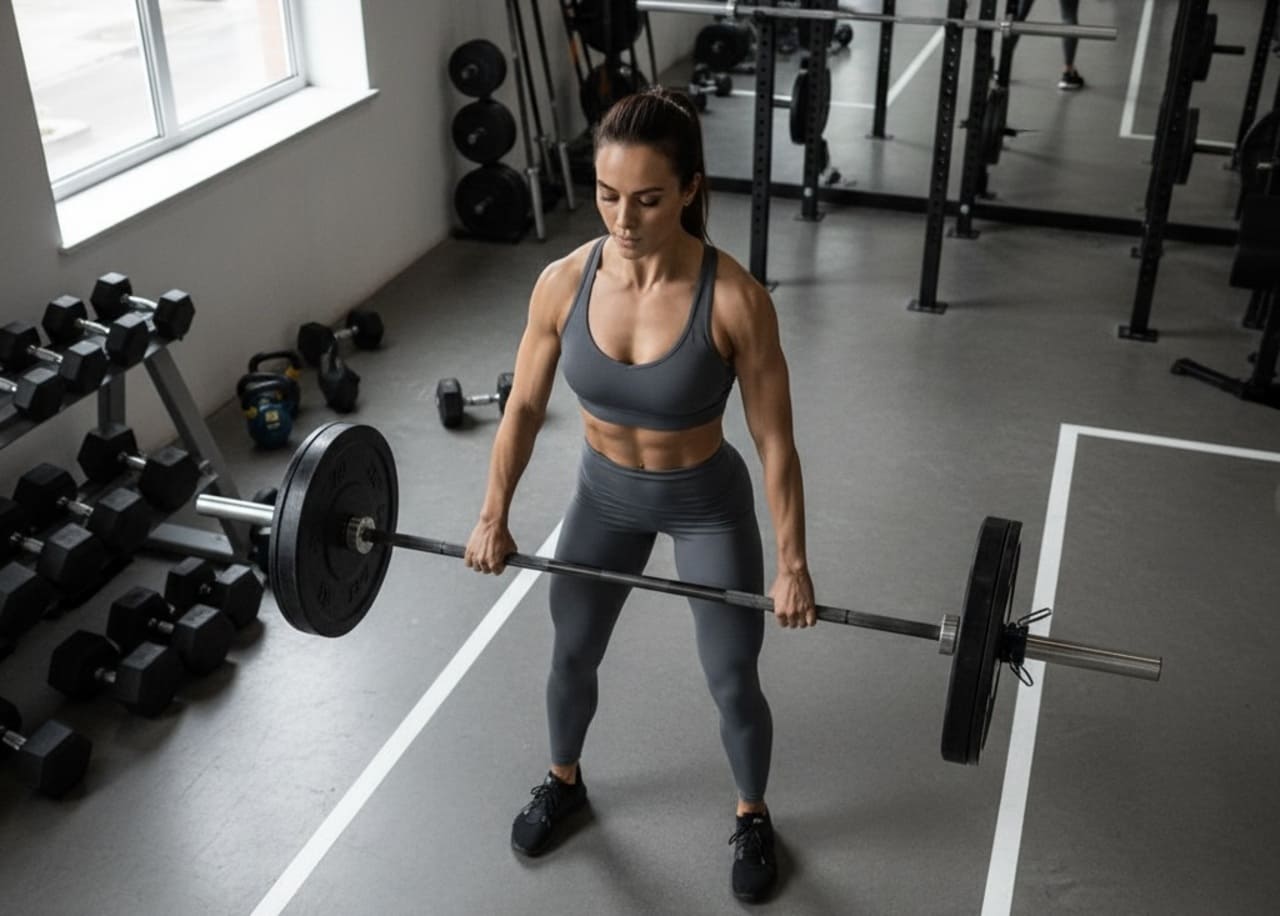
How Breath Control and Core Bracing Techniques Support Pelvic Floor Strength During Heavy Lifting
TL;DR Breath-holding and improper core bracing during heavy lifting creates excessive downward pressure on the pelvic floor, potentially leading to dysfunction and strength loss. Using controlled breathing techniques and proper core bracing methods helps distribute forces evenly through your core canister, protecting your pelvic floor while improving overall lifting performance and long-term core health. ────────────────────────────────────────────────────────
BY: Laura Schneider
pelvic floor physiotherapy
COMMENTS: No Comments
 28 Feb 2026
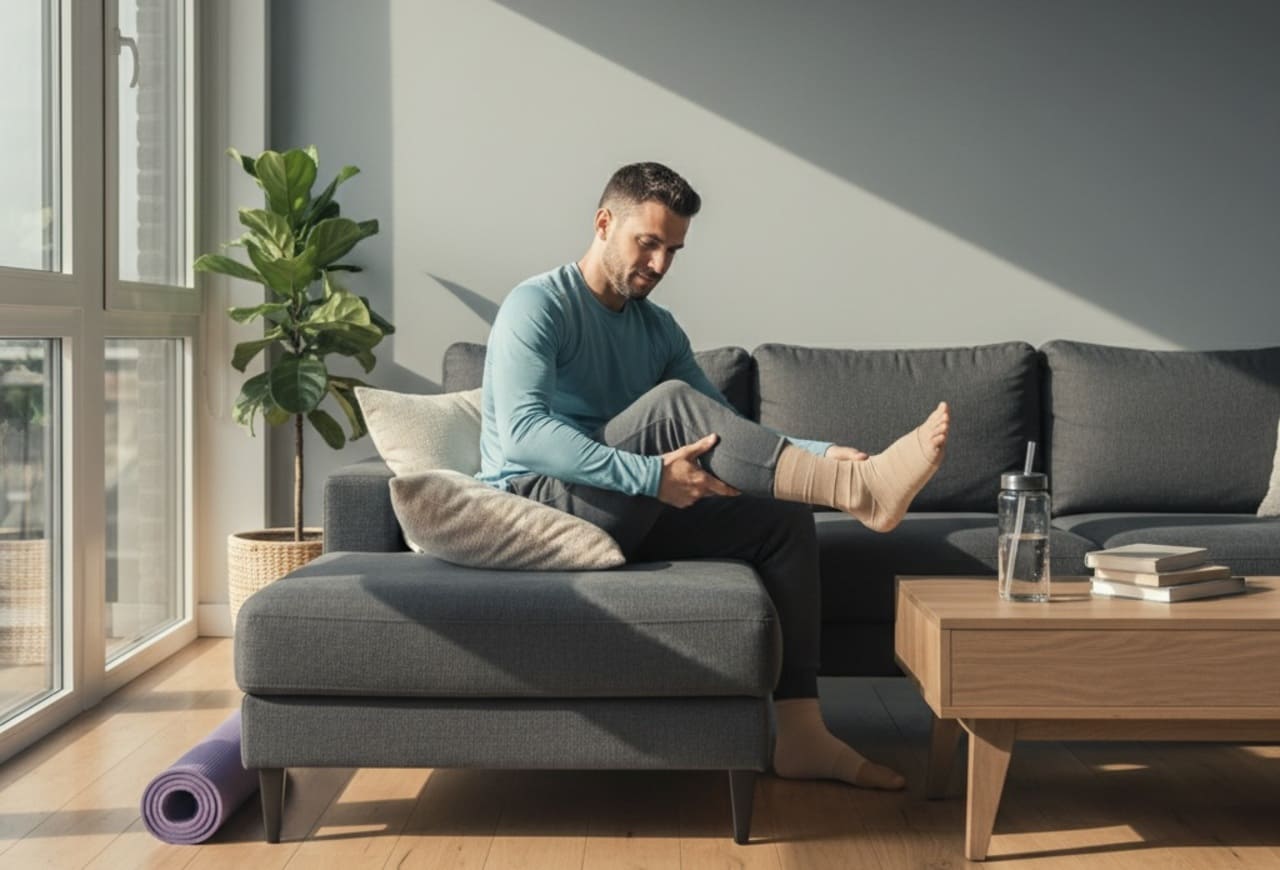
How to Optimize Your Home Care Routine Between Physiotherapy Sessions for Ankle Sprains
TL;DR Effective home care for ankle sprains combines controlled weight-bearing, regular elevation, targeted exercises prescribed by your physiotherapist, and daily movement habits that support healing. Consistent home routines between physiotherapy sessions accelerate recovery and build confidence for your return to activity. ──────────────────────────────────────────────────────── Getting sidelined by an ankle sprain feels frustrating, especially when you’re eager to
BY: Laura Schneider
Physiotherapy
COMMENTS: No Comments
 15 Feb 2026
Understanding the Cellular Shift: How Shockwave Therapy Supports Healing in Stubborn Plantar Fascia Tissue
TL;DR Shockwave therapy for plantar fasciitis creates controlled micro-trauma that stimulates cellular regeneration in degenerated tissue, restarting the healing cascade where manual stretching alone has plateaued. This evidence-based approach activates your body’s natural repair mechanisms at the cellular level, offering new hope for chronic plantar fascia conditions that haven’t responded to traditional physiotherapy methods. ─────────────────────────────────────────────────
BY: Laura Schneider
Shockwave Therapy
COMMENTS: No Comments