
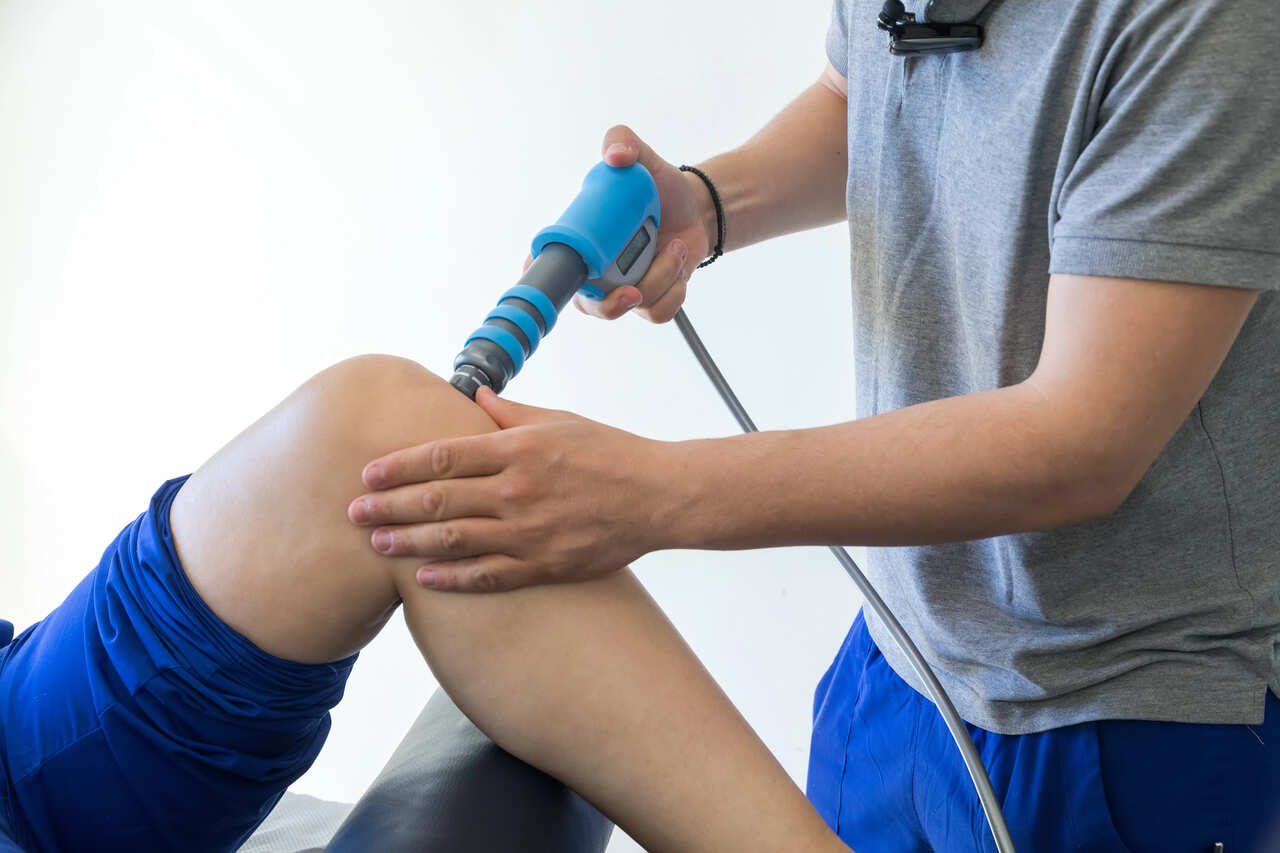
Optimized Healing Without Surgery: What Happens During Shockwave Therapy
Shockwave therapy has gained widespread attention for its ability to accelerate healing, reduce chronic pain, and support recovery from a variety of musculoskeletal conditions. By using targeted acoustic waves to stimulate tissue repair and improve blood flow, this non-invasive treatment offers a new avenue for those seeking alternatives to medication or surgery. In this blog, we’ll walk you through what to expect during a shockwave therapy session, how to prepare for it, and what the recovery process typically looks like. Whether you’re exploring treatment options for a stubborn injury or preparing for your first session, understanding the process can help you feel more confident and ready for your recovery journey.What Is Shockwave Therapy and How Does It Work?
Shockwave therapy is a non-invasive treatment that uses high-energy acoustic waves to stimulate healing within injured tissues. Originally developed to break up kidney stones, this technology has been adapted for musculoskeletal conditions like tendonitis, plantar fasciitis, and shoulder calcifications. The acoustic waves promote increased blood flow, cellular repair, and pain reduction by triggering a biological response in the body’s tissues.- Mechanical Stimulation: The waves create microtrauma in the tissue, which encourages the body’s natural healing processes.
- Improved Circulation: The therapy stimulates new blood vessel formation, boosting oxygen and nutrient delivery to the affected area.
- Pain Modulation: Shockwaves can desensitize nerve endings, reducing pain signals sent to the brain.
- Breakdown of Fibrosis or Calcifications: In chronic injuries, the treatment can break down scar tissue or calcium deposits that hinder recovery.
Preparing for Shockwave Therapy Sessions
Preparation for shockwave therapy is generally straightforward, but there are a few important things to keep in mind to ensure the session goes smoothly:- Avoid Anti-Inflammatory Medications: You may be asked to stop using NSAIDs (like ibuprofen) before your appointment, as these can interfere with the body’s natural healing response triggered by the therapy.
- Dress Comfortably: Wear loose-fitting clothing that allows easy access to the treatment area.
- Hydrate Well: Proper hydration supports optimal blood flow and tissue healing, both of which are important after the session.
- Discuss Medical History: Inform your therapist about any medications, medical implants (like pacemakers), blood clotting disorders, or pregnancy.
- Manage Expectations: Understand that shockwave therapy often requires multiple sessions to achieve the best results, depending on the severity and chronicity of the condition.
Shockwave Therapy Sessions: What to Expect
The session itself is straightforward and typically follows a consistent process designed to focus on the specific area needing treatment:- Initial Assessment: The therapist may quickly reassess the injury site to confirm the area that needs targeting.
- Application of Gel: A specialized coupling gel is applied to the skin to help transmit the acoustic waves efficiently into the body.
- Device Positioning: A handheld shockwave device is placed directly against the gel-covered area.
- Delivery of Shockwaves: High-energy pulses are delivered in rapid succession, with therapists adjusting the intensity based on client feedback and treatment goals.
- Session Monitoring: The therapist will monitor your comfort, adjusting settings as needed to balance effectiveness with tolerability.
- Post-Treatment Instructions: After the session, the therapist may provide advice on activity modification, stretching, or additional therapies to complement healing.
Is Shockwave Therapy Painful?
Pain during shockwave therapy can vary depending on the individual and the specific condition being treated. Most people describe the sensation as uncomfortable but manageable, often comparing it to a tapping or snapping feeling against the skin. If the discomfort becomes too intense, therapists can adjust the intensity of the treatment to make it more tolerable without compromising its effectiveness. It’s not uncommon for people to experience mild swelling, redness, or tenderness in the treated area shortly after a session, but these symptoms usually subside within a day or two as part of the natural healing response. Over the course of multiple treatments, most people find that any discomfort decreases as the underlying tissue begins to heal. While some level of discomfort can occur during and after treatment, it is typically short-lived and outweighed by the potential for long-term pain relief and improved function.Starting Shockwave Therapy: Essential Questions to Ask Your Physiotherapist
Being well-informed before beginning shockwave therapy can help set clear expectations and ensure the treatment is appropriate for your needs. Consider asking your physiotherapist questions like:- Is shockwave therapy appropriate for my specific condition? Understanding whether your condition is a good fit for this treatment method is crucial.
- How many sessions will I likely need? Ask for a general plan based on your injury history and current symptoms.
- What are the potential risks or side effects in my case? Individual health factors may affect risk profiles, so personalized guidance is important.
- What should I do before and after each session? Knowing how to prepare and what to expect can optimize treatment results.
- Can shockwave therapy be combined with other treatments? In some cases, exercises, manual therapy, or bracing may enhance outcomes when used alongside shockwave therapy.
- What results should I realistically expect? Clear communication about expected timelines and outcomes can help align therapy goals.
How Long Does a Shockwave Therapy Session Usually Last?
Shockwave therapy sessions are designed to be efficient and easy to fit into a busy schedule. A standard session typically lasts between 10 to 20 minutes, depending on the size and number of areas being treated. If more than one area is addressed in a single appointment, the session may be slightly longer to ensure each region receives adequate treatment. Many conditions require a series of sessions—usually three to six—spaced about a week apart to achieve optimal results. Chronic or complex conditions may require a few additional treatments for full effectiveness. One of the major advantages of shockwave therapy is that people can usually return to normal daily activities immediately afterward, although therapists may recommend avoiding strenuous exercise for a day or two. Thanks to its short treatment times and non-invasive nature, shockwave therapy offers a convenient option for those looking to recover without significant disruption to their routine.Possible Side Effects of Shockwave Therapy
Shockwave therapy is considered very safe when performed by trained professionals, but like any treatment, some mild side effects can occur:- Temporary Discomfort: It’s normal to experience some soreness, tenderness, or achiness in the treated area for a day or two after treatment.
- Redness or Swelling: Minor skin redness or mild localized swelling can happen as the tissues react to the therapy’s mechanical stimulation.
- Bruising: Occasionally, small bruises may form, especially in highly vascular or sensitive areas.
- Numbness or Tingling: Some people report brief tingling sensations immediately after treatment, which typically resolves quickly.
- Rare Reactions: Serious side effects are extremely rare, but it’s important to inform your therapist if any unexpected or prolonged symptoms occur.
How Many Shockwave Therapy Sessions Are Typically Needed?
The number of shockwave therapy sessions required can vary depending on the severity and chronicity of the condition, how the body responds to treatment, and the overall recovery goals. For most injuries, people typically undergo three to six sessions spaced about one week apart. Chronic conditions, such as long-standing tendon issues or calcifications, might require additional sessions to achieve the best possible outcomes. Therapists regularly assess progress throughout the course of treatment and may adjust the number of sessions if faster or slower healing is observed. Sometimes, shockwave therapy is combined with exercises or manual therapy techniques, which can also influence the overall treatment plan. After completing the initial series of treatments, a reassessment is done to determine whether further therapy is necessary. While general treatment guidelines exist, your therapist will customize the plan based on your body’s specific healing process to ensure you achieve the best possible recovery.Pain is No Longer in Control
Choosing the right therapy is an important step toward lasting recovery, and knowing what to expect from shockwave therapy can make the process smoother and more successful. Whether you’re seeking relief from a chronic injury or exploring new treatment options, a clear understanding of the procedure, the benefits, and the recovery timeline can set you up for better results. If you’re ready to take the next step in your rehabilitation journey, book a session with Boost Physiotherapy in Edmonton and discover how shockwave therapy can support your path back to comfort, movement, and active living.BY: Laura Schneider
Shockwave Therapy
COMMENTS: No Comments