Shockwave Therapy: A Non-Invasive Solution for Pain and Recovery
In the realm of physiotherapy, shockwave therapy has emerged as a promising option for pain management and recovery enhancement. This non-invasive treatment uses acoustic waves to target musculoskeletal conditions, offering a pathway to relief for many individuals. In this blog, we will explore the intricacies of shockwave therapy, examining its mechanisms, applications, safety, and what individuals can expect from the treatment process. Whether you’re dealing with chronic pain or an acute injury, understanding this therapy could be your first step towards improved health and well-being.What Is Shockwave Therapy And How Does It Relieve Pain?
Shockwave therapy is a non-invasive treatment that utilizes acoustic waves to promote recovery and relieve pain by stimulating the body’s natural repair processes. It achieves this by increasing blood flow, reducing inflammation, and stimulating collagen production. These mechanisms make it a viable option for various musculoskeletal conditions and injuries.- Acoustic Waves: Shockwave therapy employs high-energy sound waves that penetrate tissues to enhance circulation and metabolism, facilitating the body’s natural recovery processes.
- Increased Blood Flow: The therapy promotes vasodilation, which enhances blood flow to the affected area, delivering essential nutrients and oxygen that aid in recovery.
- Collagen Stimulation: Shockwave therapy encourages collagen production, which is crucial for repairing damaged tissues and improving structural integrity.
- Pain Reduction: By disrupting nerve activity, shockwave therapy can reduce pain signals, providing relief from chronic discomfort.
- Inflammation Reduction: The treatment helps in diminishing inflammation by promoting cellular repair, which can accelerate recovery and reduce swelling.
- Tissue Regeneration: It can stimulate the regeneration of soft tissues, which is beneficial for conditions like tendonitis or ligament injuries.
- Non-invasive Approach: As a non-surgical treatment, it offers an option for those looking to avoid invasive procedures, with minimal downtime.
What Types Of Pain Can Be Treated With Shockwave Therapy?
Shockwave therapy can treat a variety of pain types, particularly those related to musculoskeletal conditions such as tendonitis, plantar fasciitis, and tennis elbow. The therapy’s ability to enhance circulation and stimulate tissue repair makes it effective for chronic and acute pain relief.| Tendonitis | Shockwave therapy is frequently used to address tendonitis, as it helps reduce inflammation and promote tendon repair. |
| Plantar Fasciitis | This condition, characterized by heel pain, can benefit significantly from shockwave therapy through enhanced blood flow and collagen production. |
| Tennis Elbow | The therapy can alleviate pain and inflammation associated with tennis elbow by promoting tissue repair and reducing strain on the elbow joint. |
| Calcific Shoulder Tendinopathy | Shockwave therapy can help dissolve calcium deposits in the shoulder, relieving pain and improving mobility. |
| Achilles Tendinopathy | By improving circulation and reducing inflammation, shockwave therapy can aid in the recovery of Achilles tendon injuries. |
| Myofascial Pain Syndrome | This therapy can help relieve muscle pain and stiffness by disrupting pain signals and enhancing tissue repair. |
| Shin Splints | Athletes suffering from shin splints can experience relief through improved blood flow and reduced muscle tension. |
Is Shockwave Therapy Safe, And Are There Any Side Effects?
Shockwave therapy is considered safe for most individuals, with side effects being generally mild and temporary. Common side effects include minor swelling, redness, or discomfort in the treated area, which usually resolve shortly after the session. Practitioners typically conduct a thorough assessment to ensure the suitability of the therapy for each client, considering any underlying health conditions or contraindications. The treatment is non-invasive, which minimizes risks associated with surgical procedures. Moreover, the controlled application of acoustic waves ensures precision in targeting the affected area, reducing the likelihood of significant side effects. Clients undergoing shockwave therapy can usually resume normal activities immediately, as there is minimal downtime. However, it is essential to follow any specific aftercare instructions provided by the healthcare provider to optimize the therapy’s effectiveness and minimize discomfort. In summary, shockwave therapy is a safe treatment option with a low incidence of side effects, making it accessible to a wide range of individuals seeking pain relief.How Does Shockwave Therapy Compare To Other Pain Relief Treatments?
Shockwave therapy offers a unique approach to pain relief by directly stimulating tissue repair and reducing inflammation, setting it apart from other treatments like medication or surgery. Unlike pharmaceuticals, it targets the root cause rather than merely alleviating symptoms.- Non-invasive: Unlike surgical options, shockwave therapy is non-invasive, reducing recovery time and associated risks.
- Focus on Repair: It stimulates the body’s natural repair processes, unlike pain medications that often mask symptoms without addressing underlying issues.
- Minimal Side Effects: Compared to medication, shockwave therapy has fewer side effects, making it a safer long-term option for many individuals.
- Cost-Effective: It can be more economical than surgical interventions, offering relief without extensive medical bills or hospitalization.
- Versatility: Shockwave therapy can treat a wide range of conditions, unlike some therapies that are condition-specific.
- Quick Sessions: Treatment sessions are typically brief, allowing for integration into most schedules without significant disruption.
How Many Sessions Of Shockwave Therapy Are Needed For Pain Relief?
The number of shockwave therapy sessions needed for pain relief varies depending on the individual’s condition and its severity. Generally, most individuals experience significant improvements within 3 to 6 sessions, typically spaced a week apart. Each session’s effectiveness can depend on factors such as the specific condition being treated, the individual’s overall health, and their response to therapy. Practitioners assess progress after each session, adjusting the treatment plan as necessary. Initial improvements might be noticeable after the first few sessions, with cumulative benefits becoming more apparent over time. Continuity is key; adhering to the recommended schedule ensures optimal results. While some individuals may require more sessions for chronic or severe conditions, others might achieve desired outcomes sooner. Regular consultations with the healthcare provider will aid in monitoring progress and determining when treatment goals have been met. Overall, while the number of sessions can vary, consistent application of shockwave therapy generally leads to effective pain relief and improved function.What Should You Expect During A Shockwave Therapy Session?
During a shockwave therapy session, individuals can expect a straightforward process that involves the application of acoustic waves to the affected area. The session typically lasts between 15 to 30 minutes and is conducted in a comfortable setting.| Initial Consultation | Before starting, the healthcare provider will review the individual’s condition and discuss the treatment plan. |
| Preparation | The treatment area is exposed, and a gel is applied to improve the transmission of acoustic waves. |
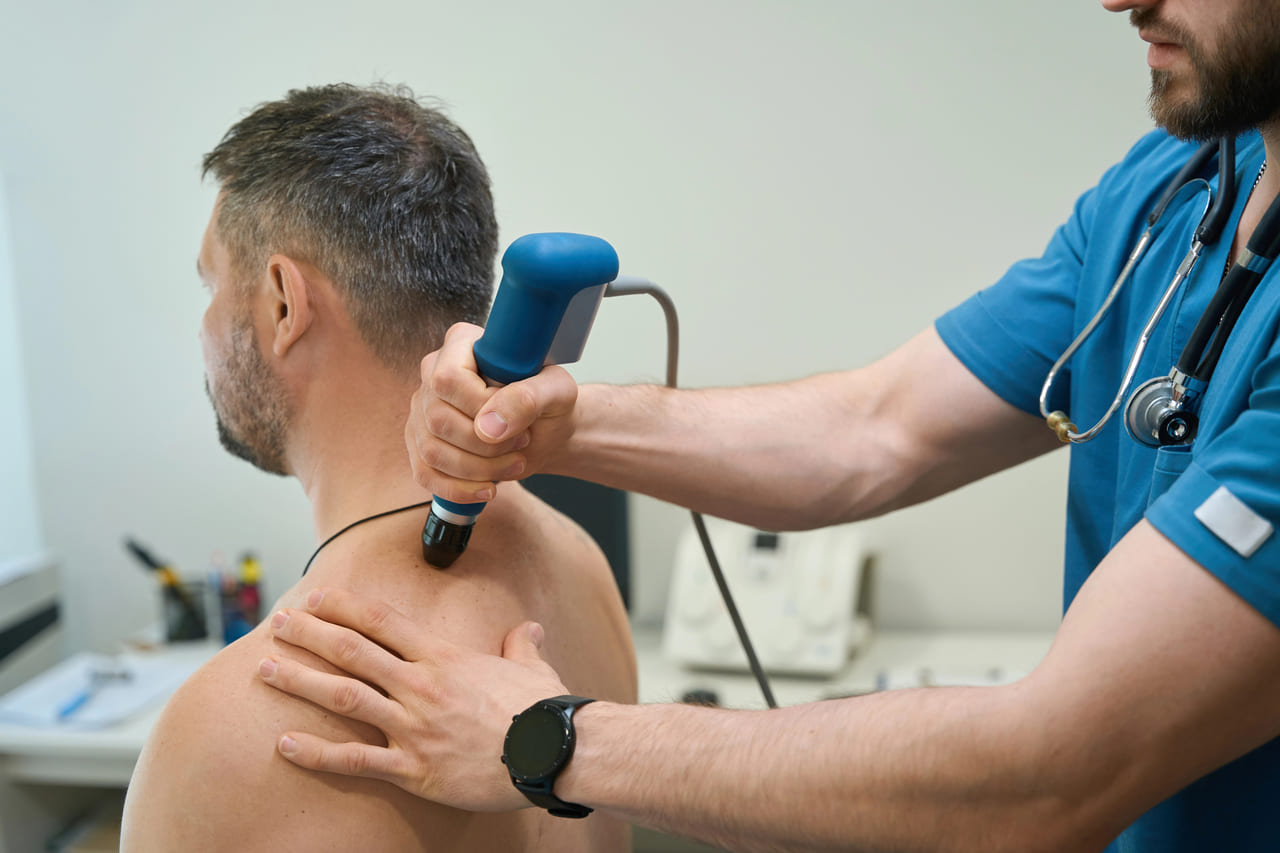
| Application of Device | The practitioner uses a handheld device to deliver shockwaves to the targeted region. |
| Sensations | Individuals may feel slight discomfort or tingling during the session, which is generally well-tolerated. |
| Real-time Adjustments | The practitioner may adjust the intensity and frequency of the waves based on the individual’s comfort and response. |
| Post-Session Advice | After the session, clients may receive guidance on activities to avoid and any additional care recommendations. |
How Long Do The Results Of Shockwave Therapy Last?
The duration of results from shockwave therapy can vary, with many individuals experiencing pain relief and improved function for several months to a year. The long-term effectiveness often depends on the severity of the condition, adherence to post-treatment recommendations, and individual health factors. Typically, individuals notice immediate improvements in pain and mobility, with effects becoming more pronounced as the body continues to respond to the treatment over time. The therapy’s ability to stimulate tissue repair and reduce inflammation contributes to lasting effects. For chronic conditions, maintenance sessions may be recommended to sustain results and prevent recurrence. Consistent follow-up with the healthcare provider ensures that progress is monitored and necessary adjustments to the treatment plan are made. Lifestyle changes and complementary therapies may also enhance and prolong the benefits achieved through shockwave therapy. In summary, while results can vary, shockwave therapy often provides substantial and enduring pain relief, particularly when combined with ongoing care and lifestyle adjustments.Who Is A Good Candidate For Shockwave Therapy For Pain Relief?
Good candidates for shockwave therapy are individuals experiencing chronic or acute musculoskeletal pain, particularly those with conditions like tendonitis or plantar fasciitis. The therapy is suited to those seeking non-invasive treatment options.- Chronic Pain Sufferers: Individuals dealing with long-term pain conditions can benefit from the tissue repair and inflammation reduction offered by shockwave therapy.
- Athletes: Those with sports-related injuries, such as shin splints or tennis elbow, may find relief and enhanced recovery through this therapy.
- Post-Surgical Recovery: Individuals recovering from surgery who are looking to accelerate recovery without additional invasive procedures may consider this option.
- Non-Responders to Other Treatments: Those who have not found relief through conventional methods like medication or physical modalities may find shockwave therapy effective.
- Preference for Non-Invasive Treatment: Individuals who prefer to avoid surgery or long-term medication use may prefer this non-invasive alternative.
- Individuals with Specific Conditions: Those with conditions like calcific shoulder tendinopathy or plantar fasciitis are prime candidates for shockwave therapy.
Pain is No Longer in Control
Shockwave therapy is an innovative and effective approach to pain management and recovery. By targeting the body’s natural recovery processes, it offers individuals a non-invasive alternative for a variety of musculoskeletal conditions. For those seeking relief and enhanced recovery, Boost Physiotherapy in Edmonton provides personalized treatment plans to meet your unique needs. Contact us today to explore how shockwave therapy can help you achieve improved well-being and a pain-free lifestyle.Frequently Asked Questions
Can Shockwave Therapy Be Used After Surgery?
Yes, shockwave therapy can be beneficial post-surgery to enhance recovery by promoting tissue repair and reducing inflammation. It is important to consult with a healthcare provider to determine the appropriate timing and suitability.Does Shockwave Therapy Hurt?
While some individuals may experience mild discomfort during or after treatment, shockwave therapy is generally well-tolerated. The intensity can be adjusted by the practitioner to ensure comfort throughout the session.How Soon Can I Expect Results From Shockwave Therapy?
Many individuals notice improvements after the first few sessions, with more significant results often becoming apparent after completing the recommended course of treatment. The timeline can vary based on the condition and individual response.Is There Any Downtime After Shockwave Therapy?
Shockwave therapy typically requires minimal downtime, allowing individuals to resume normal activities immediately after a session. However, specific post-treatment recommendations should be followed for optimal results.Can Shockwave Therapy Be Combined With Other Treatments?
Yes, shockwave therapy can be effectively combined with other treatments such as physiotherapy, exercise programs, or manual therapies to enhance overall results. It is advisable to coordinate with a healthcare provider for an integrated treatment approach.BY: Laura Schneider
Shockwave Therapy
COMMENTS: No Comments