Post-C-Section Scar Tissue Release: How Pelvic Floor Physiotherapy Helps You Heal
Melissa expected to need some time to recover after her C-section.
But weeks later, her lower belly was tender, her core felt disconnected, and intimacy didn’t feel quite right.
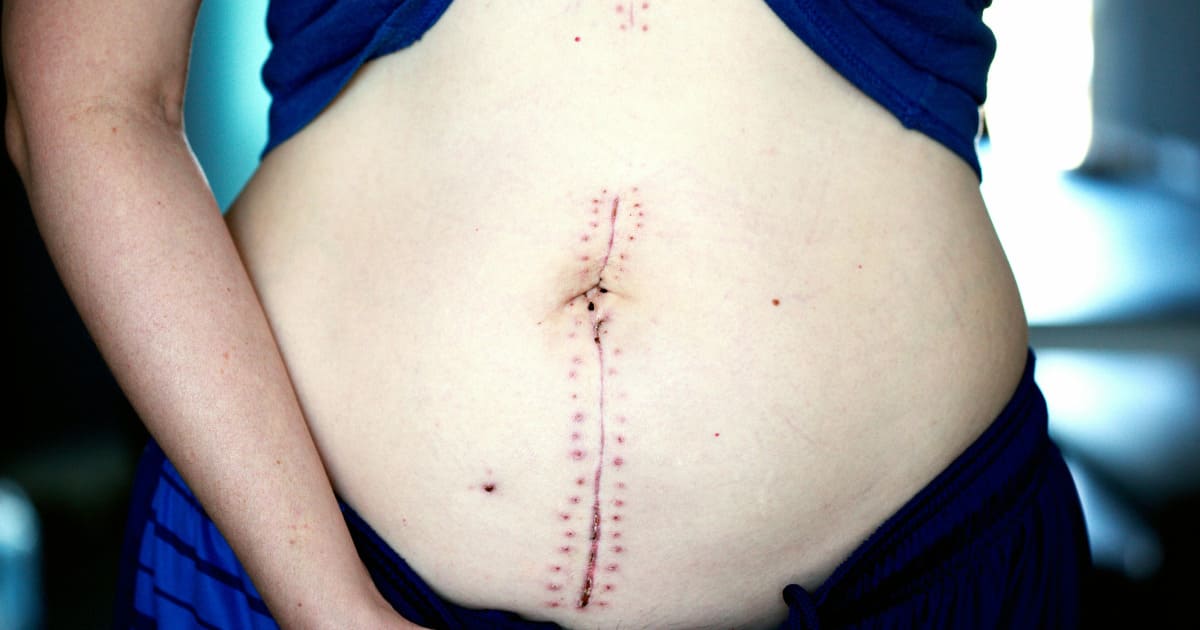
Even though her scar looked fine outside, something under the surface wasn’t healing quite as smoothly. That’s the part no one talks about: scar tissue.
Whether your C-section was planned or emergency, pelvic floor physiotherapy can help you recover fully, not just heal the scar, but rebuild strength, connection, and function from the inside out.
First, Let’s Talk About What Happens During a C-Section
A Cesarean section isn’t just a skin-level surgery. It cuts through seven layers of tissue: skin, fat, fascia, muscle, and uterus, before the baby comes out. The body then has to repair all of that, layer by layer.
In that process, scar tissue forms. That’s normal, but sometimes that scar tissue sticks together too tightly. It can bind to nearby organs, muscles, or fascia. When that happens, you get restrictions from pulling, pain, and a whole list of weird symptoms that might not seem connected to your scar… but are.
Signs Your Scar Tissue Might Need Attention
You don’t need visible issues for scar tissue to be a problem. Some of the most common signs show up weeks or even years later.
Here’s what to look out for:
- Pulling or tightness around your lower belly
- Pain during sex
- Urinary urgency or leakage
- Back, hip, or pelvic pain
- Numbness or hypersensitivity around the scar
- A soft “shelf” of tissue above the scar that feels stuck or thick
These aren’t “just part of being a mom.” They are signs your body is compensating for hidden tension that needs support, not just patience.
One thing I see a lot is moms blaming themselves for how their scar looks or feels months later. That tightness or shelf above the scar often isn’t fat, it’s scar tissue that hasn’t been properly mobilized,” says Parmeet, who practices pelvic floor physiotherapy in Calgary at Brentwood Physio.
 What Does Pelvic Floor Physiotherapy Actually Do?
Pelvic floor physio isn’t just about kegels. It’s about reconnecting your core system, including the scar, fascia, and deep pelvic muscles.
Here’s how it helps:
1. Scar Tissue Release and Mobilization
This is hands-on therapy. A trained pelvic physio gently mobilizes the layers around the scar to reduce restriction, improve blood flow, and help the tissue move more freely. It can also reduce numbness and sensitivity.
After a cesarian delivery, a pelvic health physiotherapist can help you regain sensation, mobility, and reduce pain in your scar. They can also help guide you in regaining your core strength in a safe and effective way.”- Ali Prevost
Some techniques are external, others are internal, but only if you’re comfortable and ready.
2. Pelvic Floor Reconnection
Even if you didn’t deliver vaginally, your pelvic floor stillwent through a lot during pregnancy. Pregnancy itself adds pressure, and abdominal surgery can disrupt the connection between your core and pelvic floor.
Your physio can help you:
- Rebuild pelvic floor strength
- Relearn how to coordinate your breath, core, and pelvic floor
- Address issues like leakage, pressure, or prolapse symptoms
3. Core Retraining (Not Crunches)
You won’t be doing sit-ups. Instead, you’ll focus on reactivating the deep muscles that stabilize your pelvis and spine (like your transverse abdominis).
Expect:
- Gentle breathwork
- Functional movement patterns
- Exercises that build control, not just “abs”
This also helps reduce that lingering belly pooch and makes movement easier.
4. Education and Confidence
A good physio doesn’t just treat you, they teach you.
You’ll learn:
- How to safely stretch and move post-op
- Why some exercises are helpful and others might delay healing
- How to massage your scar at home
- What’s normal, and what’s not
Because the more you understand your healing body, the more confident you’ll feel caring for it.
When Should You Start?
Most pelvic physios recommend starting around 6 weeks postpartum, once your doctor clears you. But even if you’re 6 months or 6 years out from surgery, it’s not too late. Scar tissue can be treated at any stage. If you’re not sure, check out this blog, that talks a lot more about when should you start.
Final Thoughts
Melissa booked her first pelvic physio session at 8 weeks postpartum. She learned how to massage her scar, retrained her breath and pelvic floor, and slowly returned to the exercise she enjoyed. By 4 months, the shelf above her scar had softened. She could lift her baby pain-free and felt like herself again.
C-section recovery isn’t just about closing a wound. It’s about reclaiming your body from the inside out.
Pelvic floor physiotherapy is the missing piece that most new moms didn’t even know they needed.
BY: Laura Schneider
Physiotherapy
COMMENTS: No Comments