
Mastering Micro-Movements: Daily Rituals to Support Joint Health and Mobility Amid Arthritis
TL;DR
Micro-movements are small, intentional movements performed throughout your day that help maintain joint lubrication and reduce stiffness associated with arthritis. Simple daily rituals like gentle stretches, postural shifts, and low-impact exercises such as Tai Chi work alongside physiotherapy to support joint function. These consistent, small movements distribute mechanical load across your joints and promote better mobility over time. ──────────────────────────────────────────────────── You don’t need to let stiff joints dictate your daily activities. Small, intentional movements woven throughout your day create a foundation for maintaining the mobility and comfort you deserve. These micro-movements, combined with strategic lifestyle adjustments, offer you practical tools to support your joint health while complementing your professional physiotherapy care. I understand how frustrating it feels when arthritis tries to put limits on your active lifestyle. The good news is that you have more control than you might think. Through consistent micro-movements and purposeful daily rituals, you’re taking proactive steps to maintain your joint function and keep moving forward with confidence.What Are Micro-Movements and Why Do They Matter for Your Joints?
Micro-movements are small, deliberate motions you perform regularly throughout your day to keep your joints active and mobile. Unlike structured exercise sessions, these movements integrate seamlessly into your routine and require minimal time commitment. Your joints thrive on regular, gentle motion. When you move consistently, synovial fluid circulates more effectively, providing natural lubrication to your cartilage. This process helps reduce the stiffness and discomfort often associated with arthritis. Think of it as keeping your joints well-oiled rather than letting them sit idle. Research supports the value of consistent movement for joint health. Studies show that regular physical activity helps maintain joint function and supports overall mobility in older adults, particularly those managing arthritis symptoms. The beauty of micro-movements lies in their accessibility. You don’t need special equipment or dedicated workout time. These movements work by distributing mechanical load across your joints, preventing any single area from bearing excessive pressure for extended periods.How Do Daily Low-Impact Joint Exercises Support Arthritis Management?
Low-impact joint exercises provide gentle motion that supports your joint health without placing excessive stress on already sensitive areas. These exercises focus on maintaining range of motion, promoting flexibility, and providing light strengthening benefits. Here are practical examples of joint-friendly exercises you can incorporate into your daily routine:- Ankle circles: Rotate your ankles clockwise and counterclockwise while sitting
- Shoulder rolls: Gently roll your shoulders backward and forward
- Neck stretches: Slowly turn your head side to side and up and down
- Finger flexion: Make gentle fists and release, stretching your fingers wide
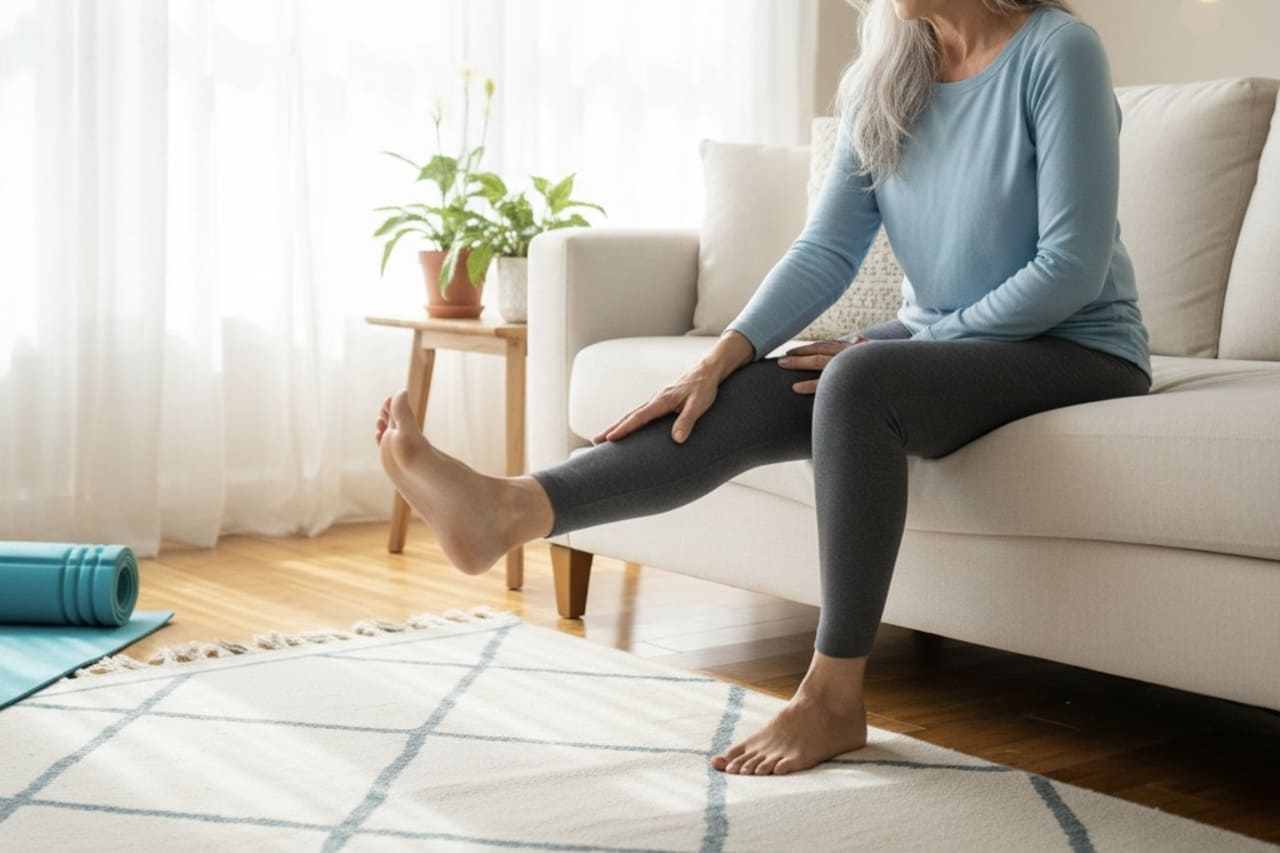
- Knee extensions: Straighten and bend your knee while seated
Why Are Postural Shifts and Movement Rituals Essential?
Prolonged static positions place sustained pressure on your joints, contributing to stiffness and discomfort. Intentional postural shifts and movement rituals help you avoid this prolonged pressure while maintaining joint mobility throughout your day. Your body benefits from regular position changes every 30 to 45 minutes. These shifts don’t need to be dramatic. Simple changes like standing up from your chair, shifting your weight from one foot to another, or adjusting your sitting position all count as valuable micro-movements. Consider incorporating these postural rituals into your daily schedule:- Hourly standing breaks: Stand and take a few steps every hour
- Seated spinal twists: Gently rotate your torso while sitting
- Weight shifting: Alternate bearing weight on different legs while standing
- Desk stretches: Stretch your arms overhead and behind your back
- Walking meetings: Take phone calls while walking when possible
Which Lifestyle Habits Best Support Joint Mobility?
Your daily habits play a significant role in supporting joint health and mobility. Beyond movement, several lifestyle factors contribute to better joint function and overall well-being. Mindful movement awareness helps you tune into your body’s signals and make informed decisions about activity levels. Pay attention to how your joints feel throughout the day and adjust your movements accordingly. This awareness allows you to stay active while respecting your body’s current needs. Proper hydration supports synovial fluid production, which lubricates your joints naturally. Aim for consistent water intake throughout the day rather than drinking large amounts sporadically. Body mechanics matter significantly in your daily activities. Whether you’re lifting groceries, getting out of bed, or climbing stairs, using proper technique reduces unnecessary stress on your joints. Simple adjustments like using larger muscle groups and avoiding twisted positions make meaningful differences. Research indicates that mental wellness and positive outlook support better adherence to physical activity programs in people with inflammatory arthritis. This connection between mental and physical health highlights the importance of addressing both aspects of your well-being. Integrating mindfulness or breathing exercises with your movement rituals provides dual benefits. Deep breathing during gentle stretches helps you relax while promoting better circulation and joint mobility.How Do Micro-Movements Work Alongside Professional Physiotherapy Care?
Micro-movements and daily rituals complement your professional physiotherapy care by extending the benefits of your clinical sessions into your everyday life. While your physiotherapist provides expert assessment, treatment, and guidance, these daily habits help maintain and build upon that clinical care. Your physiotherapy sessions focus on specific therapeutic interventions tailored to your individual needs. These might include manual therapy, targeted exercises, and education about managing your condition. The micro-movements and rituals discussed here support this professional care by keeping your joints active between appointments. Professional physiotherapy care allows for personalized adjustments based on your progress and changing needs. Your physiotherapist monitors your response to treatment and modifies your plan accordingly. This professional oversight ensures you’re progressing safely and effectively toward your mobility goals. The combination of professional care and consistent daily habits creates a comprehensive approach to joint health management. Professional physiotherapy services provide the clinical expertise and hands-on treatment that micro-movements alone cannot replace, while your daily rituals maintain the momentum between sessions. Regular communication with your physiotherapy provider about your daily movement routine helps optimize both aspects of your care. They can suggest specific micro-movements that align with your treatment goals and help you recognize when to modify your activities.Key Takeaways
- Micro-movements are small, intentional motions performed throughout your day that help maintain joint lubrication and reduce arthritis-related stiffness without requiring structured workout time.
- Low-impact exercises like ankle circles, shoulder rolls, and Tai Chi provide gentle motion that supports joint health while distributing mechanical load effectively across your joints.
- Postural shifts every 30-45 minutes prevent prolonged pressure on joints and complement formal physiotherapy care by maintaining benefits between clinical sessions.
- Lifestyle habits including proper hydration, mindful movement awareness, and good body mechanics significantly support joint mobility and overall function.
- Mental wellness and positive outlook improve adherence to physical activity programs, highlighting the importance of addressing both physical and emotional aspects of arthritis management.
- Micro-movements work synergistically with professional physiotherapy care, extending clinical benefits into daily life while allowing for personalized treatment adjustments based on individual progress.
Don’t Let Pain Ruin Your Day
Your journey toward better joint health and mobility starts with the small, consistent actions you take each day. These micro-movements and daily rituals put you back in control, helping you maintain the active lifestyle you value while managing arthritis symptoms effectively. Ready to start incorporating these joint-supporting rituals into your daily routine? Boost Physiotherapy provides expert guidance to help you develop a personalized approach that combines professional care with practical daily strategies. Take the first step toward mastering micro-movements and reclaiming your mobility with confidence.Frequently Asked Questions
What are micro-movements and how can they help with arthritis joint pain?
Micro-movements are small, deliberate motions you perform regularly throughout your day to keep joints active and mobile. They help with arthritis by promoting synovial fluid circulation, which naturally lubricates your joints and reduces stiffness. These movements distribute mechanical load across your joints, preventing excessive pressure buildup in any single area. Unlike formal exercise sessions, micro-movements integrate seamlessly into your daily routine and require minimal time commitment while providing cumulative benefits for joint health.How can I safely incorporate low-impact joint exercises into my daily routine?
Start with simple movements like ankle circles, shoulder rolls, and gentle neck stretches that feel comfortable to you. Begin with short sessions of 2-3 minutes and gradually increase as your confidence grows. Focus on consistency rather than intensity, performing these exercises at regular intervals throughout your day. Always listen to your body and stop if you experience increased pain or discomfort. Consider working with a physiotherapist to ensure your exercise routine aligns with your specific needs and limitations.Are daily postural shifts really effective for improving joint comfort?
Yes, regular postural shifts every 30-45 minutes effectively prevent prolonged pressure on your joints and reduce stiffness. These shifts help maintain joint mobility by avoiding static positions that contribute to discomfort. Simple changes like standing up from your chair, shifting weight between feet, or adjusting your sitting position all provide meaningful benefits. The effectiveness comes from consistency rather than dramatic movements, making postural shifts an accessible and practical strategy for supporting joint comfort throughout your day.BY: Laura Schneider
Physiotherapy
COMMENTS: No Comments