
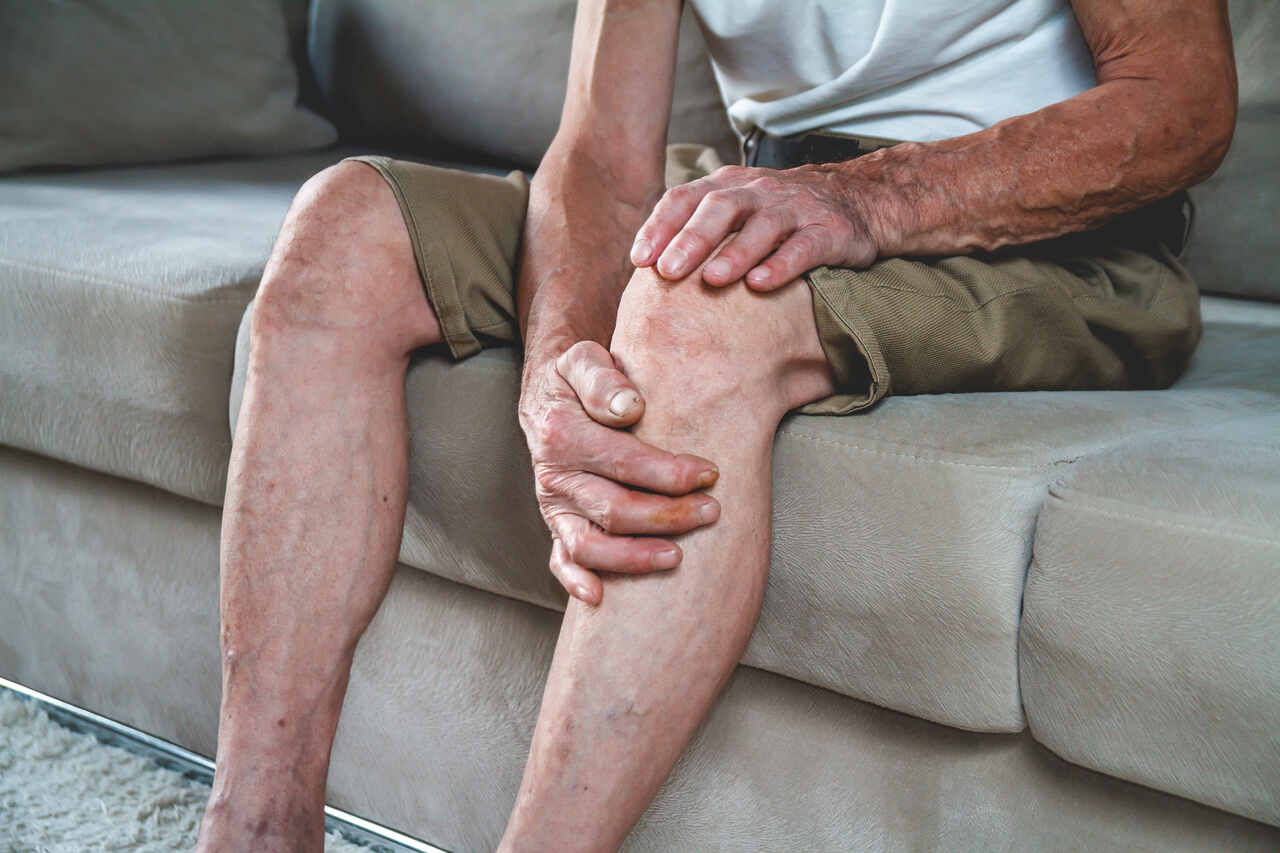
Strengthen and Protect Your Knees: The Role of Physiotherapy
Knee pain is a common issue that can affect people of all ages and activity levels. It can significantly impact your ability to perform daily activities, participate in sports, or maintain an active lifestyle. This blog will explore how physiotherapy can help treat knee pain, what to expect in terms of recovery time, and lifestyle changes to help manage discomfort.Common Causes of Knee Pain
Knee pain can result from various factors, including acute injuries and chronic conditions. Understanding the root cause of knee pain is crucial for effective treatment and recovery. Acute injuries, such as ligament tears (ACL, MCL), meniscus tears, and fractures, often occur during sports or physical activities involving sudden movements, twists, or impacts. Overuse from repetitive stress on the knee joint, as seen in activities like running, jumping, or cycling, can lead to conditions like patellar tendinitis (jumper’s knee) and iliotibial band syndrome (runner’s knee). Osteoarthritis is a degenerative joint disease that gradually breaks down the cartilage in the knee, causing pain, stiffness, and reduced mobility. This condition is more common in older adults but can affect younger individuals as well. Rheumatoid arthritis, an autoimmune condition, causes inflammation in the joints, including the knees, leading to pain, swelling, and eventual joint damage. Bursitis, the inflammation of the bursae (small fluid-filled sacs that cushion the knee joint), can also cause knee pain and often results from repetitive movements or prolonged pressure on the knee. Muscle imbalances, such as weakness or tightness in the muscles around the knee (quadriceps, hamstrings, and calf muscles), can affect the alignment and function of the knee joint, contributing to knee pain.Treating Knee Pain: Physiotherapy Solutions
Physiotherapy is a highly effective treatment option for knee pain, addressing both the symptoms and underlying causes. Here’s how physiotherapy can help:- Pain Relief: Physiotherapists use various techniques, such as manual therapy, and shockwave therapy, to reduce pain and inflammation in the knee. These treatments help alleviate discomfort and improve mobility.
- Strengthening Exercises: Targeted exercises to strengthen the muscles around the knee, particularly the quadriceps, hamstrings, and glutes, are essential for stabilizing the joint and preventing further injury. Strengthening these muscles helps distribute the load more evenly across the knee.
- Stretching and Flexibility: Stretching exercises improve the flexibility of the muscles and tendons surrounding the knee. Enhanced flexibility reduces strain on the knee joint and improves overall function.
- Range of Motion Exercises: These exercises aim to restore the knee’s full range of motion, helping you regain normal movement patterns and prevent stiffness.
- Balance and Proprioception: Balance exercises help improve your proprioception (awareness of your body’s position in space) and coordination. Better balance reduces the risk of falls and further injuries.
- Education and Self-Management: Physiotherapists provide valuable education on proper body mechanics, posture, and ergonomics. They also offer guidance on lifestyle modifications and home exercises to support long-term knee health.
Physiotherapy for Knee Pain: Recovery Timeline Explained
The timeline for seeing improvements in knee pain with physiotherapy varies based on the severity of the condition, the individual’s overall health, and their adherence to the treatment plan. Most people start to notice significant improvements within a few weeks of starting physiotherapy. For acute injuries like ligament or meniscus tears, improvement may be seen within 4 to 6 weeks, though full recovery might take several months depending on the extent of the injury and the treatment approach. Overuse injuries, such as patellar tendinitis or iliotibial band syndrome, typically show improvement within 6 to 8 weeks with consistent physiotherapy and adherence to prescribed exercises. Chronic conditions like osteoarthritis or rheumatoid arthritis may require ongoing physiotherapy to manage symptoms and maintain function. Improvement in pain and mobility can be observed within a few weeks, but long-term management is often necessary. For those recovering from knee surgery, such as ACL reconstruction or knee replacement, the rehabilitation process can take several months. Physiotherapy is crucial in restoring strength, flexibility, and function during this period, helping individuals achieve a successful recovery.How Physiotherapy Helps Prevent the Recurrence of Knee Pain
Physiotherapy is not only effective in treating existing knee pain but also plays a crucial role in preventing its recurrence. By addressing the root causes of knee pain and implementing preventive strategies, physiotherapy helps maintain knee health and reduce the risk of future injuries.- Strengthening Weak Muscles: Weak muscles around the knee, such as the quadriceps, hamstrings, and glutes, can contribute to knee pain and instability. Physiotherapists design targeted exercise programs to strengthen these muscles, providing better support to the knee joint and preventing overuse injuries.
- Improving Flexibility: Tight muscles and tendons can place additional stress on the knee joint, leading to pain and dysfunction. Stretching exercises prescribed by physiotherapists improve the flexibility of these structures, reducing the likelihood of strain and injury.
- Enhancing Balance and Proprioception: Poor balance and proprioception can increase the risk of falls and subsequent knee injuries. Physiotherapy includes balance training exercises that enhance proprioceptive abilities, making it easier to navigate uneven surfaces and maintain stability during activities.
- Correcting Biomechanical Issues: Abnormal gait patterns, poor posture, and improper movement mechanics can all contribute to knee pain. Physiotherapists assess these issues and provide corrective exercises and techniques to improve alignment and movement patterns, reducing the risk of recurring knee problems.
- Educating Clients: Physiotherapists educate you about proper body mechanics, posture, and ergonomics, empowering you to make informed choices that protect your knee health. This education extends to everyday activities, such as lifting, bending, and even sitting.
Lifestyle Changes to Support Knee Pain Management
Incorporating certain lifestyle changes can significantly enhance the effectiveness of physiotherapy in managing knee pain. These changes support the treatment process and contribute to long-term knee health.- Maintain a Healthy Weight: Excess body weight puts additional stress on the knee joints, exacerbating pain and increasing the risk of injury. Maintaining a healthy weight through a balanced diet and regular exercise can reduce this strain and improve overall knee function.
- Stay Active: Regular physical activity is essential for keeping the muscles around the knee strong and flexible. Low-impact exercises, such as swimming, cycling, and walking, are excellent options for maintaining fitness without placing excessive stress on the knees.
- Wear Proper Footwear: Supportive shoes that provide adequate cushioning and arch support can help distribute pressure evenly across the feet and reduce strain on the knees. Avoid high heels and shoes with poor support, especially during physical activities.
- Practice Good Posture: Proper posture, both while standing and sitting, can help alleviate knee pain and prevent further issues. Physiotherapists can provide guidance on maintaining good posture throughout daily activities.
- Avoid Prolonged Inactivity: Long periods of inactivity can lead to muscle stiffness and joint discomfort. Take regular breaks to stand, stretch, and move around, especially if you have a sedentary job or lifestyle.
- Listen to Your Body: Pay attention to your body’s signals and avoid pushing through pain during activities. Rest when needed and consult your physiotherapist if you experience any new or worsening symptoms.
Stop Living in Pain
Physiotherapy is a highly effective approach for treating and preventing knee pain. By addressing the underlying causes and implementing personalized treatment plans, physiotherapists help clients achieve pain relief, improved function, and long-term knee health. Incorporating supportive lifestyle changes further enhances the benefits of physiotherapy and contributes to overall well-being. If you’re experiencing knee pain or looking to prevent its recurrence, Boost Physiotherapy in Edmonton is here to help. Our experienced physiotherapists offer comprehensive care tailored to your specific needs. Contact us today to schedule an appointment and we’ll support you on your journey to optimal knee health.BY: Laura Schneider
Physiotherapy
COMMENTS: No Comments