
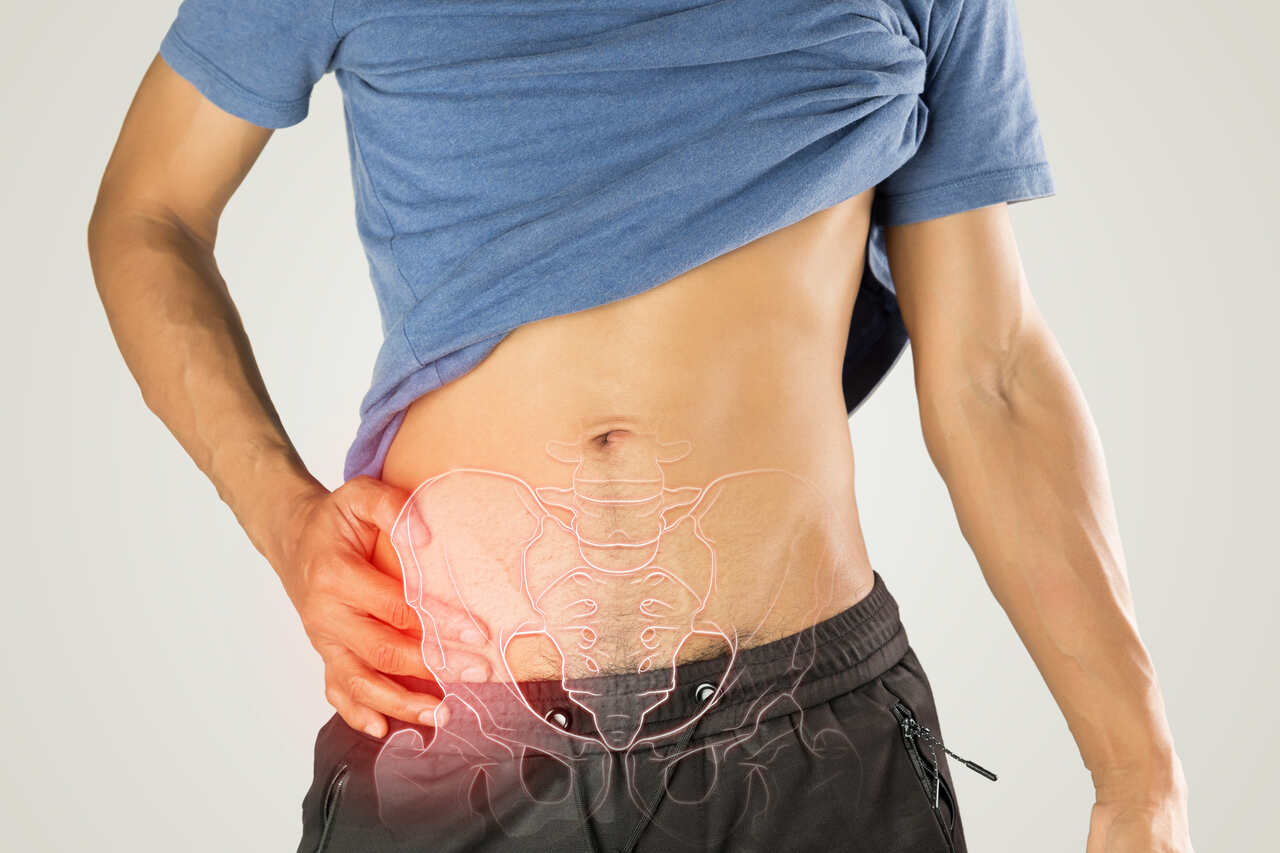
Hip Pain No More: Transform with Tailored Physiotherapy Solutions
Understanding Hip Pain
Hip pain can significantly impact your day-to-day activities, making it crucial to understand its common causes and effects. Recognizing these factors can guide you toward effective physiotherapy solutions.
Common Causes of Hip Pain
Hip pain can arise from various sources, each affecting the joint differently. Understanding these common causes can help you identify the underlying issues and seek appropriate physiotherapy treatment.
- Arthritis: Osteoarthritis and rheumatoid arthritis are common culprits, leading to inflammation and joint damage.
- Hip Fractures: Often resulting from falls or accidents, fractures can be particularly painful and require immediate medical attention.
- Bursitis: Inflammation of the bursae, the small fluid-filled sacs that cushion the hip joint, leading to pain and discomfort.
- Tendinitis: Inflammation of tendons around the hip, usually caused by overuse or repetitive stress.
- Muscle Strains: Overstretching or tearing of muscles surrounding the hip joint can cause significant pain.
- Labral Tear: Damage to the ring of cartilage (labrum) that follows the outside rim of the hip joint socket.
- Sciatica: Pain that radiates from the lower back to the hip, often due to a compressed nerve.
| Cause | Description |
|---|---|
| Arthritis | Inflammation and joint damage from osteoarthritis or rheumatoid arthritis |
| Hip Fractures | Breaks in the hip bone, often due to falls or trauma |
| Bursitis | Inflammation of the bursae (fluid-filled sacs) |
| Tendinitis | Inflammation of tendons around the hip |
| Muscle Strains | Overstretching or tearing of hip-related muscles |
| Labral Tear | Damage to the cartilage ring in the hip joint |
| Sciatica | Radiating pain from lower back to the hip |
Impact of Hip Pain on Daily Life
Living with hip pain affects multiple aspects of your daily routine. It’s essential to address these impacts with tailored physiotherapy for hip pain to improve your quality of life.
- Mobility Issues: Hip pain can severely restrict your ability to walk, climb stairs, or perform other basic movements.
- Sleep Disruptions: Pain while lying down can interrupt your sleep, leading to fatigue and affecting overall health.
- Work Limitations: Those with physically demanding jobs may find it difficult to perform their duties effectively.
- Exercise Challenges: Physical activities, especially those involving lower body movements, become challenging or impossible.
- Emotional Well-being: Chronic pain can lead to stress, anxiety, and depression, impacting your mental health.
The debilitating effects of hip pain underscore the importance of seeking professional help. A physiotherapist can provide a comprehensive assessment, diagnose the root cause, and help develop a personalized treatment plan. For more information on related topics, visit our articles on physiotherapy for knee pain and physiotherapy for arthritis.
Benefits of Physiotherapy for Hip Pain
If you’re experiencing hip pain, physiotherapy can be an effective solution to alleviate your discomfort and improve your quality of life.
How Physiotherapy Can Help
Physiotherapy for hip pain focuses on a combination of techniques to reduce pain, increase mobility, and strengthen the muscles around the hip joint. A skilled physiotherapist will assess your condition and create a personalized treatment plan tailored to your needs.
Key benefits of physiotherapy include:
- Pain Relief: Techniques like manual therapy and therapeutic exercises can reduce pain and inflammation in the hip area.
- Improved Mobility: Mobility exercises help restore a full range of motion, making daily activities easier and less painful.
- Strengthening: Targeted exercises build muscle strength around the hip joint, providing better support and stability.
For additional details on various therapies, consider exploring physiotherapy treatment.
Importance of Tailored Solutions
Tailored physiotherapy solutions are crucial because everyone experiences hip pain differently. A personalized approach ensures that your treatment plan addresses your specific symptoms, the root cause of your pain, and your overall health needs.
Important factors considered in tailored plans include:
- Individual Assessment: Your physiotherapist will perform a comprehensive evaluation to understand your specific condition, including the nature of your hip pain and any contributing factors.
- Custom Exercises: Exercises will be designed to address your unique muscular imbalances, flexibility issues, and overall strength.
- Progress Monitoring: Regular follow-ups help adjust your treatment plan as needed to ensure optimal progress.
| Factors in Tailored Treatment | Description |
|---|---|
| Individual Assessment | Comprehensive evaluation to understand specific condition |
| Custom Exercises | Personalized exercises for muscular balance and overall strength |
| Progress Monitoring | Regular follow-ups to adjust the treatment plan |
Physiotherapy treatment plans also consider the nature of your activities. For example, if you’re an athlete, solutions may incorporate sports physiotherapy techniques.
By focusing on your individual needs, tailored physiotherapy ensures that you receive the best possible care for your hip pain. Always consult with a qualified physiotherapist to design a suitable treatment plan. For more information on finding a reliable clinic, visit our page on physiotherapy clinic.
Assessment and Diagnosis
Initial Evaluation by a Physiotherapist
When you first visit a physiotherapist for hip pain, the initial evaluation is a critical step in understanding the root cause of your discomfort. During this assessment, your physiotherapist will conduct a thorough review of your medical history and ask you about the specifics of your hip pain.
They will inquire about:
- The onset and duration of your pain
- Any activities that exacerbate or alleviate your pain
- Your daily routines and any relevant lifestyle factors
Next, a physical examination will be performed. This examination often includes:
- Observation of your posture and gait
- Range of motion tests
- Strength assessments
- Palpation to identify tender points
- Functional movement analysis
The goal is to identify any imbalances, weaknesses, or abnormalities that may contribute to your hip pain. This comprehensive evaluation helps inform the creation of a tailored physiotherapy treatment plan designed specifically for you.
Diagnostic Techniques for Hip Pain
Accurate diagnosis is essential for effective physiotherapy for hip pain. Various diagnostic techniques are employed by physiotherapists to pinpoint the exact cause of your hip pain. Common diagnostic tools and techniques include:
- Range of Motion (ROM) Testing:
- Measures the movement of your hip joint in different directions.
- Helps identify stiffness or restriction.
- Manual Palpation:
- The physiotherapist uses their hands to feel for tenderness, swelling, or anatomical irregularities.
- Identifies specific areas of pain and discomfort.
- Special Tests:
- Includes tests like the FABER test, Thomas test, and Ober’s test.
- Helps distinguish between different types of hip issues, such as muscular problems or joint labrum tears.
- Functional Screening:
- Assesses your ability to perform daily activities and movements.
- Identifies how hip pain affects your daily life and functional capabilities.
When necessary, your physiotherapist may recommend additional diagnostic imaging techniques such as X-rays, MRI, or ultrasound to obtain a more detailed view of the structures within your hip. These imaging tools can help detect:
- Bone abnormalities
- Cartilage damage
- Tendon or ligament injuries
- Inflammatory conditions
| Diagnostic Technique | Purpose | Notes |
|---|---|---|
| Range of Motion Testing | Measures joint movement | Identifies stiffness |
| Manual Palpation | Feels for tenderness | Pinpoints pain areas |
| Special Tests | Differentiate hip issues | E.g., FABER test |
| Functional Screening | Assesses activity impact | Daily life assessment |
By leveraging these diagnostic techniques, your physiotherapist can develop a personalized treatment plan with targeted therapeutic exercises and interventions to alleviate your hip pain effectively. If you’re looking for a detailed evaluation, consider visiting a local physiotherapy clinic.
Physiotherapy Treatment Options
When dealing with hip pain, physiotherapy offers a range of treatment options designed to alleviate pain and promote healing. These treatments include manual therapy techniques and therapeutic exercises specifically tailored to your needs.
Manual Therapy Techniques
Manual therapy involves hands-on techniques that a physiotherapist uses to manipulate and mobilize your hip joint and surrounding muscles. These techniques aim to reduce pain, improve mobility, and restore function. Some common manual therapy techniques include:
- Soft Tissue Mobilization: This technique focuses on relieving tightness in the muscles and fascia surrounding the hip joint.
- Joint Mobilization: Gentle, passive movements applied to the hip joint to increase its range of motion.
- Myofascial Release: A method of applying sustained pressure to the myofascial connective tissue to alleviate pain and improve mobility.
- Trigger Point Therapy: This technique targets specific areas of muscle tightness, often referred to as trigger points, to release tension and reduce pain.
Therapeutic Exercises for Hip Pain
Therapeutic exercises are a cornerstone of physiotherapy for hip pain. These exercises are designed to strengthen the muscles around the hip, improve flexibility, and enhance stability. Here are some effective therapeutic exercises that can help:
| Exercise Type | Purpose | Example |
|---|---|---|
| Strengthening Exercises | Builds muscle strength around the hip joint | Hip Bridges, Leg Raises |
| Stretching Exercises | Improves flexibility and range of motion | Hip Flexor Stretch, Piriformis Stretch |
| Balance Exercises | Enhances stability and balance | Single-Leg Stands, Stability Ball Exercises |
| Aerobic Exercises | Boosts overall cardiovascular health | Walking, Swimming |
For detailed instructions and additional exercises, visit our page on physiotherapy exercises.
By integrating manual therapy techniques and therapeutic exercises into your treatment plan, you can effectively manage your hip pain and enhance your quality of life. For more information on various physiotherapy treatments, explore our article on physiotherapy treatment or visit a physiotherapy clinic near you.
Lifestyle Modifications for Hip Health
Making lifestyle changes can significantly impact your hip health and enhance the efficacy of physiotherapy for hip pain. Below are essential lifestyle modifications to consider.
Hip-Friendly Activities
Engaging in activities that support and strengthen your hip muscles can minimize pain and improve mobility. Focus on low-impact exercises that reduce strain on your hips.
| Activity | Benefits for Hip Health |
|---|---|
| Swimming | Provides full-body workout without putting stress on the joints. |
| Walking | Strengthens hip muscles and improves cardiovascular health. |
| Cycling | Enhances hip mobility and endurance while being gentle on the joints. |
| Yoga | Increases flexibility and strengthens the hip muscles through controlled movements. |
| Pilates | Focuses on core stability, which supports hip alignment and strength. |
Ergonomic Considerations
Ensuring that your daily environment is hip-friendly can prevent strain and discomfort. Make ergonomic adjustments in your workspace, at home, and during activities.
- Proper Seating: Use chairs with adequate lumbar support and avoid sitting for prolonged periods. Consider standing desks for variation.
- Lifting Techniques: Bend at the knees, not the waist, when lifting objects. Keep the load close to your body.
- Sleeping Positions: Use a supportive mattress and pillows to maintain hip alignment. Sleeping on your side with a pillow between your knees can help.
- Footwear Choices: Wear shoes that provide good arch support and cushioning to reduce the impact on your hips.
- Workstations: Adjust the height of your desk and chair to maintain a neutral spine and reduce hip strain. Ensure your monitors are at eye level to avoid leaning forward.
Incorporating these adjustments can enhance your quality of life and complement your physiotherapy treatment plan. For more specific activities and exercises, consider consulting resources on physiotherapy exercises.
By integrating hip-friendly activities and ergonomic considerations into your daily routine, you can support your hip health and reduce the need for frequent physiotherapy visits. For individualized advice, visit your local physiotherapy clinic or search for physiotherapy near me.
Long-Term Management and Prevention
Effective long-term management and prevention strategies are vital for maintaining hip health and avoiding future pain. This section will explore follow-up care and maintenance, along with strategies to prevent hip pain from recurring.
Follow-Up Care and Maintenance
Consistent follow-up care is crucial in the journey of managing hip pain through physiotherapy. Regular sessions with your physiotherapist can help monitor your progress and adapt your treatment plan as needed. Here are essential aspects of follow-up care:
- Progress Tracking: Your physiotherapist will assess improvements in pain levels, mobility, and strength.
- Adjustments: Treatment plans will be revised based on your recovery rate and specific needs.
- Support: Ongoing support and motivation to adhere to your exercise routine.
Examples of follow-up schedules might include:
| Follow-Up Schedule | Frequency |
|---|---|
| Initial Phase | Weekly |
| Progress Phase | Bi-weekly |
| Maintenance Phase | Monthly |
Consistency in these sessions can significantly impact your overall recovery.
Strategies for Preventing Future Hip Pain
Preventing future hip pain involves adopting lifestyle changes and incorporating hip-friendly habits into your daily routine. Here are some effective strategies:
- Regular Exercise: Engage in activities that strengthen the muscles surrounding the hip joint. This improves stability and reduces strain on the hip.
- Stretching: Incorporate daily stretches targeting the hip to maintain flexibility.
- Weight Management: Maintaining a healthy weight can reduce stress on the hip joints.
- Ergonomic Considerations: Ensure your workspace is ergonomically optimized to prevent undue stress on your hips. This could include adjusting your chair height, using footrests, and ensuring proper posture.
A table summarizing hip-friendly activities can be useful:
| Activity Type | Examples |
|---|---|
| Low-Impact Aerobics | Swimming, walking, cycling |
| Strength Training | Resistance bands, light weights |
| Flexibility Exercises | Yoga, pilates |
By integrating these strategies into your lifestyle, you can enhance your hip health and mitigate the risk of future discomfort.
For more information on specific physiotherapy treatments, visit our articles on physiotherapy treatment and physiotherapy exercises. If you’re looking for a clinic, see our guide on finding physiotherapy near me.
BY: Laura Schneider
Physiotherapy Cluster
COMMENTS: No Comments