
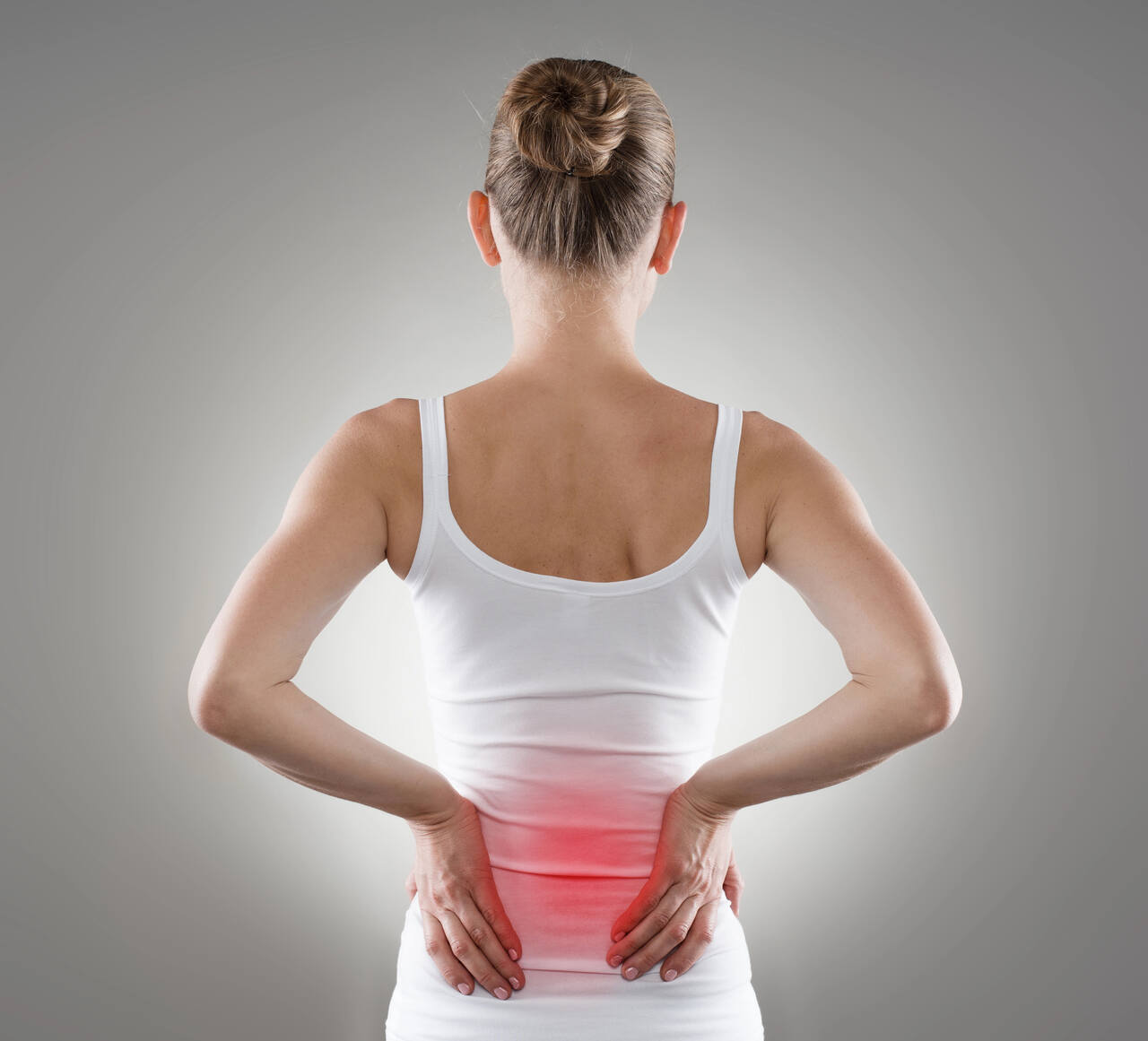
Say Goodbye to Discomfort: Effective Physiotherapy for Back Pain
Understanding Back Pain
Common Causes of Back Pain
Back pain is a prevalent issue that can stem from various sources. Understanding the common causes can help you identify the root of your discomfort and seek appropriate care. Here are some frequent culprits:
- Muscle or Ligament Strain: Heavy lifting or sudden movements can strain your back muscles and spinal ligaments.
- Bulging or Ruptured Discs: Discs act as cushions between the vertebrae in your spine. When these discs bulge or rupture, they can press on nerves.
- Arthritis: Osteoarthritis can affect the lower back, leading to narrowing of the space around the spinal cord.
- Skeletal Irregularities: Conditions like scoliosis, in which your spine curves to the side, can lead to back pain.
- Osteoporosis: Your bones, including the vertebrae in your spine, can develop painful fractures if they become porous and brittle.
Impact of Back Pain on Daily Life
Back pain can significantly hinder your daily activities and overall quality of life. The discomfort can range from a dull, constant ache to sudden, sharp pain, which may make it challenging to perform even simple tasks. Here’s how back pain can affect your day-to-day life:
- Mobility Issues: Difficulty in bending, lifting, or standing for prolonged periods.
- Work Absenteeism: Frequent absence from work due to pain, affecting productivity and financial stability.
- Sleep Disturbances: Trouble finding a comfortable sleeping position, leading to insomnia.
- Emotional Impact: Chronic pain can lead to stress, anxiety, and depression, exacerbating the physical symptoms.
- Social Activities: Decreased involvement in social or recreational activities due to discomfort.
| Impact Area | Symptoms |
|---|---|
| Mobility | Difficulty bending, lifting, standing |
| Work | Increased absenteeism, reduced productivity |
| Sleep | Trouble sleeping, insomnia |
| Emotional Well-being | Stress, anxiety, depression |
| Social Life | Reduced participation in activities |
Understanding these impacts underscores the importance of effective treatment. Physiotherapy is a proven approach to managing back pain and improving your quality of life. To explore how physiotherapy can help, visit our pages on physiotherapy treatment and finding a physiotherapy clinic.
For more specific conditions related to back pain, you might find our articles on physiotherapy for sciatica or physiotherapy for scoliosis useful.
Role of Physiotherapy
Physiotherapy plays a crucial role in alleviating back pain and improving your overall quality of life. Through a combination of specialized techniques and exercises, physiotherapists can help you manage and reduce back pain effectively.
How Physiotherapy Helps with Back Pain
Physiotherapy employs various strategies to address the underlying causes of back pain. Understanding how physiotherapy helps can guide you in making informed decisions about your treatment options.
- Pain Management: Techniques such as manual therapy, ultrasound, and electrical stimulation can help reduce pain.
- Improving Mobility: Stretching and strengthening exercises enhance your range of motion and flexibility.
- Correcting Posture: Postural training helps you maintain proper alignment, reducing strain on your back.
- Strengthening Muscles: Targeted exercises build the muscles that support your spine, reducing the risk of future pain.
- Education: Physiotherapists provide valuable advice on proper movement and ergonomics to prevent back pain recurrence.
Benefits of Physiotherapy for Back Pain
The benefits of physiotherapy for back pain are multifaceted. From immediate pain relief to long-term prevention, here’s how physiotherapy can significantly improve your condition:
| Benefit | Explanation |
|---|---|
| Pain Relief | Immediate reduction in pain through manual therapy and modalities. |
| Improved Function | Enhanced ability to perform daily activities with improved mobility. |
| Personalized Care | Customized treatment plans tailored to your specific condition. |
| Non-Invasive | An alternative to surgery, focusing on holistic and less invasive treatments. |
| Education and Training | Learn exercises and strategies to prevent future back pain. |
By addressing the root causes and symptoms, physiotherapy offers a comprehensive approach to managing back pain. Whether you need physiotherapy near me or are dealing with specific conditions like physiotherapy for sciatica or physiotherapy for frozen shoulder, the personalized care and expert guidance of a physiotherapist can make a significant difference in your recovery journey. For tailored exercises and techniques, explore our guide on physiotherapy exercises.
Types of Physiotherapy Techniques
Physiotherapy offers various techniques to address different types of back pain. Understanding these methods can help you choose the most effective approach for your condition.
Manual Therapy
Manual therapy involves hands-on techniques to mobilize and manipulate your muscles and joints. Techniques used in manual therapy aim to reduce pain and improve flexibility by addressing the underlying issues causing discomfort.
| Technique | Description | Benefits |
|---|---|---|
| Joint Mobilization | Gentle, slow movements to increase range of motion | Improves flexibility |
| Soft Tissue Mobilization | Focused on muscles and soft tissues to relieve tension | Reduces muscle tightness |
| Spinal Manipulation | Quick, controlled thrusts to adjust spinal joints | Alleviates pain |
Exercise Therapy
Exercise therapy is designed to strengthen your muscles, improve flexibility, and enhance overall functional movement. Tailored to your specific needs, these exercises help in the long-term management of back pain.
| Exercise Type | Description | Benefits |
|---|---|---|
| Stretching Exercises | Focus on lengthening muscles | Increases flexibility |
| Strengthening Exercises | Aim to build muscle strength | Supports spinal alignment |
| Aerobic Exercises | Low-impact activities like walking or swimming | Improves cardiovascular health |
Explore more exercises in our detailed guide on physiotherapy exercises.
Modalities Used in Physiotherapy
Modalities are additional tools and techniques used to complement manual and exercise therapies. These modalities can provide immediate relief from pain and inflammation, aiding in faster recovery.
| Modality | Description | Benefits |
|---|---|---|
| Ultrasound Therapy | Uses sound waves to penetrate deep tissues | Reduces inflammation |
| Electrical Stimulation | Sends mild electrical currents to targeted areas | Alleviates pain |
| Heat and Cold Therapy | Varying temperature applications to affected areas | Manages swelling and discomfort |
Understanding the various physiotherapy methods can help you find the most suitable treatment for your back pain. Consulting a qualified physiotherapist ensures that you receive a tailored treatment plan, maximizing the benefits of these techniques. For more information, visit our physiotherapy treatment section.
Finding the Right Physiotherapist
Choosing the right physiotherapist is crucial for effective back pain management. Here are some key aspects to consider.
Qualifications and Credentials
When searching for a physiotherapist to help with your back pain, it’s important to verify their qualifications and credentials. A well-qualified physiotherapist typically holds a degree in physical therapy and is licensed to practice. They may also have additional certifications in specific areas of physiotherapy.
| Qualification | Description |
|---|---|
| Degree in Physical Therapy | A Bachelor’s or Master’s degree in physical therapy from an accredited institution. |
| State License | Official license to practice physiotherapy within the state. |
| Additional Certifications | Specialty certifications in areas like sports physiotherapy or manual therapy. |
Verifying these credentials ensures that the physiotherapist has undergone rigorous training and is competent to treat your condition.
Experience with Back Pain Patients
Experience is another crucial factor. A physiotherapist with extensive experience treating back pain is more likely to understand the complexities of your condition and to develop an effective treatment plan.
Look for a physiotherapist who has:
- Specialized experience in treating back pain.
- Worked with patients who have similar conditions, such as physiotherapy for sciatica or physiotherapy for scoliosis.
- Positive testimonials or reviews from other back pain patients.
Additionally, some physiotherapists may specialize in certain techniques that are beneficial for back pain, such as manual therapy or physiotherapy exercises specifically designed for spinal issues.
| Criteria | Details |
|---|---|
| Specialization | Expertise in back pain management treatments. |
| Patient Reviews | Testimonials from individuals treated for back pain. |
| Associated Conditions | Experience with conditions related to back pain, like physiotherapy for sciatica. |
Selecting a physiotherapist with the right qualifications and relevant experience can greatly enhance your recovery process and ensure that you receive comprehensive, effective care. Always consider these factors when choosing a physiotherapist to guide you through your back pain journey. For more tips and guidance, explore our detailed articles on physiotherapy treatment and related therapies.
The Physiotherapy Process
Understanding the physiotherapy process can help you navigate through your journey of managing back pain effectively. Here we discuss the essential stages involved.
Initial Assessment
Your initial assessment is a critical step in your physiotherapy journey. During this session, your physiotherapist will conduct a thorough evaluation to understand the root cause of your back pain. They will review your medical history, ask about your symptoms, and perform a physical examination to assess your posture, range of motion, and muscle strength.
Key Components of Initial Assessment:
- Medical history review
- Symptom discussion
- Physical examination
| Assessment Component | Details |
|---|---|
| Medical History | Past injuries, surgeries, chronic conditions |
| Symptom Discussion | Pain location, intensity, frequency, triggers |
| Physical Examination | Posture analysis, range of motion tests, muscle strength assessment |
Customized Treatment Plan
Based on the initial assessment, your physiotherapist will design a customized treatment plan tailored to your specific needs. This plan will focus on addressing the root cause of your pain and improving your overall functional ability. The treatment plan may include a combination of manual therapy, exercise therapy, and various modalities.
Components of a Customized Treatment Plan:
- Manual Therapy
- Exercise Therapy
- Modalities
For more details on the techniques used, check out our article on physiotherapy treatment.
Monitoring Progress and Adjustments
Monitoring your progress is essential to ensure the effectiveness of your treatment plan. During follow-up sessions, your physiotherapist will evaluate your improvement and make necessary adjustments to your plan. This may involve modifying exercises, introducing new techniques, or changing the frequency of sessions to better suit your evolving needs.
| Monitoring Aspect | Frequency | Adjustment Criteria |
|---|---|---|
| Progress Evaluation | Every 2-4 weeks | Pain reduction, increased range of motion |
| Plan Adjustments | As needed | Response to treatment, patient feedback |
Consistent monitoring and timely adjustments help optimize your recovery process. Explore our collection of physiotherapy exercises for additional resources to support your therapy at home.
For those searching for specialized care, consider visiting a physiotherapy clinic, or use our guide on finding physiotherapy near me.
At-Home Tips for Managing Back Pain
While professional physiotherapy is crucial for addressing back pain, there are several strategies you can adopt at home to help manage discomfort and improve your overall well-being. These tips focus on maintaining proper posture, performing recommended exercises, and implementing self-care strategies.
Proper Posture Maintenance
Maintaining proper posture is essential in preventing and alleviating back pain. Poor posture can strain your spine and contribute to discomfort. Here are some tips to help you maintain good posture:
- Sit Right: Ensure your back is straight, shoulders are relaxed, and feet are flat on the ground. Use a chair with good lumbar support.
- Stand Tall: Keep your weight evenly distributed on both feet, tuck your stomach in, and align your head with your spine.
- Lift Properly: Bend at your knees and keep the object close to your body while lifting. Avoid twisting your back.
Recommended Exercises
Regular exercise helps to strengthen your back, improve flexibility, and reduce pain. Incorporating specific physiotherapy exercises into your routine can be beneficial. Here are a few exercises recommended for back pain:
Stretching Exercises
- Cat-Cow Stretch: Kneel on all fours. Arch your back towards the ceiling (cat), then dip it towards the floor (cow). Repeat 10 times.
- Child’s Pose: Kneel and sit back on your heels with your arms extended forward, stretching your back. Hold for 30 seconds.
Strengthening Exercises
- Bridges: Lie on your back with your knees bent. Lift your hips towards the ceiling, forming a straight line from shoulders to knees. Hold for 5 seconds and repeat 10 times.
- Bird-Dog: Start on all fours. Extend your right arm and left leg simultaneously, hold for a few seconds, and switch to the opposite side. Repeat 10 times each side.
For a more comprehensive list of exercises, you can refer to our article on physiotherapy exercises.
Self-Care Strategies for Pain Relief
Incorporating self-care strategies into your daily routine can help manage back pain. These approaches are designed to minimize discomfort and promote healing.
- Use Heat or Cold Therapy: Apply a warm compress or ice pack to the affected area for 15-20 minutes.
- Stay Active: Avoid prolonged bed rest. Engage in light activities to keep your muscles active.
- Practice Relaxation Techniques: Techniques such as deep breathing, meditation, and yoga can help in reducing stress, which in turn, might alleviate pain.
By integrating these at-home tips with your physiotherapy routine, you can effectively manage your back pain and improve your quality of life. For more information on how physiotherapy can benefit specific conditions, explore our other articles such as physiotherapy for sciatica, physiotherapy for shoulder pain, and physiotherapy for neck pain.
BY: Laura Schneider
Physiotherapy Cluster
COMMENTS: No Comments