
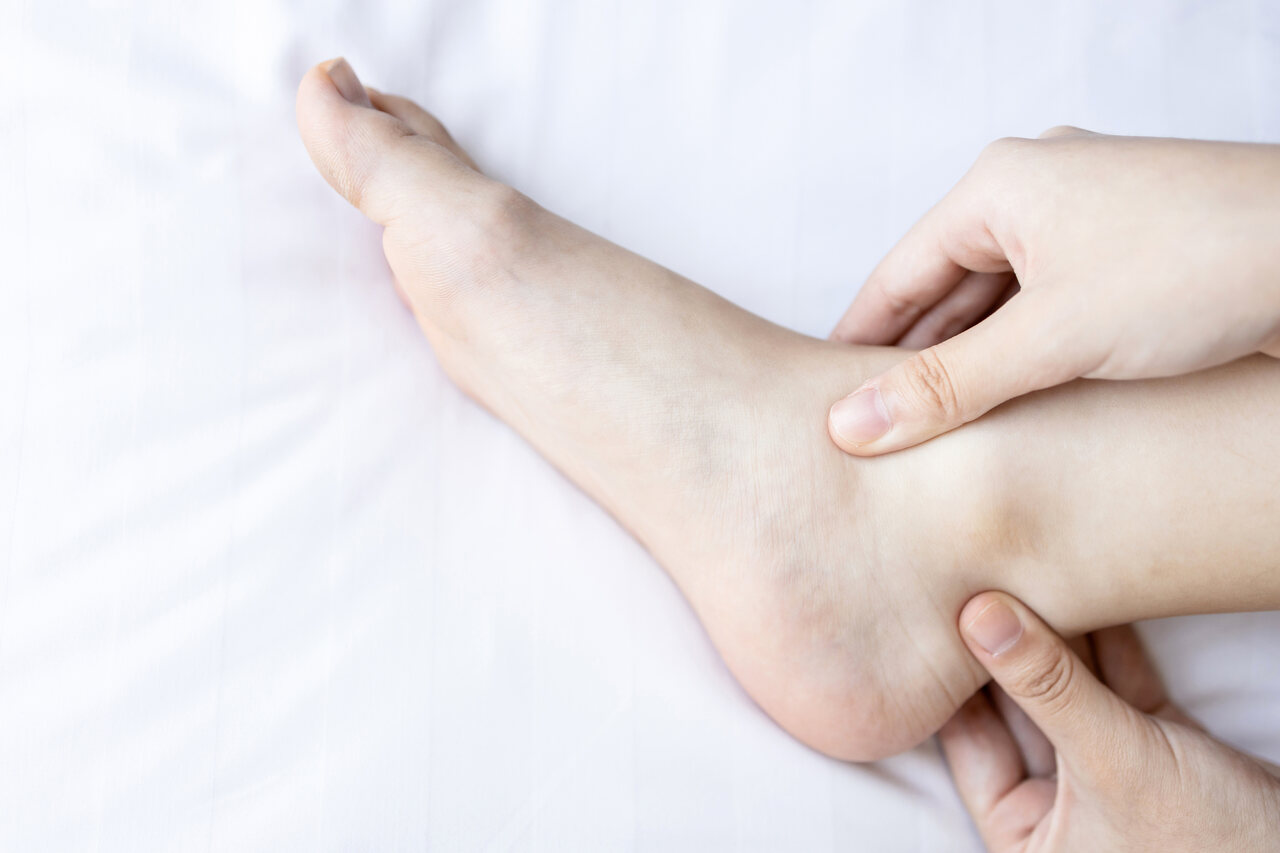
Say Goodbye to Achilles Woes: Expert Physiotherapy for Tendonitis
Understanding Achilles Tendonitis
Achilles tendonitis is a common condition that affects the Achilles tendon, leading to pain and discomfort. Understanding this condition is crucial for seeking the right treatment, including specialized physiotherapy for Achilles tendonitis.
What is Achilles Tendonitis?
Achilles tendonitis refers to the inflammation of the Achilles tendon, the large tendon located at the back of your ankle. This tendon connects your calf muscles to your heel bone and plays a significant role in walking, running, and jumping. When inflamed, the Achilles tendon can cause sharp pain and stiffness, particularly during physical activities.
Achilles tendonitis is generally categorized into two types:
- Insertional Achilles tendonitis: Affects the lower part of the tendon, where it attaches to the heel bone.
- Non-insertional Achilles tendonitis: Involves the middle portion of the tendon and is more common among younger and active individuals.
Common Causes of Achilles Tendonitis
Several factors can contribute to the development of Achilles tendonitis. Understanding these causes can help you take preventative measures and seek effective treatments like physiotherapy for Achilles tendonitis.
1. Overuse and Repetitive Strain Engaging in activities that place repetitive strain on the Achilles tendon, such as running, jumping, and sudden increases in physical activity, can lead to inflammation.
2. Improper Footwear Wearing shoes that do not provide adequate support or cushioning can increase the strain on your Achilles tendon.
3. Lack of Flexibility and Strength Tight calf muscles or weak tendons and muscles can increase your risk of developing Achilles tendonitis.
4. Age and Gender Achilles tendonitis is more common in individuals over 30 and tends to affect males more frequently.
5. Foot Structure and Gait Abnormalities Flat feet, high arches, or abnormal walking patterns can contribute to the stress on your Achilles tendon.
6. Medical Conditions Conditions such as obesity, high blood pressure, and diabetes can also increase the risk.
| Cause | Description |
|---|---|
| Overuse | Repetitive activities that stress the tendon |
| Footwear | Lack of proper support and cushioning |
| Flexibility | Tight calf muscles, weak tendons |
| Age/Gender | More common in those over 30 and males |
| Foot Structure | Flat feet, high arches, abnormal gait |
| Medical Conditions | Obesity, high blood pressure, diabetes |
By understanding the causes and characteristics of Achilles tendonitis, you can take appropriate steps toward effective treatment and prevention. Early intervention and specialized physiotherapy for Achilles tendonitis can significantly improve pain and functionality, allowing you to return to your daily activities. For more details on how physiotherapy can help, explore our articles on physiotherapy exercises and physiotherapy for sports injuries.
Benefits of Physiotherapy for Achilles Tendonitis
Physiotherapy can be immensely beneficial for those struggling with Achilles tendonitis. Here are some ways how professional therapy can aid in your recovery.
How Physiotherapy Can Help
Physiotherapy offers targeted treatments to address the root causes and symptoms of Achilles tendonitis.
- Pain Relief: Techniques such as manual therapy can alleviate pain and inflammation, helping you get back on your feet faster.
- Improved Mobility: Range-of-motion exercises can enhance flexibility and strengthen your Achilles tendon, promoting better functional movement.
- Personalized Treatment Plans: A physiotherapist develops customized exercise regimens tailored to your specific needs, ensuring a quicker and more effective recovery.
| Benefit | Description |
|---|---|
| Pain Relief | Manual therapy reduces pain and inflammation |
| Improved Mobility | Range-of-motion exercises improve flexibility and strength |
| Personalized Plans | Customized exercise regimens tailored to individual needs |
Importance of Early Intervention
Early intervention can make a significant difference in your recovery process. Attending physiotherapy sessions at the onset of symptoms can prevent the condition from worsening and reduce the overall recovery time.
- Prevent Chronic Issues: Early treatment can stop the condition from becoming chronic, reducing the risk of long-term damage.
- Faster Recovery: Initiating therapy sooner can expedite healing, allowing you to return to your normal activities more quickly.
- Avoid Surgery: Timely physiotherapy may reduce the need for more invasive procedures like surgery.
| Aspect | Importance |
|---|---|
| Prevent Chronic Issues | Reduces the risk of long-term damage |
| Faster Recovery | Expedites healing and return to normal activities |
| Avoid Surgery | Decreases the likelihood of requiring invasive procedures |
For more information on how physiotherapy can help with other conditions, visit our articles on physiotherapy treatment, physiotherapy for sports injuries, and physiotherapy for plantar fasciitis.
Seeking assistance from a trained physiotherapist can significantly improve your Achilles tendonitis condition. If you’re searching for a local expert, explore physiotherapy near me to find the best options available.
Physiotherapy Techniques
Physiotherapy offers various methods to alleviate and manage Achilles tendonitis. Here’s a closer look at some of the key techniques used.
Stretching and Strengthening Exercises
Engaging in specific stretching and strengthening exercises is crucial for improving the flexibility and strength of the Achilles tendon. These exercises help in reducing the strain on the tendon, promoting healing, and preventing re-injury.
Some common exercises include:
- Calf Stretches: Stand facing a wall, place your hands on the wall, and stretch one leg back while keeping your heel on the ground to stretch the calf muscles.
- Heel Raises: Stand on the edge of a step, raise your heels slowly, and then lower them below the level of the step to strengthen the calf muscles.
| Exercise | Repetitions | Sets |
|---|---|---|
| Calf Stretches | 15 | 2 |
| Heel Raises | 10 | 3 |
For more detailed exercise regimens, refer to physiotherapy exercises.
Manual Therapy for Pain Relief
Manual therapy involves hands-on techniques performed by your physical therapist to relieve pain and improve mobility. This can include:
- Massage: Gently massaging the Achilles tendon and surrounding areas to reduce tension and increase blood flow.
- Mobilization: Techniques to improve joint and soft tissue mobility, which can help in reducing discomfort and enhancing function.
Manual therapy is often combined with other physiotherapy techniques for a holistic approach to treatment. For similar conditions, you can explore physiotherapy for knee pain and physiotherapy for back pain.
Gait Analysis and Corrective Exercises
Gait analysis involves examining the way you walk to identify any abnormalities that may contribute to Achilles tendonitis. By assessing your walking pattern, a physiotherapist can recommend corrective exercises to improve your gait and reduce stress on the Achilles tendon.
These exercises might include:
- Balance Training: Exercises to enhance stability and reduce undue pressure on the tendon.
- Strengthening Exercises: Focused on the muscles around the ankle and foot.
Implementing these corrective measures can significantly reduce the risk of recurring injuries. Similar strategies are applied in physiotherapy for sports injuries.
For an individualized treatment plan and tailored exercises, always consult a qualified physiotherapist. Learn more about finding the right professional in our comprehensive guide on finding the right physiotherapist.
Lifestyle Modifications
In managing Achilles tendonitis, making specific lifestyle adjustments can significantly aid in your recovery and prevent future issues. Understanding and implementing these modifications can complement physiotherapy treatment and enhance healing.
Rest and Recovery
Rest is crucial in the recovery process of Achilles tendonitis. Overuse can exacerbate the condition, so allowing ample time for your tendon to heal is essential. Your physiotherapist might recommend varying periods of rest depending on the severity. Here’s a guideline:
| Severity Level | Recommended Rest Period |
|---|---|
| Mild | 1-2 weeks |
| Moderate | 2-4 weeks |
| Severe | 4-6 weeks |
It’s vital to avoid activities that strain the Achilles tendon during this time.
Footwear Adjustments
Proper footwear plays a crucial role in alleviating the pain associated with Achilles tendonitis. Shoes that provide good arch support and cushioning can reduce the stress on your tendon. High heels should be avoided as they can increase tension on the Achilles. You might also consider custom orthotics for additional support.
For more information on related conditions, check out physiotherapy for plantar fasciitis.
Activity Modifications
Altering your activities can prevent the aggravation of Achilles tendonitis. Instead of high-impact exercises such as running or jumping, opt for low-impact activities like swimming or cycling. Here’s a quick comparison:
| Activity Type | Impact Level | Recommendation |
|---|---|---|
| Running | High | Avoid |
| Jumping | High | Avoid |
| Swimming | Low | Recommended |
| Cycling | Low | Recommended |
For those engaging in sports, consider consulting a sports physiotherapy expert to design a safe and effective exercise regimen.
Implementing these lifestyle modifications alongside physiotherapy exercises can significantly enhance your recovery from Achilles tendonitis. Always seek advice from a qualified physiotherapy clinic to develop a personalized treatment plan suitable for your needs.
Prevention Strategies
Preventing Achilles tendinitis starts with taking proactive measures in your daily routine and exercise regimen. Below are effective strategies to help you avoid this painful condition.
Warm-Up and Cool Down Practices
Proper warm-up and cool down practices are essential to prepare your muscles and tendons for physical activity and aid in recovery:
- Warm-Up: Engage in light aerobic exercises for 5-10 minutes to increase blood flow to the lower limbs.
- Dynamic Stretching: Incorporate stretches that target the calves and Achilles tendon:
- Ankle circles
- Standing calf stretch
| Stretch Type | Duration | Benefits |
|---|---|---|
| Ankle Circles | 1-2 minutes | Improves ankle flexibility |
| Standing Calf Stretch | 20-30 seconds | Stretches the calf muscles |
- Cool Down: Post-exercise, spend 5-10 minutes performing static stretches to help relax and lengthen the muscles.
For exercises and techniques, consult with a physiotherapy professional for tailored advice.
Proper Footwear Selection
Wearing the right footwear plays a crucial role in preventing Achilles tendinitis. Ensure your shoes offer adequate support and cushioning:
- Arch Support: Look for shoes that provide good arch support to maintain proper foot alignment.
- Heel Cushioning: Adequate heel cushioning helps to absorb impact and reduce strain on the Achilles tendon.
- Fit and Comfort: Make sure the shoes fit well and offer enough room for your toes.
Your physiotherapist can guide you on proper footwear selection for your specific needs.
Cross-Training and Injury Prevention Programs
Incorporating cross-training and structured injury prevention programs can reduce the risk of developing Achilles tendinitis:
- Variety in Exercise: Engage in different types of exercises to avoid repetitive strain on your Achilles tendon:
- Swimming
- Biking
- Elliptical training
| Activity Type | Duration | Frequency |
|---|---|---|
| Swimming | 30 min | 2-3 times a week |
| Biking | 30-45 min | 2-3 times a week |
| Elliptical | 30 min | 2-3 times a week |
Strength Training: Focus on exercises that strengthen the muscles around the ankle and lower leg:
Heel raises
Resistance band exercises
Injury Prevention Programs: Participate in programs designed by your physiotherapist which may include:
Gait analysis
Custom exercise plans
By following these prevention strategies, you can significantly reduce the risk of Achilles tendinitis and maintain your active lifestyle. For personalized guidance, consider visiting a physiotherapy clinic near you.
Finding the Right Physiotherapist
Choosing the right physiotherapist can make a significant difference in the treatment of Achilles tendonitis. Here are some tips to help you find a qualified professional.
Qualifications to Look For
When searching for a physiotherapist, it’s crucial to ensure they have the necessary qualifications. These typically include:
- License: Check that the physiotherapist is licensed to practice in your state.
- Education: Look for professionals with a Doctor of Physical Therapy (DPT) degree.
- Experience: Seek out physiotherapists with specific experience in treating Achilles tendonitis.
- Certifications: Additional certifications in sports physiotherapy or manual therapy can be beneficial.
| Qualifications | Importance Level |
|---|---|
| License | High |
| DPT Degree | High |
| Experience in Achilles Tendonitis | Medium |
| Additional Certifications | Medium |
To find qualified physiotherapists in your area, consider using resources like physiotherapy near me and local directories.
Communication with Your Physiotherapist
Effective communication with your physiotherapist is key to a successful treatment plan. Here are some tips:
- Be Honest: Share your medical history and any current symptoms in detail.
- Ask Questions: Don’t hesitate to ask about the treatment plan, exercises, and expected outcomes.
- Feedback: Provide regular feedback on your progress and any discomfort you experience.
Communication establishes trust and ensures that your physiotherapist can tailor the treatment to your specific needs. For more communication tips, visit physiotherapy treatment.
Creating a Personalized Treatment Plan
A personalized treatment plan is essential for effective recovery. Your physiotherapist should develop a plan that includes:
- Initial Assessment: A thorough evaluation of your condition.
- Customized Exercises: Specific stretching and strengthening exercises tailored to your needs.
- Monitoring Progress: Regular assessments to adjust the treatment plan as needed.
- Education: Guidance on lifestyle modifications and precautions to prevent re-injury.
| Treatment Plan Components | Importance Level |
|---|---|
| Initial Assessment | High |
| Customized Exercises | High |
| Monitoring Progress | Medium |
| Education | Medium |
For more information on effective exercises, check out our article on physiotherapy exercises.
Finding the right physiotherapist for Achilles tendonitis requires careful consideration of qualifications, effective communication, and a personalized treatment plan. Explore various resources and internal links to make an informed decision and ensure the best care for your condition.
BY: Laura Schneider
Physiotherapy Cluster
COMMENTS: No Comments