
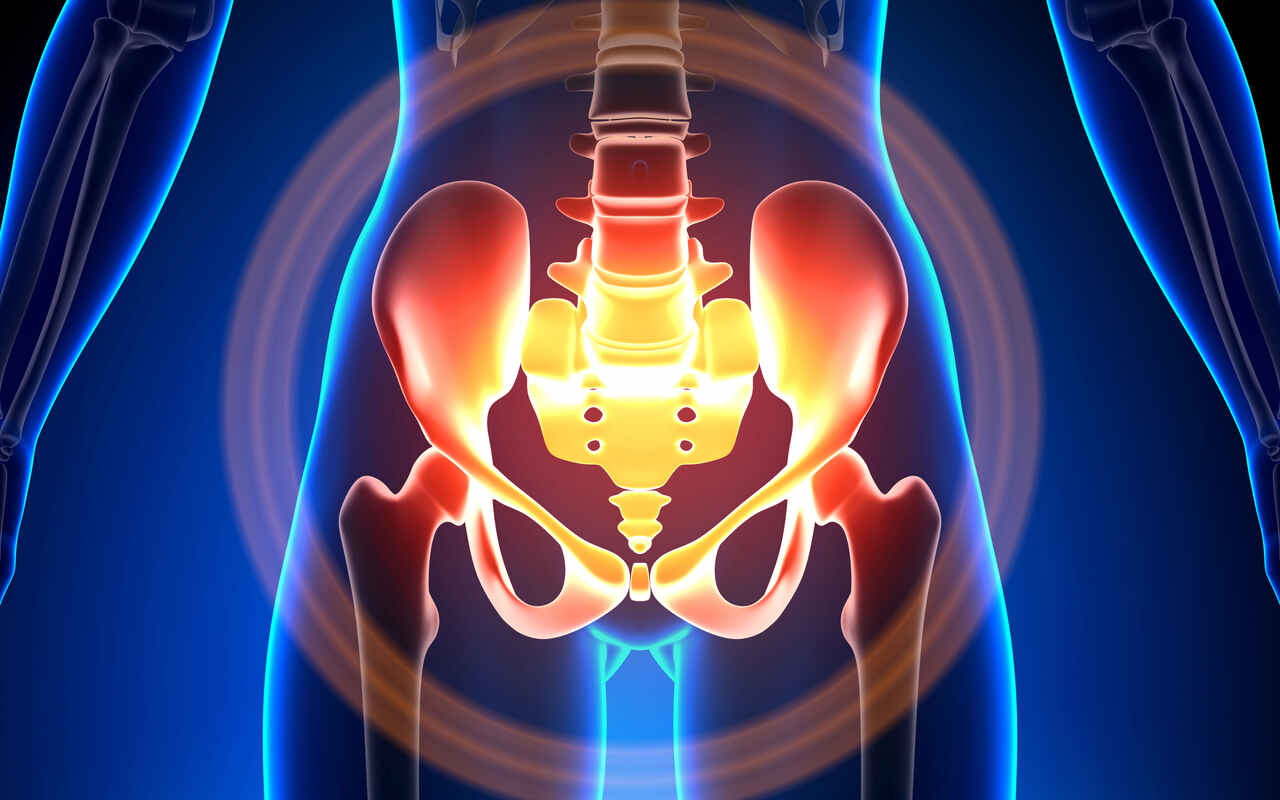
Pelvic Health Simplified: A Guide to Strengthening Your Pelvic Floor
The pelvic floor plays an essential role in maintaining overall health, supporting vital functions like bladder control, core stability, and organ health. Yet, it’s often overlooked until issues arise. Pelvic floor strengthening is a targeted approach to improving these muscles, providing relief from discomfort, enhancing function, and aiding in recovery from conditions like incontinence or postpartum strain. This blog explores the importance of pelvic floor strengthening, its benefits, and how it can help individuals take charge of their health and well-being.What Is Pelvic Floor Strengthening?
Pelvic floor strengthening involves exercises and therapies designed to improve the function and resilience of the pelvic floor muscles. These muscles, located at the base of the pelvis, play a critical role in supporting the bladder, uterus (in women), and rectum. They also assist in controlling urination and bowel movements, while enhancing core stability by working alongside the abdominal and back muscles. Strengthening these essential muscles is typically achieved through targeted exercises and, in some cases, physiotherapy interventions like biofeedback or manual therapy.Benefits of Pelvic Floor Strengthening
Strengthening the pelvic floor offers numerous physical and functional benefits:- Improved Bladder and Bowel Control: Helps reduce incontinence and prevent accidental leakage.
- Enhanced Sexual Health: Strengthened muscles improve sexual function and satisfaction.
- Reduced Risk of Prolapse: Supports the pelvic organs, reducing the risk of organ prolapse.
- Better Core Stability: Contributes to overall balance and posture by working with core muscles.
- Support for Physical Activities: Improves performance in exercises and sports that place stress on the pelvic region.
Who Can Benefit From Pelvic Floor Strengthening Exercises?
Pelvic floor strengthening is beneficial for a wide range of individuals, regardless of age or gender:- Women During and After Pregnancy: Strengthening the pelvic floor helps manage the physical demands of pregnancy and aids in postpartum recovery.
- Men and Women With Incontinence: Exercises can help control leakage and improve bladder and bowel function.
- Athletes: High-impact sports, such as running or weightlifting, place stress on the pelvic floor. Strengthening these muscles enhances performance and reduces injury risk.
- Older Adults: Aging can weaken the pelvic floor, but targeted exercises help maintain strength and prevent issues like incontinence.
- People Recovering From Surgery: After pelvic surgeries, such as hysterectomy or prostatectomy, strengthening exercises aid recovery and restore function.
Signs of a Weak Pelvic Floor
A weak pelvic floor can manifest through several noticeable symptoms, including:- Urinary incontinence or accidental leakage, especially when coughing, sneezing, or laughing.
- Frequent or urgent need to urinate.
- Difficulty controlling bowel movements or passing gas.
- A sensation of heaviness or pressure in the pelvic region.
- Pain or discomfort during sexual activity.
- Lower back pain that seems unrelated to other causes.
Postpartum Recovery: How Pelvic Floor Strengthening Helps
Postpartum recovery often involves addressing the strain and changes pregnancy and childbirth place on the pelvic floor. Strengthening these muscles is essential for:- Improved Healing: Exercises promote blood flow to the pelvic region, aiding tissue repair after delivery.
- Restoring Bladder Control: Many women experience urinary incontinence postpartum, which can be alleviated through strengthening exercises.
- Reducing Pelvic Pain: Targeted exercises can relieve discomfort caused by weakened muscles or strain.
- Supporting Daily Activities: Rebuilding strength helps new mothers perform everyday tasks more comfortably and confidently.
Recommended Exercises for Pelvic Floor Strengthening
There are several effective exercises to strengthen the pelvic floor muscles:- Kegels: This exercise involves contracting and relaxing the pelvic floor muscles. To perform, tighten the muscles as though you’re stopping urination, hold the contraction for 5–10 seconds, then relax for the same amount of time. Repeat the exercise 10–15 times per session.
- Bridge Pose: This movement strengthens both the pelvic floor and glutes. Begin by lying on your back with your knees bent and feet flat on the floor. Lift your hips toward the ceiling while squeezing your pelvic floor muscles, then lower back down. Aim for 10–15 repetitions.
- Squats: Incorporating squats into your routine engages the pelvic floor. Stand with your feet shoulder-width apart, lower into a squat while keeping the pelvic floor engaged, then return to a standing position. Perform 10–15 repetitions.
- Bird Dog: This exercise enhances core and pelvic floor stability. Start on all fours with your back straight. Extend one arm and the opposite leg simultaneously while engaging the pelvic floor, then return to the starting position. Alternate sides for 10–12 repetitions.
How Often Should You Do Pelvic Floor Exercises for Effective Results?
Consistency is the foundation of success when it comes to pelvic floor strengthening exercises. For effective results, it’s recommended to practice daily. Exercises such as Kegels should ideally be performed at least once or twice a day. Start with a manageable number of repetitions, such as 10–15 per session, and gradually increase as the muscles grow stronger. Over time, the intensity of the exercises can be progressed by holding contractions for longer durations or incorporating resistance-based movements. Regular practice ensures steady progress, but it’s equally important to listen to your body and avoid overworking the muscles to prevent strain or fatigue.Are Pelvic Floor Strengthening Exercises Safe: Risks and Mistakes to Avoid
Pelvic floor exercises are generally safe, but certain mistakes can hinder progress or cause discomfort. Common risks and errors include:- Overtraining: Excessive or improperly performed exercises can lead to muscle fatigue or even strain. Stick to a balanced routine and allow for rest.
- Incorrect Technique: Engaging the wrong muscles, such as the glutes or thighs, reduces the effectiveness of pelvic floor exercises. Focus on isolating the pelvic floor muscles.
- Holding Your Breath: Proper breathing is essential during exercises. Exhale while contracting the muscles to prevent unnecessary tension in other areas.
- Ignoring Pain or Discomfort: If you experience pain during exercises, stop immediately and consult a professional to identify the cause.
How Long Does It Take to See Results From Pelvic Floor Strengthening?
The timeline for seeing results from pelvic floor strengthening varies based on the initial condition of the muscles and the individual’s commitment to the routine. Subtle changes, such as improved bladder control, are often noticeable within 4–6 weeks of consistent practice. For more sustained improvements in strength and function, it typically takes 3–6 months of regular exercises. To maintain and build on these gains, long-term practice is essential. Pairing consistent effort with guidance from a physiotherapist can help accelerate progress and ensure long-term success.How Men Can Benefit From Pelvic Floor Strengthening Exercises
Pelvic floor strengthening is not just for women—men can also experience significant benefits:- Improved Bladder and Bowel Control: Exercises help reduce incontinence and improve control, particularly after prostate surgery.
- Enhanced Sexual Health: Strengthening the pelvic floor can lead to improved erectile function and better control during intimacy.
- Relief From Pelvic Pain: Men experiencing chronic pelvic pain or discomfort in the lower back may find relief through targeted pelvic floor exercises.
- Support for Core Stability: Strong pelvic floor muscles contribute to overall core strength, improving posture and reducing the risk of injury.
Enhanced Health and Well-Being
Taking care of your pelvic health is a vital step toward improved function and overall well-being. Whether you’re recovering postpartum, managing symptoms of a weak pelvic floor, or aiming to enhance your strength and stability, pelvic floor strengthening can make a significant difference. If you’re in Edmonton, Boost Physiotherapy in Edmonton is here to guide you with personalized care and support. Contact us today to start your journey toward stronger pelvic health and a better quality of life.BY: Laura Schneider
pelvic floor physiotherapy
COMMENTS: No Comments