Relax Tight Muscles and Improve Function: Dry Needling Benefits
Muscle knots, or myofascial trigger points, are a common source of discomfort that can hinder movement and cause persistent pain. Dry needling offers a targeted and effective solution for releasing these knots, reducing muscle tension, and promoting overall recovery. Whether you’re dealing with chronic pain or seeking relief from everyday muscle stiffness, dry needling provides a proven technique to address the root cause of tension and restore functionality.Understanding Muscle Knots
Muscle knots, also known as myofascial trigger points, are areas where muscle fibers contract and fail to relax. These tight spots can form due to overuse, poor posture, stress, or injury. Common symptoms include localized pain—a dull ache or sharp discomfort in a specific area—and referred pain, where the discomfort radiates to other parts of the body. Stiffness and limited range of motion in the affected muscle are also typical, along with tenderness and sensitivity to touch or pressure over the knot. If left untreated, muscle knots can lead to chronic pain and further complications, making treatments like dry needling a valuable solution.What Is Dry Needling?
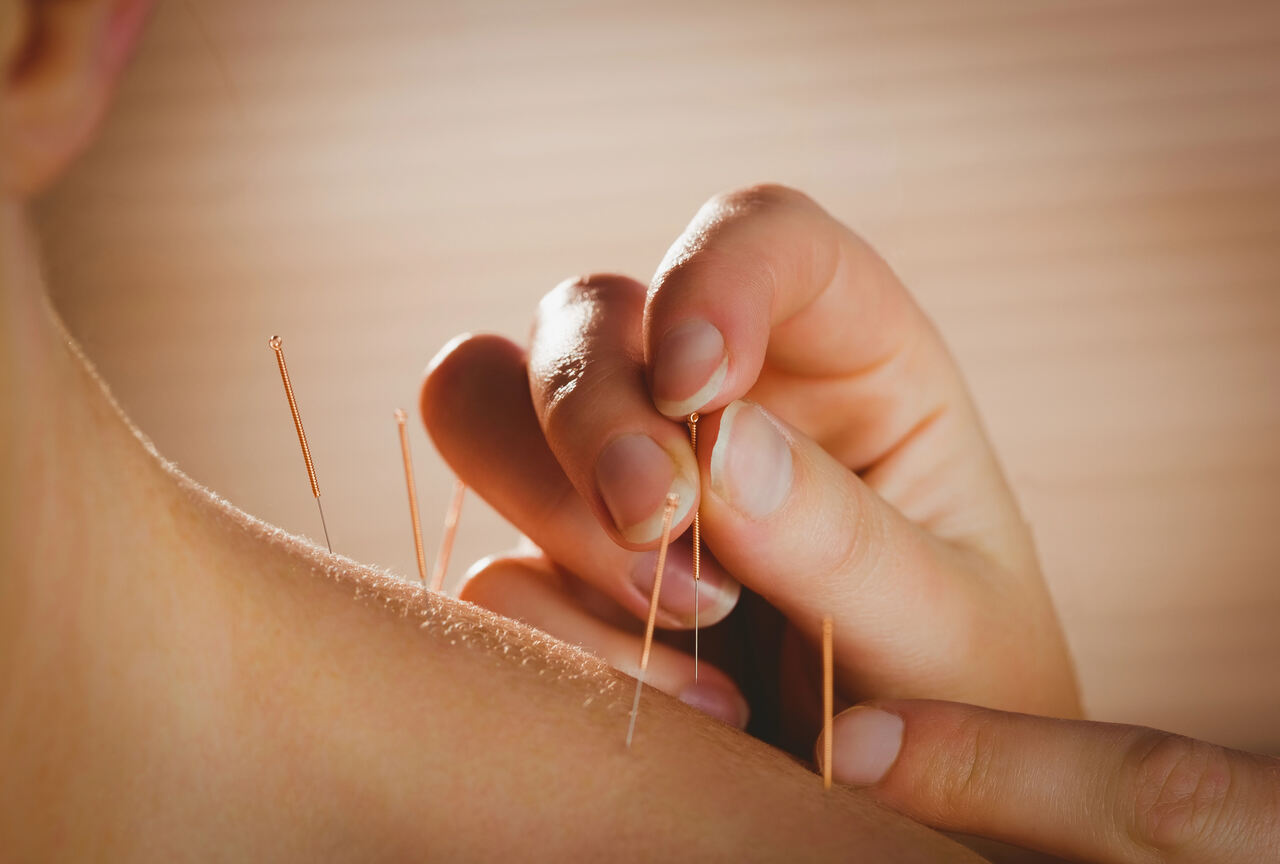
Dry needling is a therapeutic technique used by physiotherapists to treat musculoskeletal pain and dysfunction. It involves inserting thin, sterile needles directly into trigger points—tight, painful areas in muscles—to release tension and promote healing. This method specifically targets areas of muscle tightness or “knots” to relieve pain and restore function. By stimulating the nervous system, dry needling increases blood flow and reduces inflammation in the affected areas. It is commonly used for conditions involving muscle tightness or dysfunction, such as back pain, neck pain, and shoulder tension. Overall, dry needling is highly effective for addressing localized pain and improving muscle performance.Benefits of Dry Needling for Muscle Knots
Dry needling offers numerous benefits for those dealing with muscle knots, providing both immediate and long-term relief.- Pain Reduction: Releases tension in the trigger points, alleviating pain in the affected muscle and surrounding areas.
- Improved Mobility: Restores flexibility and range of motion by relaxing tight muscle fibers.
- Enhanced Blood Flow: Promotes circulation to the targeted area, accelerating the healing process.
- Reduced Muscle Tension: Helps reset the muscle to its normal state, reducing stiffness and preventing further tightness.
- Faster Recovery: Aids in the recovery process after physical strain or injury by addressing deep-seated muscular issues.
Addressing Muscle Tension: Dry Needling vs. Acupuncture
Although dry needling and acupuncture both involve the use of needles, they differ significantly in their methods, goals, and origins.- Philosophy: Dry needling is rooted in modern Western medicine and focuses on musculoskeletal issues, while acupuncture is based on Traditional Chinese Medicine, aiming to balance energy flow (Qi) in the body.
- Target Areas: Dry needling targets trigger points in muscles, while acupuncture often works along specific meridians associated with overall health.
- Technique: In dry needling, needles are inserted into tight muscle fibers to release tension, whereas acupuncture uses standardized points to promote holistic well-being.
Dry Needling Sessions for Muscle Knots: What to Expect
A typical dry needling session is straightforward and tailored to your specific needs. Here’s what you can expect:- Assessment: The physiotherapist will evaluate your symptoms, medical history, and muscle function to determine the best approach.
- Needle Insertion: Thin, sterile needles are inserted into the trigger points of the affected muscle. You may feel a brief twitch or mild discomfort as the needle activates the muscle.
- Duration: Needles are usually left in place for 5–15 minutes, depending on the severity of the issue and your comfort level.
- Post-Treatment Care: Your physiotherapist may recommend stretches or exercises to enhance the treatment’s effects and prevent future muscle tension.
Possible Risks or Side Effects Associated With Dry Needling
Dry needling is a safe and effective treatment when performed by a qualified physiotherapist. However, like any medical procedure, there are potential risks and side effects to consider:- Common Side Effects: Temporary soreness, bruising, or mild bleeding at the needle insertion site.
- Rare Risks: In rare cases, dry needling may cause fainting, infection, or nerve irritation.
- Precautions: Not recommended for individuals with certain conditions, such as a bleeding disorder, infection, or needle phobia.
How Many Dry Needling Sessions Are Typically Needed to See Results?
The number of dry needling sessions required varies depending on the severity and duration of the muscle knots, as well as individual factors like overall muscle health and activity level. For minor tension or recently developed muscle knots, one to two sessions may provide significant relief. Chronic or deep-seated muscle knots may require four to six sessions, spaced out over several weeks, to achieve lasting results. Athletes or individuals with recurring muscle tension might benefit from occasional maintenance sessions to keep muscles functioning optimally. Your physiotherapist will recommend a tailored treatment plan based on your progress and specific needs.Can Dry Needling Provide Long-Term Relief From Muscle Knots?
Dry needling can provide long-term relief when combined with proper aftercare and preventive measures. By releasing tension in muscle knots and improving blood flow, the treatment helps restore normal muscle function. However, for sustained results, it’s important to incorporate stretching and strengthening exercises to maintain muscle flexibility and balance. Addressing underlying factors like poor posture, repetitive movements, or inadequate ergonomics is also crucial to prevent muscles from becoming tense again. Consistency in physiotherapy sessions and adopting a proactive approach to muscle health are key to achieving long-term relief.Is Dry Needling for Muscle Knots Painful?
The level of discomfort during dry needling varies from person to person.- Insertion Sensation: The needle’s insertion may cause a brief prick or pinch, but this is generally mild.
- Trigger Point Response: When the needle stimulates a muscle knot, you may feel a twitch or cramping sensation, which indicates the release of the trigger point.
- Post-Treatment Soreness: Mild soreness in the treated area is common and typically subsides within 24–48 hours.
Aftercare Tips Following Dry Needling for Muscle Knots
To maximize the benefits of dry needling and minimize potential side effects, follow these aftercare tips:- Stay Hydrated: Drinking plenty of water helps flush out toxins released during the treatment and supports muscle recovery.
- Apply Heat or Ice: Use a heating pad or ice pack if mild soreness or bruising occurs. Heat promotes relaxation, while ice reduces inflammation.
- Avoid Strenuous Activities: Give your muscles a break by avoiding intense physical activity for 24–48 hours post-treatment.
- Stretch Gently: Perform light stretches to maintain flexibility and prevent the treated area from becoming stiff.
- Monitor Your Symptoms: While mild soreness is normal, contact your physiotherapist if you experience persistent pain or unusual symptoms.
Can Dry Needling Prevent Muscle Knots From Recurring?
Dry needling can play a significant role in preventing the recurrence of muscle knots by addressing the underlying tension and dysfunction in the muscles. By releasing tightness and improving circulation, it helps restore normal muscle function and reduces the likelihood of future issues. When combined with a comprehensive treatment plan, dry needling supports long-term muscle health by promoting flexibility and strength, enhancing posture, and encouraging proper movement patterns. Additionally, it alleviates the strain placed on overused muscles, reducing the risk of re-tensioning. For optimal results, dry needling should be part of an integrated approach that incorporates regular exercise, ergonomic adjustments, and proactive self-care strategies. This holistic method ensures that muscles remain balanced, functional, and less susceptible to recurring knots.Managing and Preventing Muscle Knots: Recommended Lifestyle Changes
Incorporating certain lifestyle changes can help reduce the likelihood of developing muscle knots and complement the effects of dry needling.- Maintain Good Posture: Use ergonomic furniture and proper sitting/standing positions to reduce strain on muscles.
- Stay Active: Engage in regular physical activity, including strength training and flexibility exercises, to keep muscles healthy and balanced.
- Manage Stress: Practice stress-reducing techniques like yoga, meditation, or deep breathing to prevent tension from building in your muscles.
- Take Breaks: Avoid prolonged sitting or repetitive movements by taking frequent breaks to stretch and move.
- Invest in Proper Sleep: Use a supportive mattress and pillow to avoid putting undue strain on muscles during sleep.
- Stay Hydrated and Eat Well: Proper hydration and a balanced diet support overall muscle function and recovery.
Replace Pain With Well-Being
If muscle knots are disrupting your daily life, Boost Physiotherapy in Edmonton can help. Our experienced physiotherapists use dry needling therapy to provide effective relief, improve mobility, and prevent recurring tension. Take the first step toward a pain-free and more active life—contact us today to book your session and experience the benefits of care tailored to your needs.BY: Laura Schneider
Ims
COMMENTS: No Comments