
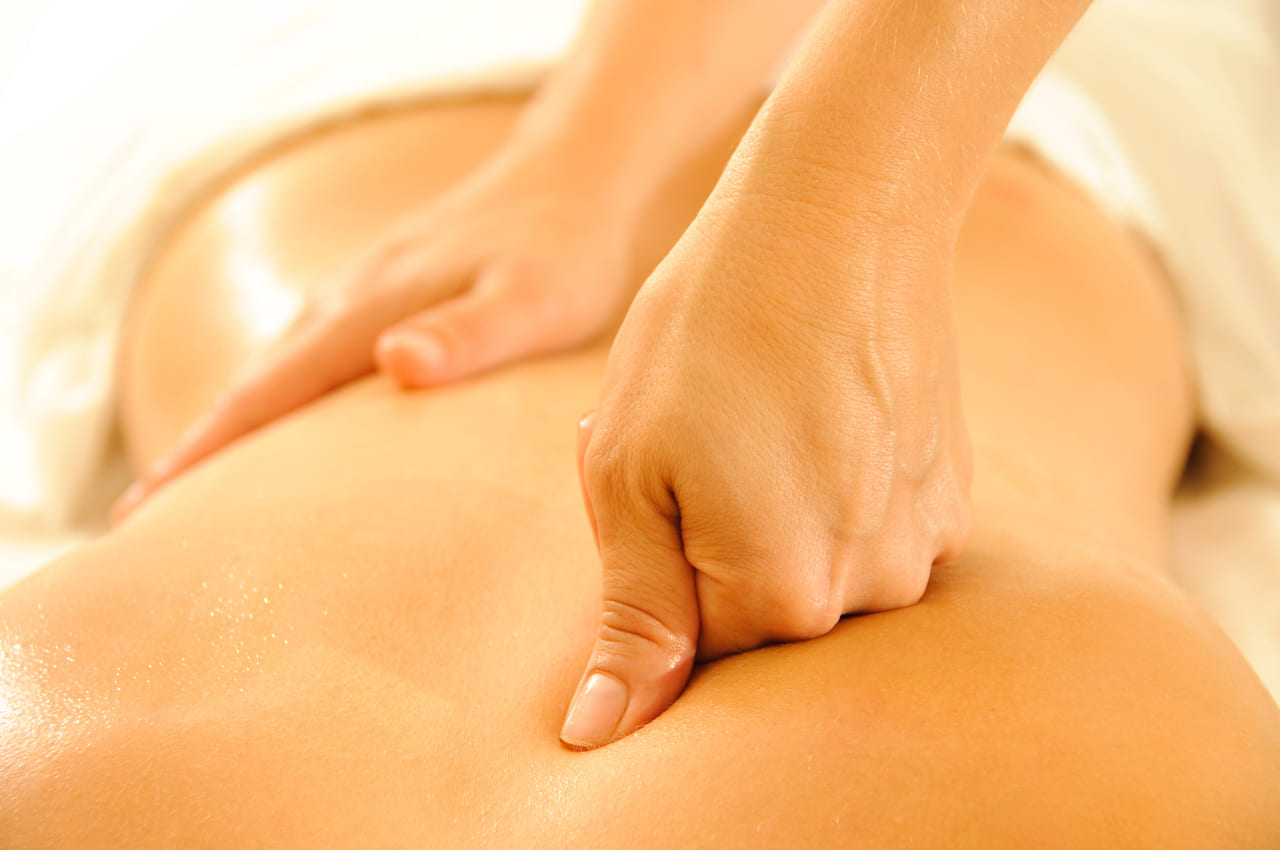
Massage Therapy’s Impact on Fitness: From Recovery to Performance
The journey toward achieving fitness goals is multifaceted, often involving a blend of exercise, nutrition, and recovery techniques. Among these, massage therapy stands out as a valuable tool for enhancing physical fitness and well-being. Whether you are a professional athlete or a fitness enthusiast, incorporating massage into your routine can provide numerous benefits. In this blog, we will explore how massage therapy supports fitness, the types of massage best suited for athletes, and how it can enhance performance, flexibility, and recovery.Understanding the Role of Massage Therapy in Supporting Fitness
Massage therapy plays a significant role in supporting fitness by promoting recovery, reducing muscle tension, and enhancing overall performance. It helps in increasing blood circulation, which is crucial for delivering oxygen and nutrients to muscles, thus speeding up recovery after intense workouts. Regular massage can alleviate muscle soreness, reduce the risk of injury, and enhance flexibility, all of which contribute to better performance in physical activities. Moreover, massage therapy can help in managing stress and improving sleep, which are essential components of a successful fitness regimen. By aiding in the removal of metabolic waste, massage helps in maintaining optimal muscle function and reducing fatigue. Consequently, it supports athletes and fitness enthusiasts in reaching their goals more efficiently. Enhancing mental clarity and focus is another benefit, as massage therapy can reduce stress levels, leading to improved concentration and motivation in workouts.Common Fitness Goals Massage Therapy Can Support
Massage therapy can be a powerful ally in achieving a variety of fitness goals. It offers numerous benefits that can enhance your physical performance and overall well-being.- Improved Recovery: By increasing blood circulation and reducing muscle soreness, massage helps speed up recovery time after workouts.
- Injury Prevention: Regular massage can identify and address potential issues before they become serious injuries, ensuring a longer and healthier fitness journey.
- Enhanced Performance: Massage therapy can boost athletic performance by increasing flexibility and range of motion, allowing for more efficient workouts.
- Stress Reduction: Stress management is crucial for optimal performance, and massage therapy is known to lower cortisol levels, helping you stay focused and relaxed.
- Increased Flexibility: By targeting muscle tension and promoting relaxation, massage enhances flexibility, a key component of many fitness disciplines.
- Better Sleep: Improved sleep quality from regular massage sessions can contribute to better recovery and energy levels for workouts.
- Pain Management: For those dealing with chronic pain, massage therapy offers relief, allowing for consistent engagement in physical activities.
- Improved Circulation: Enhanced blood flow ensures that muscles receive the nutrients they need for repair and growth.
Massage Types Recommended for Athletes and Fitness Enthusiasts
There are several types of massage that are particularly beneficial for those engaged in regular physical activity. Choosing the right type can maximize benefits and support your fitness goals.- Swedish Massage: Known for its gentle techniques, this massage type helps in relaxation and stress reduction, which are essential for recovery.
- Deep Tissue Massage: This technique targets deeper muscle layers and is beneficial for releasing chronic tension and improving flexibility.
- Sports Massage: Tailored for athletes, this massage focuses on areas of the body that are overused and stressed from repetitive movements.
- Trigger Point Therapy: By focusing on specific points of tension, this therapy relieves muscle tightness and improves mobility.
- Myofascial Release: This technique addresses the connective tissues, helping to release tension and improve range of motion.
How Often Should You Get a Massage to Support Your Fitness Routine?
The frequency of massage sessions depends on several factors, including the intensity of your workouts, your fitness goals, and personal preferences. For athletes and individuals who engage in intense physical activity, weekly sessions can be beneficial in maintaining muscle health and enhancing recovery. Those who participate in moderate exercise might find that bi-weekly or monthly massages suffice to address muscle tension and stress. It’s essential to listen to your body and adjust the frequency as needed. During periods of increased physical activity, such as training for a competition, increasing the frequency of massages can help in managing the added stress on the body. Additionally, if you’re recovering from an injury or experiencing chronic pain, more frequent sessions may be necessary. Ultimately, the goal is to ensure that massage therapy complements your fitness routine, providing support where needed to enhance overall performance and well-being.Can Massage Improve Performance in Professional Athletes?
Professional athletes often incorporate massage therapy into their training regimens due to its myriad benefits for performance enhancement.- Enhanced Muscle Recovery: Regular massage can reduce muscle soreness and expedite recovery, allowing athletes to train harder and more frequently.
- Injury Prevention: By addressing muscle imbalances and tension, massage therapy can help prevent injuries that could sideline an athlete.
- Improved Flexibility: Increased flexibility from massage leads to improved performance in sports requiring a wide range of motion.
- Better Focus and Relaxation: Massage reduces stress and anxiety, contributing to better mental focus and relaxation before competitions.
- Increased Circulation: Enhanced blood flow ensures that muscles receive the necessary nutrients and oxygen for optimal performance.
- Pain Relief: For athletes dealing with chronic pain, massage therapy provides relief, allowing for uninterrupted training sessions.
- Enhanced Performance: By improving muscle function and reducing fatigue, massage can directly boost athletic performance.
How Massage Helps Reduce Post-Workout Soreness
Massage therapy is a proven method for alleviating post-workout soreness, a common issue for those engaged in regular exercise. After intense physical activity, muscles can become stiff and sore due to the buildup of lactic acid and microtears. Massage helps by increasing blood circulation, which facilitates the removal of metabolic waste products and supplies nutrients to the muscles. This process not only reduces soreness but also speeds up recovery, allowing individuals to return to their fitness routines more quickly. Additionally, massage can relax tense muscles, further reducing discomfort and preventing the development of chronic pain conditions. By addressing both the physical and psychological aspects of post-workout recovery, massage therapy provides a holistic approach to fitness. It enhances overall well-being and ensures that muscles remain healthy and functional, ultimately supporting long-term fitness goals.Can Massage Enhance Flexibility and Range of Motion?
Flexibility and range of motion are critical components of physical fitness, and massage therapy can play a significant role in enhancing these aspects.- Muscle Relaxation: Massage helps relax tight muscles, making it easier to stretch and improve flexibility.
- Increased Blood Flow: Improved circulation from massage ensures that muscles receive adequate nutrients, promoting elasticity and flexibility.
- Breaking Scar Tissue: Massage techniques can break down scar tissue that limits movement, allowing for greater range of motion.
- Improved Joint Flexibility: By working on surrounding muscles and tissues, massage can enhance joint flexibility and function.
- Reduction of Muscle Tension: By alleviating tension, massage allows for smoother and more efficient movement patterns.
- Enhanced Muscle Performance: Flexible muscles perform better and are less prone to injury, making flexibility a key focus for athletes.
Is Massage Beneficial Before or After Exercise?
The timing of massage sessions can influence their benefits, and both pre- and post-exercise massages offer unique advantages.- Pre-Event Massage: This type of massage helps in warming up muscles, increasing circulation, and preparing the body for physical activity.
- Post-Event Massage: After exercise, massage aids in the removal of lactic acid and reduces muscle soreness, facilitating quicker recovery.
- Injury Prevention: Both pre- and post-event massages can help in identifying potential issues and preventing injuries.
- Improved Performance: A pre-event massage can enhance focus and relaxation, potentially boosting performance during the event.
- Stress Reduction: Both types of massage help in reducing stress and anxiety, contributing to better mental clarity and focus.
- Enhanced Flexibility: Pre-event massage can increase flexibility, allowing for a greater range of motion during exercise.
Pain is No Longer in Control
Massage therapy is an invaluable component of a well-rounded fitness regimen. It supports recovery, enhances performance, and contributes to long-term physical well-being. For those seeking to incorporate massage into their fitness journey, Boost Physiotherapy in Edmonton offers personalized support tailored to your specific needs. Contact us today to discover how our massage therapy services can help you achieve your fitness goals and maintain a healthy, active lifestyle.BY: Laura Schneider
Message Therapy
COMMENTS: No Comments