
Relieve Tension and Restore Function: Exploring the Benefits of Dry Needling
Muscle tightness, recurring pain, or limited range of motion can hold you back from performing daily activities, exercising comfortably, or recovering fully after injury. While many approaches exist to address these issues, one technique that continues to gain traction in physiotherapy settings is dry needling. This evidence-based intervention targets trigger points—tight, irritated bands of muscle tissue—with the goal of reducing tension and restoring function. In this blog, we’ll explore the key benefits of dry needling, how it differs from acupuncture, what types of conditions it helps with, and when it’s most appropriate to include in your treatment plan. Whether you’re dealing with chronic discomfort, athletic strain, or stress-related tension, dry needling may offer the relief and mobility you’re looking for.Understanding the Benefits of Dry Needling
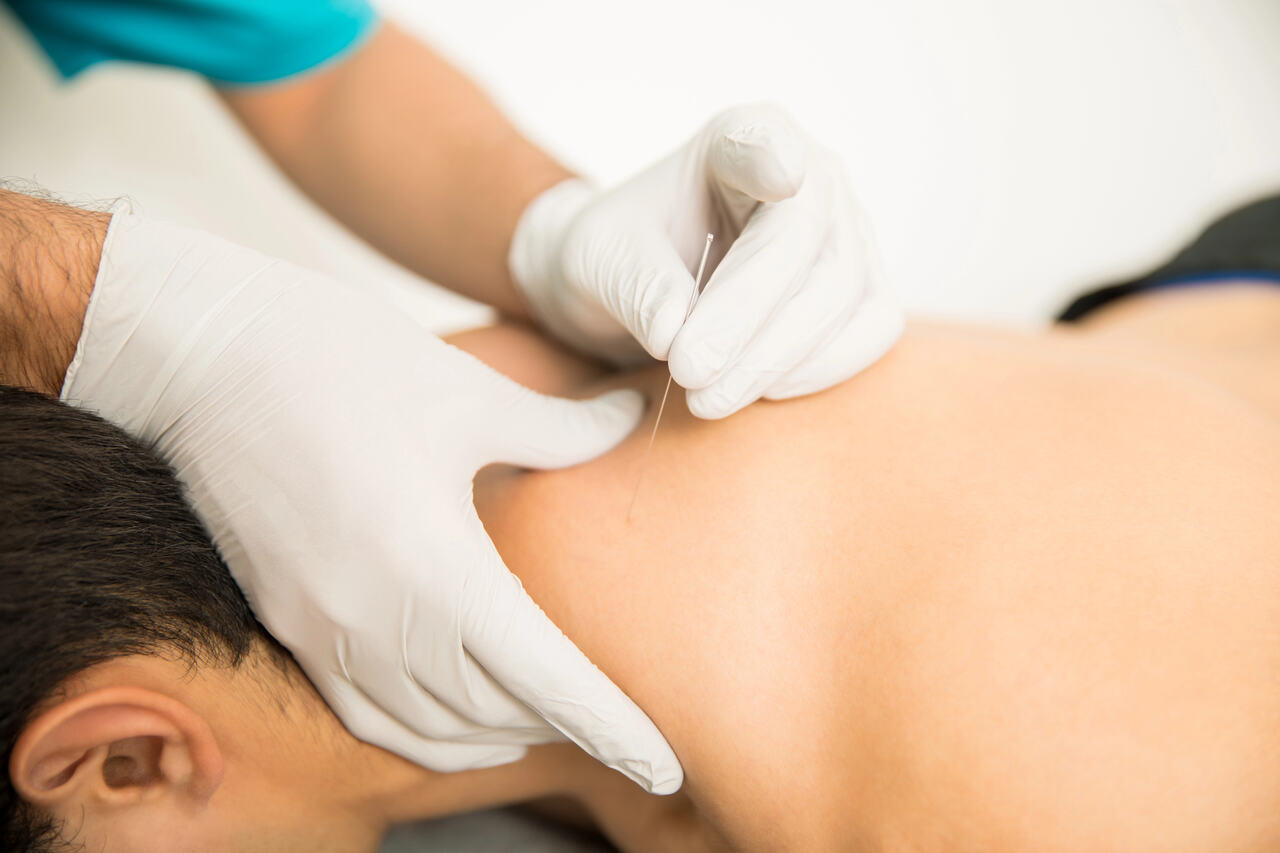
Dry needling involves inserting thin, sterile needles into specific trigger points—tight bands or knots in the muscle that contribute to pain and restricted movement. Unlike injections, dry needling uses no medication; instead, the mechanical stimulation of the needle activates a healing response within the tissue. The technique offers several key benefits:- Reduced Muscle Tension: One of the primary effects of dry needling is the release of muscle tension. Trigger points often remain tight and painful even with stretching or massage. Dry needling directly targets these spots, encouraging the muscle to relax.
- Improved Range of Motion: Muscles affected by trigger points can limit flexibility and joint movement. Releasing these areas can restore normal motion and reduce stiffness, making dry needling a valuable tool in injury rehabilitation.
- Faster Injury Recovery: For individuals recovering from acute injuries or surgery, dry needling supports the healing process by improving blood flow and breaking up scar tissue that may restrict mobility.
- Pain Relief Without Medication: Dry needling provides a non-pharmacological approach to managing pain. It helps reduce discomfort by desensitizing irritated nerves and promoting the body’s natural pain-relief mechanisms.
- Enhanced Muscle Activation: In cases of muscle weakness or poor neuromuscular control, dry needling can help “wake up” underperforming muscles, improving overall function during rehab or athletic training.
Conditions or Injuries That Benefit Most From Dry Needling
Dry needling is a versatile therapy that supports the treatment of various musculoskeletal and neuromuscular conditions. It’s often used in combination with other physiotherapy techniques such as exercise therapy, manual therapy, and education to support long-term recovery. Some of the most common conditions that respond well to dry needling include:- Myofascial Pain Syndrome: This condition involves chronic pain from trigger points in muscles. Dry needling targets these points directly, offering fast and lasting relief.
- Tension Headaches and Migraines: Headaches caused by tight neck and shoulder muscles can improve with dry needling, especially when muscle tension is a contributing factor.
- Chronic Neck and Back Pain: Trigger points in the spine, shoulders, or lower back are a common source of chronic pain. Dry needling can release these tight areas and restore normal movement.
- Sports Injuries: Conditions like shin splints, runner’s knee, hamstring strains, and IT band syndrome often involve tight or overloaded muscles. Dry needling helps reduce pain and speed up recovery.
- Postural Strain and Overuse Injuries: Office workers and those with sedentary lifestyles frequently develop muscle imbalances that cause neck, shoulder, or back pain. Dry needling can correct these imbalances by addressing underlying muscle dysfunction.
- Temporomandibular Joint Dysfunction (TMJ): Trigger points in the jaw and surrounding muscles can cause facial pain and difficulty chewing. Dry needling provides targeted relief for TMJ symptoms.
Are the Effects of Dry Needling Long-Lasting?
Dry needling can offer both immediate and lasting relief, though the duration of its effects often depends on the condition being treated and whether it’s part of a broader care plan. Many people report noticeable pain reduction and muscle relaxation shortly after treatment, which can feel like a reset for areas that have been tense for extended periods. For longer-term improvement, dry needling is most effective when combined with exercises, posture correction, and other rehabilitation strategies. By releasing trigger points, it becomes easier to retrain weak muscles and adopt healthier movement patterns, which helps prevent the return of symptoms. Treatment frequency varies depending on individual needs—some people benefit from a few focused sessions, while others may need ongoing maintenance to manage recurring tension or stress. While dry needling isn’t a cure-all, it’s a valuable part of a comprehensive approach to pain relief, injury recovery, and movement restoration.Dry Needling vs. Acupuncture
Though dry needling and acupuncture use similar tools—thin, sterile needles—their approaches and goals are quite different.- Philosophy and Technique: Acupuncture is rooted in traditional Chinese medicine and aims to balance the body’s energy (qi) by inserting needles at specific meridian points. Dry needling, by contrast, is based on Western medicine principles and focuses on musculoskeletal anatomy and trigger point therapy.
- Treatment Objectives: The primary goal of dry needling is to relieve pain and restore function by targeting tight or dysfunctional muscle tissue. Acupuncture may be used for a broader range of issues, including digestive problems, anxiety, or insomnia, depending on the practitioner’s training.
- Speed of Results: Dry needling often yields rapid relief, especially when used to release tight muscles or restore joint movement. While acupuncture may provide benefits over multiple sessions, dry needling can produce noticeable changes in a shorter timeframe for musculoskeletal issues.
- Sensations During Treatment: People receiving dry needling often feel a twitch response when the needle stimulates a trigger point, followed by a release of tension. Acupuncture typically produces a more subtle sensation, such as a dull ache or slight tingling.
Chronic Pain Management: How Dry Needling Helps
Dry needling has become an effective treatment option for people living with chronic pain, especially when traditional therapies offer limited results. Chronic pain often involves a combination of trigger points, abnormal movement patterns, and heightened nerve sensitivity. Dry needling targets those tight, overactive areas within the muscles, helping to deactivate them and reduce referred pain. It may also interrupt pain signals between the affected tissues and the nervous system, which can help reset the body’s pain response. By improving how muscles function, dry needling encourages more natural movement, which in turn reduces strain and discomfort. When combined with therapeutic exercise, manual therapy, and education, it supports long-term improvements in strength, mobility, and pain management. Individuals with conditions like fibromyalgia, long-standing back or neck pain, and repetitive strain injuries often experience meaningful relief and greater control over their symptoms with dry needling as part of their treatment plan.Are There Any Mental or Stress-Relief Benefits of Dry Needling?
While dry needling is primarily a physical treatment, it can also contribute to mental and emotional well-being in several ways. Chronic tension and pain often lead to increased stress, poor sleep, and reduced quality of life. By helping to relieve physical discomfort, dry needling may indirectly improve mental health. Additional benefits may include:- Reduced Muscle-Related Anxiety: Physical tension can contribute to feelings of stress or restlessness. When tight muscles are released, many people report feeling more relaxed and at ease.
- Improved Sleep Quality: By decreasing pain and muscular discomfort, dry needling can promote better sleep, which is essential for both physical recovery and emotional regulation.
- Enhanced Sense of Recovery: For athletes or individuals managing chronic conditions, the physical improvements from dry needling can boost confidence, lower stress levels, and support a more positive mindset around healing and performance.
Athletic Performance and Recovery: The Role of Dry Needling
Dry needling is commonly used by athletes to improve performance, reduce muscle tension, and speed up recovery after intense training or competition. When muscles are overworked, tight bands can form that restrict movement and limit function. Dry needling helps release these tight spots, allowing for smoother, more efficient motion. It also aids in restoring proper muscle activation, especially when specific muscles are not firing correctly due to fatigue or compensation. Many athletes find it helpful for reducing post-exercise soreness by promoting blood flow and decreasing inflammation, which supports quicker recovery between sessions. In addition to improving performance and reducing soreness, dry needling plays a preventative role by addressing muscle imbalances that could lead to injury. As part of a larger recovery and performance strategy, it supports consistent training and helps athletes stay at their physical best.When to Avoid Dry Needling
Dry needling is generally safe when performed by a qualified professional, but there are certain situations where it may not be recommended. Individuals should avoid or delay dry needling in the following cases:- Bleeding Disorders or Anticoagulant Use: People with conditions like hemophilia or those taking blood thinners may be at increased risk of bruising or bleeding at the needle site.
- Pregnancy (Certain Areas): While dry needling may be safe during pregnancy with proper precautions, certain points—especially in the abdomen and lower back—should be avoided.
- Acute Illness or Infection: If you are experiencing fever, infection, or general illness, it’s best to wait until symptoms resolve before undergoing dry needling.
- Needle Phobia or Severe Anxiety: Individuals with an extreme fear of needles may not tolerate the procedure well. Other forms of therapy may be more appropriate in these cases.
- Skin Conditions or Infections at the Needle Site: Areas with rashes, open wounds, or infections should not be needled until fully healed.
Stop Letting Pain Win
Dry needling offers more than temporary relief—it’s a targeted method for addressing the root causes of pain and dysfunction. Whether you’re managing chronic discomfort, recovering from a sports injury, or simply trying to improve mobility and function, this technique can play a valuable role in your treatment journey. At Boost Physiotherapy in Edmonton, we integrate dry needling into individualized care plans designed to support your recovery and long-term health. Ready to explore whether dry needling is right for your condition? Contact us today to book your appointment and take the first step toward moving better and feeling stronger.BY: Laura Schneider
Dry Needling
COMMENTS: No Comments